Welcome to Yongyi Fasteners, Your Reliable Fastener Supply Partner!

-
ProductsWe supply flat washers, spring washers, drop-in anchors, anchor bolts, hex nuts, hex bolts, sleeve anchors, threaded rods and OEM fastener products to DIN, BS, ANSI and MS standards.

-
About usHEBEI YONGYI FASTENERS MANUFACTURING CO.,LTD is located in China's largest fasteners production base Yongnian fasteners centre.
-
NewsHebei Yongyi Fasteners shares company updates, product knowledge and fastener industry news for global buyers.
-
ServiceThe products sold throughout the domestic and exported to Southeast Asia and Europe and other countries and regions. Our products win good reputation with domestic and foreign customers.



YONGYI FASTENERS
Support stable quality from material selection, processing and inspection to final delivery.
FOCUS ON HOT SPOTS


3 bolt screw secrets for lasting strength
Published:
2026-05-25
Author:
YONGYI FASTENERS
Keep bolt screw fixtures strong with regular checks, correct tightening, and thread sealant. Prevent rust and failures for lasting, safe performance.
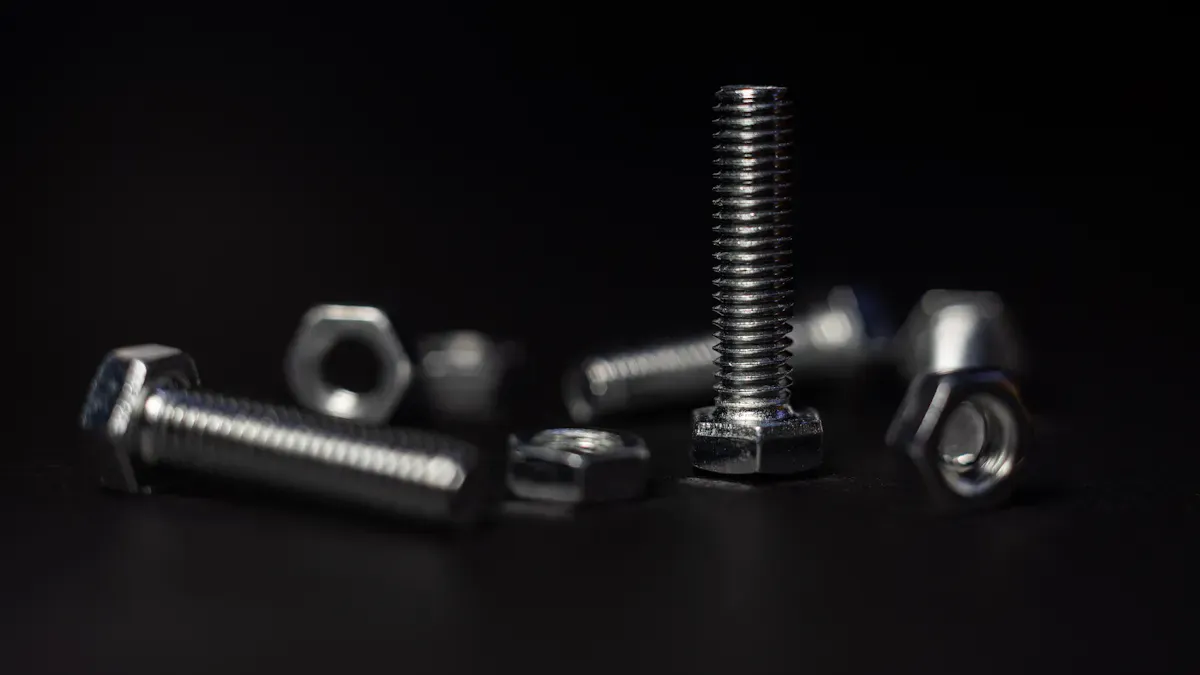
You want every bolt screw to stay strong for a long time. The best maintenance secrets are: check often, tighten with the right force, and use thread sealant. These steps help stop problems from bad installation or hidden damage.
Safety relies on good care. Engineering studies show strength loss often happens from bad hole preparation, dust, shallow embedment, and picking the wrong anchor.
You keep your fixtures safe by using these secrets. Keep reading for easy tips that help with maintenance.
Bolt Screw Maintenance Tips
Regular Inspection
You need to check bolt screws often. This keeps your fixtures safe. Checking regularly helps you find problems early. Look for wear, damage, or corrosion. This step is the base for all maintenance.
Signs Of Wear
Watch for these signs when you check:
Rust or colour changes on the head or threads
Cracks, bends, or stripped threads
Loose or moving parts in the fixture
Washers that are missing or damaged
If you see any of these, change the bolt screw at once. This stops loosening and sudden failures.
When To Check
Check fasteners at these times:
Tip: Check more often in tough places, like near the sea or in chemical plants.
Tightening Methods
Tightening the right way keeps bolt screws secure. Use the correct method to stop loosening and keep strength.
Correct Torque
Use a torque wrench to check torque and force. Look at the manufacturer's chart for the right values. Too tight or too loose can cause trouble. Tighten in small steps and check after each step.
Avoid Over-Tightening
Too much tightening can stretch or break the bolt screw. Start set screws by hand to stop cross-threading. Tighten only to the value given. If you use a bolt screw again, check for thread damage before you install it.
Using Thread Sealant
Thread sealant stops loosening from shaking and makes removal easier. Many experts recommend using thread sealant for critical applications to prevent vibration loosening and to guarantee long-term alignment with ISO international standards for structural bolt and screw performance.
Benefits For Removal
Thread sealant stops rust and corrosion from sticking the threads. You can take out the bolt screw without damage, even after years. This saves time and lowers the chance of breaking the fastener.
Application Steps
Do these steps for best results:
Clean the threads with a wire brush or solvent.
Put a small amount of thread sealant on evenly.
Start the bolt screw by hand.
Tighten to the right torque.
Note: Let the sealant dry as the product says before you put weight on the fixture.
By following these tips, your fixtures stay safe and strong. You lower the risk of failure and make repairs easier later.
Prevent And Clean Rusty Screws
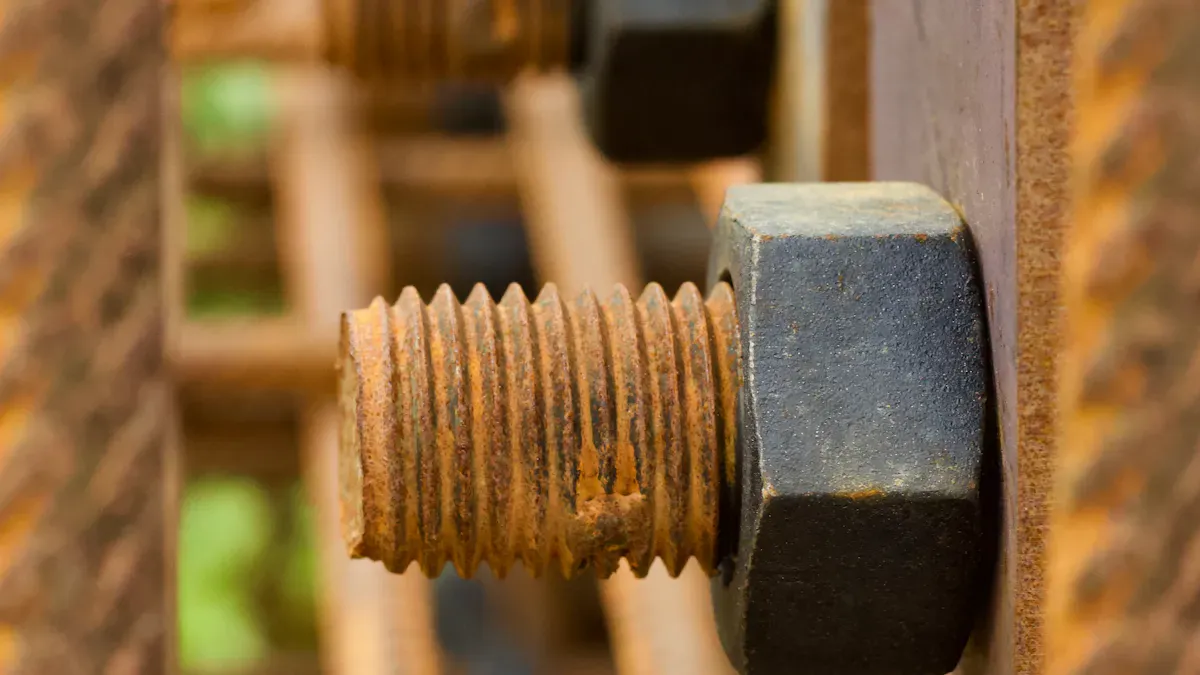
Causes Of Corrosion
Environmental Factors
Stopping bolts from rusting is not easy. Water, salt, and chemicals make rust happen faster. Outdoor places, boats, and factories are tough for metal. Coastal areas have salty air that harms screws quickly. High humidity and acid rain also make rust more likely.
Material Choice
The metal you pick is important. Stainless steel and galvanised bolts fight rust better than plain steel. But even these can rust if they touch strong chemicals or seawater. Always choose the right metal for your surroundings. In oil, gas, or chemical plants, use fasteners with special coatings for extra safety.
How To Clean Rusty Screws
Cleaning Methods
You can clean rusty screws with simple tools and safe ways. First, use a wire brush to take off loose rust. For tough rust, soak the screw in white vinegar or lemon juice for a few hours. After soaking, scrub again to get rid of any leftover rust. If a bolt is stuck, use penetrating oil and wait before turning it gently.
Safe Products To Use
Pick rust remover products that fit your job. Choose water-based gels or sprays that remove rust but do not harm the metal. Always wear gloves and eye protection when using chemicals. Ensure your cleaning agents strictly align with the latest UK GOV guidance for REACH chemical regulations to guarantee worker safety and environmental compliance. After cleaning, rinse the screw and dry it well before putting it back. Clean threads help the screw fit tightly and stop new rust.
Protective Coatings
Anti-Rust Sprays
Special rust sprays make a shield that keeps out water and air. You can use these sprays on new or cleaned screws to help them last longer. Some sprays have lubricants that make installation easier and reduce damage. For big projects, try advanced coatings like Xylan. Xylan coatings protect against salt spray for up to 3,000 hours, much longer than zinc plating, which lasts only 100 to 200 hours. This makes Xylan good for offshore, chemical, and hot places.
Lubrication Tips
Lubrication is a simple way to stop rust. Put a thin layer of anti-seize compound or light oil on threads before you install them. This stops galling and makes screws easier to remove later. Add lubricant often, especially in wet or salty places. Always clean rusty screws and threads before adding any coating or oil. This helps the protective layer stick well and last longer.
Tip: Cleaning and coating often saves money and keeps your fixtures safe for a long time.
Selection And Installation Best Practices
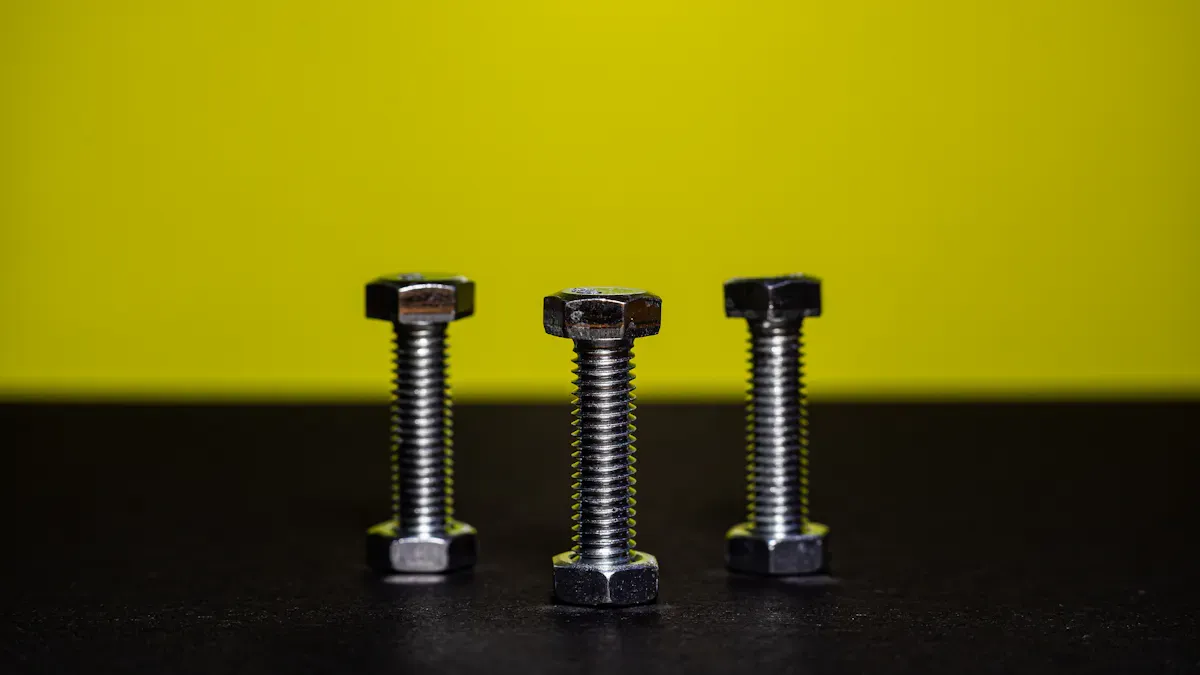
Choosing The Right Bolt Screw
Size And Type
Pick the right size and type for your job. The correct bolt screw keeps things strong and safe. Think about how deep it goes, how far from the edge, and how much weight it holds. These things help stop failures and keep bolts tight. Always check which anchor type you need. Through bolts are good for places you can reach. Anchor bolts are best for things that stay in place. If you need to take bolts out later, use ones that are easy to remove.
Application Suitability
Match the bolt screw to where and how it will be used. Outdoor jobs need bolts that do not rust. Machines need bolts that can handle shaking. Strong anchors are needed for big supports. Check if the load is steady or moves. This helps you pick the right bolt. Think about if you can reach the bolt and if it will stay there forever.
Installation Steps
Pre-Drilling
Drill a clean hole before putting in the bolt. Use the right drill bit for your bolt. Take out dust and bits before you start. This helps the bolt grip better and stops it from failing. Always check the hole is deep enough for the bolt.
Correct Angles
Put bolts in at the right angle. If you get the angle wrong, the fixture gets weak. Hold the drill straight and mark where you want to drill. For concrete or brick, use a guide to keep the angle right. This stops cracks and keeps things strong.
Tip: Start set screws by hand. This stops cross-threading and makes them go in smoothly.
Lubrication And Thread Care
Prevent Galling
Use the right grease to stop galling. Galling happens when metal threads stick together. Xylan coating makes a smooth layer, so the metal does not weld. Ceramic anti-seize grease has ceramic bits that protect threads and help you tighten bolts right. These products make bolts easy to put in and take out.
Clean Threads
Clean threads before you use them. Use a wire brush or cleaner to get rid of old grease, rust, and dirt. Check old bolts for bent or stripped threads. Damaged threads make bolts weak and more likely to fail. Clean and good threads fit tight and last longer.
Note: Engineers say you should always clean and grease reused bolts.
By following these steps, you make things safer and more reliable. You stop common problems like bolts breaking or getting stuck by picking the right bolt, making good holes, and looking after the threads.
Long Lasting Performance
You want your fixtures to last a long time and stay safe. You can do this by checking them often and fixing problems quickly. This part gives you easy steps for looking after your fixtures, finding problems, and staying safe.
Routine Maintenance
Cleaning Schedule
Bolts and screws stay strong if you clean them often. Dirt, oil, and grime can hide damage you might not see. Wipe fasteners every few months to keep them clean. Clean more often if they are outside or used a lot, especially after storms or heavy work. Use a soft brush and gentle cleaner so you do not damage the coating.
Take dirt and bits off the threads.
Dry bolts and screws after cleaning to stop rust.
Spray or oil them again if needed.
Cleaning often helps you find problems before they get worse.
Inspection Frequency
Check your fixtures on a regular plan. This helps stop sudden breaks at home or work. Looking after things often means fewer problems with heating, plumbing, and fire safety. Inspections also help you follow safety rules and keep things working well.
Look at outdoor and busy fixtures every three months.
Check machines and vehicles two times a year.
Look at supports at least once a year.
Change how often you check if you work in tough places or see early damage.
Troubleshooting Issues
Loose Or Stuck Screws
Sometimes screws get loose or stuck. Screws can loosen from shaking or not being tight enough. Tighten them to the right strength, not just by feel. If a screw will not move, use oil that helps loosen it and wait before trying again. Do not force a stuck screw or you might break it or hurt the threads.
If screws keep coming loose, use thread sealant or a locking washer.
Change screws that still will not stay tight.
When To Replace
Change bolts and screws if you see rust, cracks, or stripped threads. Do not use fasteners again if they are bent or damaged. If the same spot keeps having problems, check for things like bad fit or too much weight. Always use new fasteners for important jobs.
Safety Checks
Warning Signs
Watch for signs that show a fixture is not safe. Look for moving joints, strange sounds, or gaps you can see. If you see water marks or rust near fasteners, check more closely. These signs can mean there is hidden damage.
Do not ignore small changes. Fixing things early stops bigger problems.
Secure Fixtures
Make sure all fixtures are tight and lined up right. Test railings, shelves, and supports by pressing gently. If anything moves or feels loose, tighten or change the fastener. Write down your checks in a log so you remember what you have done.
If you follow these steps, your fixtures last longer and are less likely to break without warning. Checking and looking after things keeps them safe and working for many years.
You have learned three main secrets. Check bolts and screws often. Tighten them with the right amount of force. Use thread sealant to help keep things safe. These steps make your fixtures strong in any place. Looking after bolts and screws saves you money. It stops expensive repairs and keeps things cleaner.
Make checking bolts and screws something you do all the time. Start now because your safety depends on it.
FAQ
How often should you inspect bolts and screws?
Check bolts and screws outside every three months. For machines, check every six months. Look at structural supports once a year. Check more often if the place is harsh or after heavy use.
What is the best way to clean rusty screws?
Use a wire brush to remove loose rust. Soak tough screws in white vinegar or lemon juice. Rinse and dry them well. Spray anti-rust after cleaning. Always wear gloves and eye protection.
Why does over-tightening weaken bolts?
Over-tightening stretches or cracks the bolt. This can damage threads and cause sudden failure. Use a torque wrench and follow what the manufacturer says. Experts say tighten in small steps to stay safe.
Which thread sealant should you use?
Pick a thread sealant the manufacturer recommends. Choose products with clear drying instructions and corrosion resistance. British Standards Institution says use sealant for important fixtures.
How do you prevent galling during installation?
Put ceramic anti-seize grease on or use bolts with Xylan coating. These products lower friction and protect threads. Clean threads before installing for best results.
When must you replace a bolt or screw?
Replace bolts or screws if you see rust, cracks, bent shafts, or stripped threads. Never use damaged fasteners again. Safety experts say new fasteners are needed for structural jobs.
What materials resist corrosion best?
Stainless steel and galvanised bolts resist corrosion better than plain steel. For chemical or coastal places, use fasteners with advanced coatings like Xylan or electroless nickel.
How can you ensure correct installation angle?
Mark where you want to drill and use a guide for accuracy. Hold the drill straight. Wrong angles make the fixture weak and increase the risk of failure.
Get Quote
Welcome To Know Our Products
Get Product and Service Information
Follow us
We provide OEM service and focus on stable quality, competitive pricing and responsive export support.


Contact Info
Add:Dongmingyang Industrial Park, Mingguan Town, Yongnian District, Handan City, Hebei Province China
Export salesman:
WhatsApp:+86 18830064300
E-mail: sales@hgtfix.com
Export salesman:
WhatsApp
+86 18830064300
E-mail:
Copyright © 2022 HEBEI YONGYI FASTENERS MANUFACTURING CO.,LTD Power by 300.cn | SEO