Welcome to Yongyi Fasteners, Your Reliable Fastener Supply Partner!

-
ProductsWe supply flat washers, spring washers, drop-in anchors, anchor bolts, hex nuts, hex bolts, sleeve anchors, threaded rods and OEM fastener products to DIN, BS, ANSI and MS standards.

-
About usHEBEI YONGYI FASTENERS MANUFACTURING CO.,LTD is located in China's largest fasteners production base Yongnian fasteners centre.
-
NewsHebei Yongyi Fasteners shares company updates, product knowledge and fastener industry news for global buyers.
-
ServiceThe products sold throughout the domestic and exported to Southeast Asia and Europe and other countries and regions. Our products win good reputation with domestic and foreign customers.



YONGYI FASTENERS
Support stable quality from material selection, processing and inspection to final delivery.
FOCUS ON HOT SPOTS


Bolts Wheels or Studs Which Secures Better
Published:
2026-05-21
Author:
YONGYI FASTENERS
Bolts wheels or studs? Compare security, durability, and ease of use to see which fastener keeps your wheels safer and fits your driving needs best.
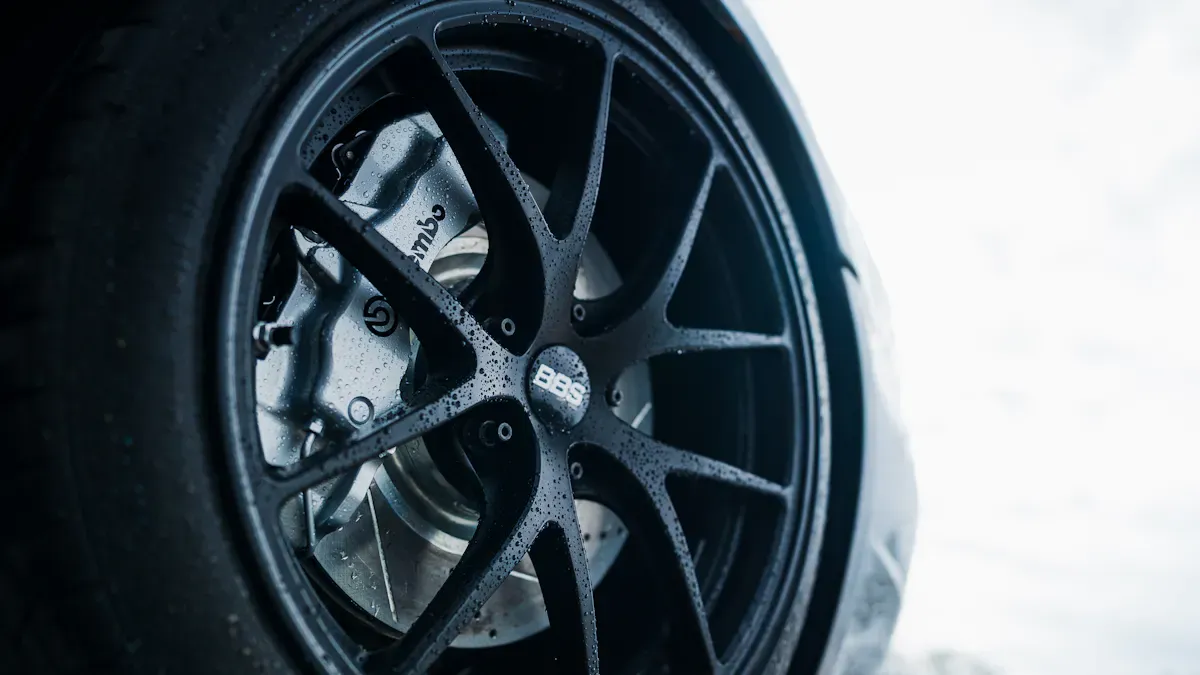
You want your wheels to stay safe all the time. Most experts say studs keep wheels safer than bolts wheels. Studs can handle more stress and make wheel changes simpler. Bolts wheels can be hard to line up right. Studs are easier to use. You should pick what fits your driving and how you care for your car. Also, think about your vehicle type. Always choose what works best for you and follow what your car maker says.
Key Takeaways
Wheel studs provide better security than bolts wheels. They handle stress well and protect hub threads.
Installing wheel studs is easier. You can slide the wheel onto the studs, making alignment simple.
Bolts wheels can wear out faster. About 65% of wheel separations are due to issues with bolts.
Regular maintenance is key. Check your wheel fasteners often to catch wear or damage early.
For off-road or racing, choose wheel studs. They offer better grip and quick tire changes.
Consider switching to wheel studs for easier repairs. You can replace a single stud without changing the whole hub.
Always follow your vehicle's manual. It helps you choose the best system for your car.
If you change tires often, wheel studs and lug nuts save time and reduce frustration.
Security Comparison
Bolts Wheels Security
Bolt Design
Bolts wheels use bolts that screw into the wheel hub. These bolts hold the wheel tight against the hub. Each bolt has threads and a head that fits in the wheel holes. The bolt goes through the wheel and screws into the hub. This makes a strong grip to keep the wheel in place.
You must line up the bolts with the hub holes. If you do not, you can damage the threads or make the bolts uneven. This weakens how well the wheel stays on. Bolts usually touch less of the wheel than lug nuts do. This can change how the wheel’s weight spreads out.
Hub Connection
The hub has holes with threads for the bolts. The hub threads take all the weight and bumps from the road. If you keep tightening and loosening the bolts, the threads can wear out. Worn threads can make the wheel come loose.
About 65% of wheels that fall off have problems with bolts wheels. This means bolts wheels can fail more often in some cases. The hub threads can strip or get weak if you tighten too much or use bad bolts.
Studs Security
Stud and Lug Nut Mechanism
Wheel studs are rods that stay in the hub. You put the wheel on the studs and use lug nuts to hold it. The studs do not use the hub threads, so they last longer.
Lug nuts screw onto the studs and hold the wheel tight. The studs stay in place, so you do not hurt the hub threads when you change wheels. The studs also help you line up the wheel.
Stress Handling
Wheel studs handle stress better than bolts wheels. Good lug nuts made from strong steel keep the wheel tight, even in racing or rough driving. Forged studs do not crack or bend as easily as cast bolts.
Lug nuts are made to spread the force evenly on the wheel. This helps stop shaking and early wear. Studs and lug nuts also fight off mud, water, salt, and heat better than bolts wheels. They stay strong for a long time.
Stress Reliability
Wheel studs work better than bolts wheels for handling stress. People who race or drive off-road like studs and lug nuts. They give steady grip and do not get weak after many uses.
The main difference is how they spread weight and wear out. Studs keep the hub threads safe and are easier to fix. Bolts wheels put all the stress on the hub threads, which can wear out fast and break.
Here is a simple chart to compare how they handle stress and fail:
For more facts and expert advice, check the SAE International website. They have guides about wheel fastener safety and design.
Tip: If you drive in tough places or race, use wheel studs with good lug nuts for better safety. For normal driving, bolts wheels can work but need careful care.
Installation & Convenience

Bolts Wheels Installation
Alignment Issues
When you install bolts wheels, you often face alignment problems. You must hold the wheel in place and line up each hole with the wheel hub. This process can feel tricky, especially if you work alone. If you do not align the wheel bolts perfectly, you risk cross-threading or damaging the threads. This can make future wheel installation harder and may weaken the grip.
Tools Required
You need a socket wrench and sometimes a breaker bar for wheel bolts. Some cars require a special key for locking bolts. If you use too much oil on the bolts, your tools might slip, making the job harder. Rounded lug nuts can also slow you down and may need extractor sockets. These extra steps can make bolts wheels less user-friendly for quick changes.
Studs Installation
Wheel Alignment
Wheel studs make wheel installation much easier. You slide the wheel onto the lug studs, and they hold the wheel in place while you add the lug nuts. This design helps you avoid dropping the wheel or struggling with alignment. You do not need to balance the wheel while searching for the right position. The lug studs guide the wheel directly onto the hub.
Speed & Simplicity
You will notice the speed and ease of use with wheel studs. You only need to spin on the lug nuts and tighten them. Most mechanics prefer this system for fast tire changes. Damaged threads on wheel studs can cause problems, but you can replace a single stud without changing the whole hub. This makes repairs simpler and less costly.
User Experience
You will find key differences in user experience between these systems. With wheel bolts, you may spend more time lining up the wheel and dealing with stubborn bolts. Wheel studs and lug nuts offer a smoother process. You can change tires faster, which matters if you switch between summer and winter tires or if you drive in motorsports.
Common installation challenges include:
Rounded lug nuts that are hard to remove or tighten.
Excessive oil causing extractor sockets to slip.
Damaged threads on lug studs leading to shearing under load.
If you want the best ease of use, wheel studs and lug nuts provide a clear advantage. You get faster wheel installation and fewer alignment headaches. Many car owners convert from wheel bolts to lug studs for this reason. You should always check your vehicle’s manual before making changes, but for most users, lug studs and lug nuts make wheel installation much simpler.
Tip: If you change your own tires often, consider switching to wheel studs and lug nuts for better speed and convenience.
Maintenance & Durability

Bolts Wheels Issues
Thread Wear
You need to watch for thread wear when using wheel bolts. Every time you remove or install wheel bolts, the threads in the hub can wear down. If you notice a bolt sliding more than four threads, you should replace it. Worn threads can make the wheel loose and unsafe. Regular checks help you spot problems early. Cleaning and oiling wheel bolts also help prevent rust and keep the threads working well.
Corrosion Risks
Corrosion can damage wheel bolts, especially if you drive in areas with road salt or harsh weather. Calcium- and magnesium chloride salts cause more corrosion than traditional rock salt. Rust can weaken the bolts and make them hard to remove. You should clean and oil your wheel bolts to fight rust. Truck operators often see more corrosion at the wheel ends. If you see rust or pitting, replace the bolts right away.
Tip: Always check your wheel bolts after winter or off-road driving. Quick action can stop bigger problems.
Studs Issues
Stud Breakage
Wheel studs give you strong and steady support, but they can break if you over-tighten lug nuts or use poor-quality parts. Broken lug studs make the wheel unsafe. You should use a torque wrench to tighten lug nuts to the right level. If a stud breaks, you can replace just that one without changing the whole hub. This makes repairs easier and cheaper.
Lug Nut Wear
Lug nuts hold the wheel tight on the lug studs. Over time, lug nuts can wear out, especially if you use the wrong size or over-tighten them. Worn lug nuts may not grip the lug studs well. You should check lug nuts for rounded edges or stripped threads. Replace them if you see damage. Good maintenance keeps your wheel studs and lug nuts working longer.
Long-Term Reliability
Wheel studs and lug nuts often last longer than wheel bolts. They spread stress better and protect the hub threads. You can replace single lug studs or lug nuts without much trouble. Wheel bolts put all the stress on the hub threads, so you may need to replace the whole hub if threads wear out. Regular cleaning and using quality materials help both systems last longer.
Here is a chart showing how often you might need to replace parts:
You can find more safety tips and maintenance guidelines at the National Highway Traffic Safety Administration.
Note: If you drive in tough conditions or change wheels often, check your wheel studs, lug studs, and lug nuts more often. Quick checks and good care keep your wheels safe and secure.
Vehicle Suitability
Daily Drivers
You want a system that makes your daily routine easy and safe. Most daily drivers use their cars for work, errands, or family trips. You need a setup that lets you change tires without stress. Wheel studs help you line up the wheel quickly. You slide the wheel onto the lug studs, and the wheel stays in place while you add the lug nuts. This makes tire changes faster and less frustrating. Lug nuts are easy to tighten and check. If you drive in areas with snow or rain, you want parts that resist rust. Wheel studs and lug nuts handle these conditions well. You can replace a single lug stud or lug nut if it wears out, so you save time and money on repairs.
Performance & Off-Road
If you push your vehicle hard, you need strong parts that can handle extra force. Performance cars and off-road trucks face more bumps, turns, and stress. Wheel studs give you better grip and hold under pressure. Lug nuts spread the force across the wheel, so you get less vibration and more control. Many racers and off-road drivers choose wheel studs because they last longer and make quick tire swaps possible. Lug studs do not damage the hub threads, even after many changes. You can trust this system when you need top performance or drive on rough ground. If a lug stud breaks, you can fix just that part and get back on the road fast.
Manufacturer Preferences
Car makers pick the system that fits their design goals. Many European brands use bolts for their wheels. This choice can make the hub lighter, but it may cause more thread wear over time. Most trucks and American cars use wheel studs and lug nuts. This setup makes repairs and tire changes easier. Some drivers switch from bolts to wheel studs for better reliability. You should check your car manual before making changes. If you want to convert, you can find kits that let you use wheel studs and lug nuts on cars that came with bolts. This gives you more options for upgrades and repairs.
Tip: Think about how you use your car every day. If you want easy tire changes and strong parts, wheel studs and lug nuts offer clear benefits for most drivers.
Pros & Cons Table
Quick Reference
You want a fast way to compare bolts wheels and wheel studs. The table below gives you a clear look at the main pros and cons for each system. Use this as a guide when you decide which fits your needs best.
Tip: If you want quick tire changes and less hassle, wheel studs and lug nuts give you an edge.You can refer to the Engineering Toolbox washer selection guide for detailed technical advice on managing vibration and load distribution.
Bolts Wheels: Pros & Cons
Pros:
Lighter hub design
Fewer loose parts during installation
Common on some vehicles
Cons:
Harder to line up wheels
Threads in hub wear out faster
Costly repairs if threads strip
Slower tire changes
Wheel Studs & Lug Nuts: Pros & Cons
Pros:
Easy wheel alignment
Faster tire swaps
Replace single studs or nuts
Handles stress from racing or off-road use
Better for frequent wheel changes
Cons:
More parts to keep track of
Studs can break if over-tightened
Lug nuts may round off with wear
Note: You should check your wheels and fasteners often. Early checks help you spot wear or damage before it becomes a problem.
Quick Checklist for Choosing:
Do you change tires often?
✅ Choose wheel studs and lug nuts.
Do you want simple repairs?
✅ Studs and nuts make fixes easier.
Do you drive in tough conditions?
✅ Studs handle stress and corrosion better.
Do you have a car with bolts wheels already?
✅ Follow your manual, but consider conversion if you want easier maintenance.
You now have a clear, side-by-side look at both systems. Use this table and checklist to match your driving style and needs.
You now know that wheel studs and lug nuts usually give you better security and make tire changes easier than bolts wheels. For daily driving, wheel studs help you save time and avoid frustration. If you drive off-road or need fast tire swaps, studs work best. Bolts wheels can fit some cars, but you may face more wear.
Think about your driving style and needs.
If you want easier repairs, consider switching to studs.
Tip: Always check your car’s manual and share your experience with other drivers.
FAQ
What makes wheel studs more secure than bolts wheels?
Wheel studs let you slide the wheel onto fixed posts. You then tighten lug nuts for a strong hold. This setup spreads stress better and protects hub threads. You get a safer, longer-lasting connection.
Can I switch from bolts wheels to wheel studs on my car?
Yes, you can convert most vehicles. You need a conversion kit and basic tools. Always check your car manual first. If you drive often or change tires yourself, this upgrade can save time and effort.
How often should I check my wheel fasteners?
You should check your wheel bolts, studs, and lug nuts every oil change or before long trips. Look for rust, wear, or loose parts. Quick checks help you catch problems early and keep your wheels safe.
Do wheel studs work better for off-road or racing?
Yes! Wheel studs handle bumps, jumps, and quick tire changes better. You get stronger grip and less risk of thread damage. Many racers and off-road drivers trust wheel studs for these reasons.
What tools do I need for wheel bolt or stud maintenance?
You need a socket wrench, torque wrench, and sometimes a breaker bar. For stubborn or damaged parts, use extractor sockets. Always use the right size tools to avoid rounding or stripping fasteners.
Are wheel bolts lighter than wheel studs?
Wheel bolts can make the hub lighter. Some car makers use them for this reason. However, you may face more thread wear and harder tire changes. Weigh the pros and cons for your needs.
What should I do if a lug nut or stud breaks?
Replace the broken part right away. You can swap out a single lug nut or stud without changing the whole hub. This quick fix keeps your wheel secure and saves money.
Why do some cars use bolts wheels instead of studs?
Some manufacturers choose bolts wheels for design or weight reasons. You may find them on certain European cars. Always follow your car’s manual for the best safety and fit.
Get Quote
Welcome To Know Our Products
Get Product and Service Information
Follow us
We provide OEM service and focus on stable quality, competitive pricing and responsive export support.


Contact Info
Add:Dongmingyang Industrial Park, Mingguan Town, Yongnian District, Handan City, Hebei Province China
Export salesman:
WhatsApp:+86 18830064300
E-mail: sales@hgtfix.com
Export salesman:
WhatsApp
+86 18830064300
E-mail:
Copyright © 2022 HEBEI YONGYI FASTENERS MANUFACTURING CO.,LTD Power by 300.cn | SEO