Welcome to Yongyi Fasteners, Your Reliable Fastener Supply Partner!

-
ProductsWe supply flat washers, spring washers, drop-in anchors, anchor bolts, hex nuts, hex bolts, sleeve anchors, threaded rods and OEM fastener products to DIN, BS, ANSI and MS standards.

-
About usHEBEI YONGYI FASTENERS MANUFACTURING CO.,LTD is located in China's largest fasteners production base Yongnian fasteners centre.
-
NewsHebei Yongyi Fasteners shares company updates, product knowledge and fastener industry news for global buyers.
-
ServiceThe products sold throughout the domestic and exported to Southeast Asia and Europe and other countries and regions. Our products win good reputation with domestic and foreign customers.



YONGYI FASTENERS
Support stable quality from material selection, processing and inspection to final delivery.
FOCUS ON HOT SPOTS


How to Choose the Right Wire Rope Clamps for Your Project
Published:
2026-05-19
Author:
YONGYI FASTENERS
Select wire rope clamps by matching clamp type, size, and material to your rope and load for safe, secure connections in any project environment.
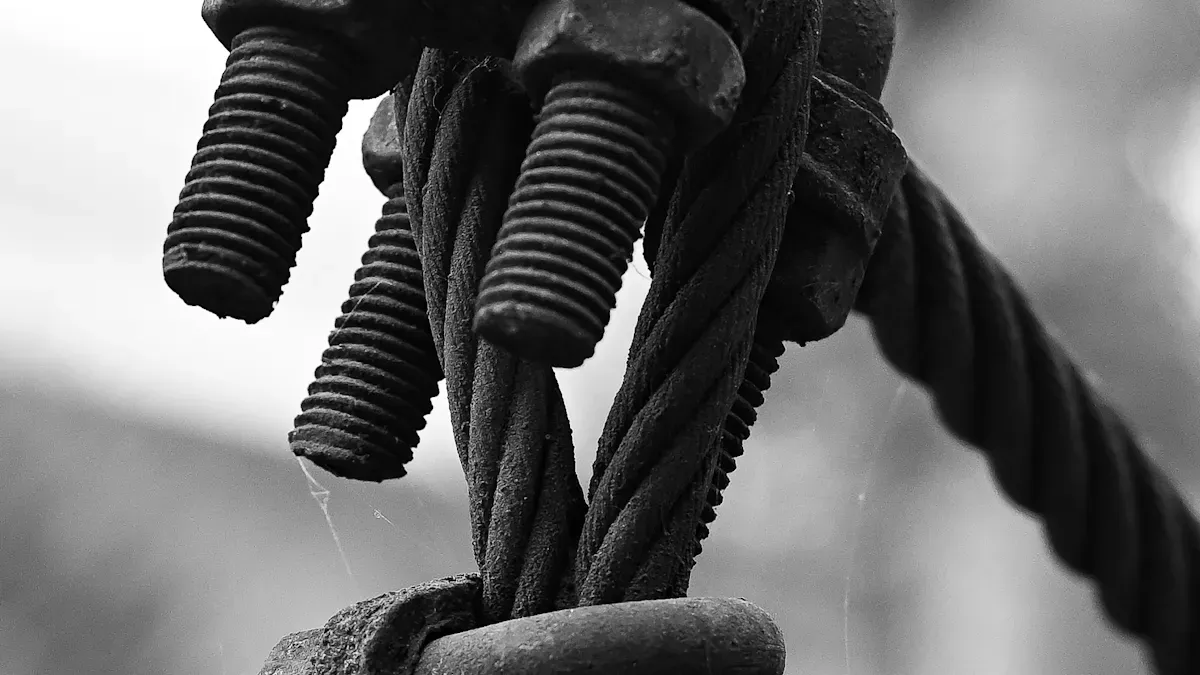
You need to pick the right wire rope clamp. Match the clamp’s type and size to your wire rope. Think about how much weight it will hold. Also, think about what you will use it for. Safety is the most important thing. If you pick the wrong clamp or put it on wrong, accidents can happen. Many building and factory jobs use wire rope clamps. People use them for things like making quick connections. They also use them to hold back hand ropes. Clamps can fix rope ends to poles. These clamps work with different wire ropes. They work with phosphating coated, galvanized, stainless steel, and smooth steel wire rope.
73% of lifting accidents happen because of rope wear, rust, or using wire rope clamps the wrong way. Always look for certifications like ISO 9001, ASME B30.26, and EN 13411. These make things safer.
You can make things safer and more reliable. Just pick the right wire rope clamp for each job.
Key Takeaways
Pick the wire rope clamp that fits your wire rope.
Make sure the clamp can hold the weight you need.
Check for certifications like ISO 9001 and ASME B30.26.
These show the clamps are safe to use.
Look at your wire rope clamps often for damage or rust.
This helps keep everything safe.
Use a clip and thimble together to protect the rope.
This also makes the clamp hold better.
Follow the instructions from the maker when you install.
This stops mistakes that could cause the clamp to fail.
Put each clamp at least six times the rope’s width apart.
This helps spread the weight evenly.
Pick clamps made from stainless steel or galvanized metal.
These work well outside and stop rust.
Wire Rope Clamps Overview
What Are Wire Rope Clamps
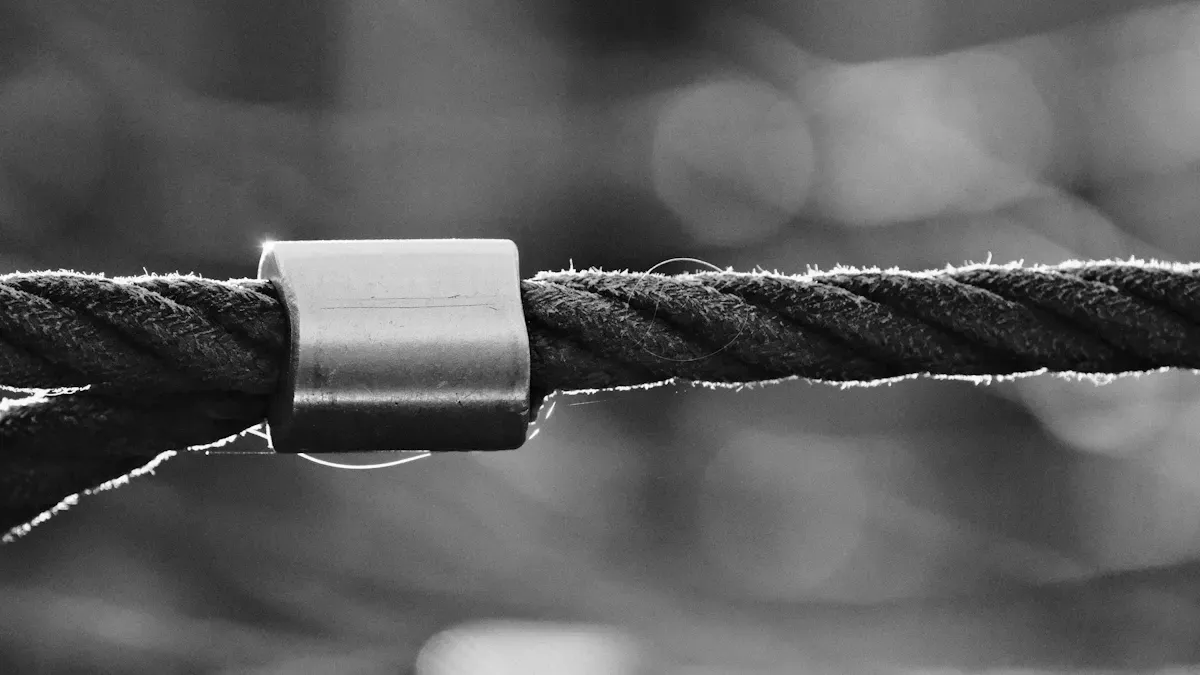
You use wire rope clamps to secure the ends of a wire rope. Each clamp has a U-bolt, a saddle, and two nuts. When you tighten the nuts, the clamp grips the rope. This grip holds the rope in place and prevents it from slipping. You often use a clip and thimble together. The thimble protects the rope’s eye from wear. The clip keeps the rope tight around the thimble. You need several clips to make a strong connection. The number of clips depends on the rope’s diameter and the load.
There are different types of wire rope clamps. Each type works best for certain jobs. Some clamps have a double saddle. Others use a fist grip design. You can also find specialty clamps for unique needs. Stainless steel wire rope clamps resist rust and work well outdoors. You should always use the right clip and thimble for your project.
Main Uses
You will find wire rope clamps in many industries. People use them to make temporary or permanent connections. Here are some common uses:
Telecommunications: You use a clip and thimble to secure guy wires on towers.
Marine rigging: You attach standing rigging on sailing vessels with a clip.
Utility and power: You fix pole guy assemblies with a clip and thimble.
Outdoor events and tents: You use a clip to hold ridge-lines and pole stays.
Construction cranes and hoists: You secure temporary tiebacks with a clip.
Civil and bridge work: You install safety lines with a clip and thimble for maintenance.
Tip: Always check the number of clips needed for your wire rope. Using too few clips can lead to failure.
Compatible Rope Types
Wire rope clamps work with many kinds of wire rope. You need to match the clamp to the rope’s material and size. The table below shows which clamps fit different ropes and what you should consider:
Parallel jaw clamps work best for insulated or rubber-coated cables. They spread pressure evenly and protect the cable. Cam jaw clamps do not protect sensitive cables as well. Always use the right clip and thimble for your rope type.
You can use wire rope clamps with phosphating coated, galvanized, stainless steel, and smooth steel wire rope. Stainless steel wire rope clamps give you extra corrosion resistance. You should always check the rope and clamp for damage before use. This keeps your project safe and reliable.
Project Requirements
Identify Rope Diameter & Type
First, measure your wire rope’s diameter. The diameter tells you which wire rope clamps to use. Each clamp fits only certain sizes. If you pick a clamp that is too small, it will not hold the weight. This can make the connection fail. The number of clamps you need depends on the rope’s diameter. Bigger ropes need more clamps to spread the force and keep the rope strong. Always check what type of rope you have, like galvanized, stainless steel, or smooth steel. The rope’s material changes how strong it is and how it handles weather. Match the clamp to both the rope’s diameter and type for the best strength and safety.
Assess Load Capacity & Safety Factor
You need to know how much weight your project will carry. The working load is the most weight the wire rope and clamps can safely hold. Never use a clamp or rope close to its breaking point. Always add a safety margin. Experts say you should use a safety factor of at least 5:1. This means the rope and clamps must hold five times more than the expected weight. The table below shows important points for picking the right safety factor and load capacity:
Always follow the instructions from the manufacturer for load and rope ends. This keeps your rope strong and safe. If you use the wrong number of clamps or the wrong size, the rope end can slip when pulled. This can cause dangerous problems.
Consider Environment & Corrosion
Material Grades
Think about where you will use the wire rope clamps. If you work outside or in wet places, pick clamps made from stainless steel or galvanized steel. These materials fight rust and stay strong for a long time. The right material grade keeps the rope and clamps safe from corrosion. This helps the rope and clamps stay strong during your project.
Weather & Temperature
Weather and temperature can change how strong your wire rope is. Cold weather can make some materials break easily. Hot weather can make the rope weaker. Pick clamps and ropes that fit the weather at your project site. Always check the breaking strength for both the rope and clamps in the temperatures you expect. This helps keep your rope ends safe and strong, even when the weather changes.
Tip: Always check your wire rope and clamps before you use them. Look for signs of wear, rust, or damage. This easy step helps keep your load safe and your rope ends strong.
Types of Wire Rope Clamps
U-Bolt Clamps
You will see U-bolt clamps used in many projects. These clamps have a U-shaped bolt, a saddle, and two nuts. You place the wire rope in the clamp, then tighten the nuts to hold the rope. This type of clip works well for general lifting, rigging, and securing loads. You should use a clip and thimble together to protect the rope’s eye and keep the connection strong. U-bolt clamps give you good holding strength, but you must install them the right way. Always put the saddle on the live end of the wire rope. The U-bolt goes on the dead end. This method keeps the load safe and prevents crushing the main rope. You need to use the right number of clips for your rope’s diameter. If you use too few, the holding strength drops and the termination can fail. U-bolt clamps come in malleable galvanized clamps and drop forged galvanized clamps. Malleable galvanized clamps work for light-duty jobs. Drop forged galvanized clamps give you higher strength for heavy loads and critical applications.
Tip: Always check the working load and rated breaking strength before you choose a U-bolt clamp. This keeps your project safe.
Double Saddle Clamps
Double saddle clamps, sometimes called fist grip clips, have two identical saddles. You place the wire rope between the saddles and tighten both sides. This design gives you a uniform grip and reduces the risk of crushing the rope. You do not have to worry about putting the clamp on backward. The symmetrical shape makes installation easy and safe. Double saddle clamps spread the load evenly across the rope. This helps keep the holding strength high and protects the rope’s core. You should use a clip and thimble with these clamps for the best termination. Double saddle clamps work well for applications where you need to avoid rope damage and want extra safety. You can use them for overhead lifting, tensioning, and securing guy wires. These clamps handle high tension and heavy loads without slipping. You get reliable holding strength and a secure termination every time.
Fist Grip Clamps
Fist grip clamps look different from U-bolt clamps. They use two bolts and two saddles that press against the wire rope from both sides. You get a strong, even grip that holds the rope tightly. Fist grip clips are easy to install. You do not need to worry about which side faces the load. This makes them a good choice for quick jobs and field repairs. You should use a clip and thimble to protect the rope and keep the termination strong. Fist grip clamps give you high holding strength and work well for heavy-duty applications. You can use them for lifting, pulling, and securing loads under tension. These clamps keep the wire rope safe and help you reach the rated breaking strength. Always check the number of clips needed for your rope size. Using the right amount keeps the load secure and the termination safe.
Note: Always inspect your clip and thimble assemblies before each use. Look for signs of wear or damage to keep your load and team safe.
Specialty Clamps
Sometimes, you need more than regular clamps for your project. Specialty wire rope clamps help with tricky jobs. These clamps give you extra grip and safety. They work well with heavy loads and tough cables. You can use them in hard places.
Here is a table that shows different specialty clamps and what they do:
You can use specialty clamps in many ways:
Wire Rope Come Along: Use this to pull and install cables. Parallel jaw clamps and cam jaw grippers help you hold cables tight.
Jaw Wire Cable Puller Gripper: Pick this for a strong hold and smooth pull. It works with many cable sizes and loads.
Wire Rope Grip Puller: Use this for heavy-duty tensioning in big projects. It keeps cables tight and safe.
Come Along Clamp: This clamp is good for overhead lines and big cable jobs. It works well under stress.
Wire Grips: These grips work with copper, aluminum, and steel ropes. They handle tough loads and keep cables safe.
Heavy Duty Wire Rope Pulling Tool: Choose this for jobs that need strong and reliable pulling.
Steel Jaw Cable Puller: This puller fits many wire sizes. You can use it for different loads.
Jaw Cable Gripper: Made from strong alloy steel, this gripper works with many wire types and tensions.
Steel Wire Rope Gripper: This gripper gives you extra strength and lasts longer for hard jobs.
Tip: Always pick the right specialty clamp for your cable and project. Many specialty clamps use alloy steel. This makes them stronger and last longer, even in rough places.
Specialty clamps help you do jobs that regular clamps cannot. You can use them for power lines, telecom cables, bridges, or lifting in factories. These clamps give you more control and safety for hard jobs. Always check the clamp’s load rating and make sure it fits your cable. This keeps your project safe and working well.
Clamp Selection Criteria
Termination Efficiency
You want your wire rope connection to hold as much load as possible. Termination efficiency tells you how much of the rope’s original strength stays after you install a clip or other end fitting. If you use the wrong clip or install it the wrong way, you lose strength. This can lead to dangerous failures.
The table below shows how different termination methods compare. You can see that some methods keep more of the rope’s strength than others.
A hydraulic press crimp gives you almost all the original strength. A U-bolt rope clip keeps about 55–65% of the rope’s rated breaking strength. You must use the right number of clips and a clip and thimble to get the best holding strength. Always check the working load and make sure your termination matches your project’s needs. If you need more information, you can read about wire rope terminations on Wikipedia.
Tip: Use a clip and thimble together to protect the rope’s eye and keep the holding strength high. This helps you reach the best termination efficiency for your load.
Installation & Buildability
You need a clamp that you can install quickly and correctly. Some clips take more time and skill to put on. U-bolt clips need you to place the saddle on the live end and the U-bolt on the dead end. If you mix this up, you lose holding strength and risk failure. Fist grip clips and double saddle clamps are easier to install. You do not have to worry about which side faces the load. This makes them a good choice when you need fast, safe work.
You should always use the right number of clips for your wire rope diameter. If you use too few, the termination will not hold the load. Always use a clip and thimble to keep the rope from bending too much and losing strength. For projects with high tension or heavy loads, pick a clamp that spreads the force evenly. This keeps the rope strong and helps you reach the rated breaking strength.
Note: Always follow the clamp maker’s instructions for installation. This keeps your load safe and your wire rope clamps working as they should.
Cost & Availability
You want a clamp that fits your budget and is easy to find. U-bolt clips cost less than most other types. You can find them in many hardware stores and supply shops. Fist grip clips and double saddle clamps cost more, but they give you better holding strength and easier installation. Specialty clamps cost the most, but you need them for special jobs with high tension or unique cables.
Think about how many clips you need for each termination. More clips mean higher cost, but you get better safety and strength. Always check if the clamp you want is available in the size and material you need. Stainless steel clips cost more, but they last longer in wet or outdoor places.
The chart below helps you compare cost, holding strength, and ease of installation for common clamp types:
Tip: Never choose a clamp based only on price. Always match the clamp’s holding strength and termination efficiency to your load and working conditions.
Inspection & Maintenance
You need to inspect your wire rope clamps before every use. Look for signs of wear, rust, or deformation. If you see any cracks or bent parts, replace the clamp right away. Dirt and debris can build up on the threads and saddle. Clean these areas to keep the clamp working well.
Follow these steps for regular maintenance:
Check the nuts for tightness. Loose nuts can cause the rope to slip.
Examine the saddle and U-bolt for wear or sharp edges.
Look for corrosion, especially if you use the clamp outdoors or near water.
Clean the clamp with a wire brush or cloth.
Lubricate the threads if needed to prevent rust.
Tip: Set a schedule for inspections. For heavy use, check your clamps every week. For lighter jobs, inspect them at least once a month. Always record your inspections in a logbook. This habit helps you spot problems early and keeps your project safe.
Fatigue Life & Durability
Fatigue life tells you how long your clamp will last under repeated loading and unloading. Durability means the clamp can handle tough conditions without breaking down. The design of the clamp and the number of clips you use both affect these factors.
You get better fatigue life when you use a clip-and-thimble mechanism. This design spreads the force across the rope and reduces crushing. If you use two clips, you reach about 80% efficiency. Adding a third clip does not add much holding strength, but it does help distribute the load better. For permanent jobs, use three clips. This setup gives you the highest cycle life and keeps your rope strong under vibration and movement.
Here is a table that compares different clamp setups:
You should always match the clamp design to your project’s needs. For jobs with lots of movement or vibration, pick a setup that gives you high fatigue life. This choice helps you avoid early failure and keeps your work safe.
Supplier Reliability
You need to trust your supplier when you buy wire rope clamps. Reliable suppliers test their products and follow strict quality standards. Look for suppliers who provide certifications like ISO 9001 or EN 13411. These certifications show that the clamps meet safety and performance rules.
Ask your supplier about their testing process. Good suppliers test clamps for load capacity, corrosion resistance, and durability. They should give you clear instructions for installation and maintenance. If you have questions, a reliable supplier will answer quickly and help you choose the right clamp for your job.
Note: Always keep records of your purchases and certifications. This practice helps you track the source of your clamps and proves you use safe, high-quality products on your projects.
Wire Rope Clamps Comparison
Comparison Table by Type & Application
Picking the right wire rope clamp can be hard. You need to find a clamp that fits your project. The table below shows the most common clamp types. It helps you see how each clamp works in different jobs. You can check how strong, costly, and easy to inspect each clamp is.
Tip: Fist grip clamps and double saddle clamps are simple to use. You do not have to worry about which side faces the load. These clamps also hold heavy loads better.
How to Use the Comparison Table
This table helps you pick the best clamp for your job. First, look at what you need the clamp to do. If you need a clamp for lifting or rigging, a U-bolt clamp is a good choice and costs less. For building or marine jobs, fist grip clamps hold more weight and you need fewer of them. Double saddle clamps are good if you want extra safety and easy setup, especially for big loads or lots of shaking.
Specialty clamps are for special jobs, like pulling power lines or working with unique cables. These clamps use strong materials and special designs. Always check the termination efficiency. Higher efficiency means your rope stays strong. You should also think about how often you need to check the clamp. Some clamps need more checks to stay safe.
If you want to learn more about wire rope clamp rules, you can visit OSHA’s Rigging Equipment Guidelines (29 CFR 1926.251).
🛠️ Note: You can make your own chart or picture for your team. This helps everyone pick the right clamp fast and safely.
By using this table, you make better choices for your project. You help keep your team safe and your work strong.
Choose the Right Wire Rope Clamp: Installation & Safety
Proper Installation Steps
You need to follow the right steps for installing wire rope clamps. Good installation keeps your load secure and helps you reach the rated breaking strength. If you skip steps or use the wrong method, you lose holding strength and risk failure. Here is a step-by-step guide to help you:
Position the First Clip: Place the first clip close to the loop or thimble. Make sure the saddle sits on the live end of the wire rope. The U-bolt should go on the dead end. This setup protects the rope and keeps the termination strong.
Tighten the Nuts Evenly: Use a wrench to tighten the nuts on the clip. Follow the torque values from the manufacturer. Tighten both nuts evenly. This step keeps the load balanced and avoids crushing the rope.
Add More Clips: Place each extra clip at least six times the diameter of the wire rope from the last one. This spacing spreads the load and keeps the holding strength high.
Use a Clip and Thimble: Always use a clip and thimble together. The thimble protects the rope’s eye from wear. The clip holds the rope tight around the thimble. This combination keeps the termination strong under tension.
Check the Installation: After you finish, pull on the rope to set the clips. Retighten the nuts if needed. A quick visual inspection helps you spot any loose or misaligned clips.
🛠️ Tip: Always follow the manufacturer’s instructions for installation. This habit keeps your load safe and helps you reach the best holding strength.
Number of Clamps Needed
The number of clips you need depends on the diameter of your wire rope and the type of load. Using too few clips lowers the holding strength and can cause the termination to slip. You should always check the chart below before starting your project:
For ropes between 1/8 inch and 7/8 inch, use at least three clips. For ropes from 1 inch to 2 inches, use four clips. If you use Seale construction wire rope that is 1 inch or larger, add one more clip. This setup helps you reach the right working load and keeps the termination secure under tension.
Note: Using the correct number of clips helps you reach up to 90% of the rope’s original strength for larger diameters. For smaller ropes, you get about 80% efficiency. Always use a clip and thimble for the best results.
Clamp Spacing Guidelines
Proper spacing between each clip is key for a strong termination. If you place clips too close, the load does not spread out. If you space them too far, you lose holding strength. You should space each clip at least six times the diameter of the wire rope apart. For example, if your rope is 1/2 inch thick, leave at least 3 inches between each clip.
First Clip: Place it as close as possible to the thimble or loop.
Next Clips: Space each one at least six rope diameters apart.
Final Clip: Place it at the end of the dead end for extra security.
This spacing keeps the load balanced and helps you reach the best holding strength. Always use a clip and thimble to protect the rope’s eye and keep the termination strong under tension.
🔍 Tip: After installation, do a visual inspection to check the spacing and tightness of each clip. This step helps you catch mistakes early and keeps your project safe.
Common Mistakes to Avoid
You want your wire rope clamps to hold every load safely. Many people make mistakes during installation that reduce strength and put the project at risk. You can avoid these problems by watching for the most common errors:
Wrong Clamp Orientation
Always place the saddle of the clip on the live end of the wire rope. The U-bolt must go on the dead end. If you reverse this, you lose strength and the termination can fail under load.
Incorrect Number of Clips
Use the right number of clips for your rope diameter. Too few clips can cause the rope to slip or crush, which weakens the termination and puts the load in danger.
Improper Tightening
Tighten each clip evenly with a torque wrench. Uneven or loose clips can slip when you apply load. Always re-tighten after the first load to keep the termination secure.
Skipping the Clip and Thimble
Never skip the clip and thimble when making an eye termination. The thimble protects the rope from wear and keeps the loop strong under load. The clip holds the rope tight around the thimble.
Poor Spacing of Clips
Place each clip at least six times the rope diameter apart. If you crowd the clips, the load does not spread out and the termination loses strength.
Ignoring Manufacturer Instructions
Always follow the instructions for your specific clip and rope. Each type may have different requirements for installation and load.
⚠️ Tip: Double-check every clip and thimble assembly before you use the rope. A quick check can prevent a costly or dangerous mistake.
Inspection Best Practices
Regular inspection keeps your wire rope clamps working at full strength. You can spot problems early and avoid failures by following these best practices:
Check the tightness of every nut on each clip with a torque wrench. Make sure the torque matches the manufacturer's recommendation. Loose nuts can cause the load to slip and the termination to fail.
Inspect the alignment of every clip. Each clip should make even contact with the rope. The screw rod must stay straight. Misaligned clips can weaken the termination and reduce strength.
Conduct load tests by applying a controlled load up to 1.5 times the safe working load. Watch for any movement or deformation in the clip and thimble assembly. If you see movement, stop and fix the problem before using the rope.
Perform regular inspections, especially if you use the rope for lifting or critical loads. For high-risk equipment, inspect daily. Look for loose nuts, rust, or frayed wire rope near each clip and thimble.
Replace any clip that shows signs of wear, deformation, or corrosion. A damaged clip cannot hold the load or keep the termination safe.
Keep a record of every inspection. Write down the date, findings, and any repairs. This log helps you track the condition of your wire rope clamps and plan maintenance.
🕵️ Note: Careful inspection of every clip and thimble assembly protects your team and your project. Never skip this step, even if the rope looks fine.
To pick the right wire rope clamps, follow these steps:
Count how many clips you need for your rope size.
Space each clip six times the rope’s diameter apart.
Tighten the clips again after the first use.
Check the rope at the eye for any damage.
You should think about how much weight the rope will hold. Pick the right material grade for your clamps. Make sure the clamp fits your rope type. Choose a supplier you can trust. Good installation and checking your clamps often stop rope problems and keep your project safe.
FAQ
What is the main purpose of a wire rope clamp?
You use a wire rope clamp to secure the end of a wire rope. It creates a strong loop or attaches the rope to an anchor point. This helps prevent slipping and keeps your load safe.
How do I know which clamp size to choose?
You should measure the diameter of your wire rope. Pick a clamp that matches this size. Using the wrong size can reduce holding strength and cause failure.
How many clamps do I need for a safe connection?
You usually need at least three clamps for small ropes. Larger ropes may need four or more. Always check the manufacturer’s chart for the correct number.
Can I reuse wire rope clamps?
You should not reuse clamps for critical or lifting applications. Metal fatigue or thread damage can lower safety. Experts recommend using new clamps for each project.
What material should I choose for outdoor use?
Pick stainless steel or galvanized clamps for outdoor jobs. These materials resist rust and last longer in wet or harsh environments.
How often should I inspect my wire rope clamps?
Inspect your clamps before each use. For heavy-duty or lifting jobs, check them daily. Look for rust, wear, or loose nuts.
What happens if I install a clamp incorrectly?
Incorrect installation can cause the rope to slip or break. Always follow the correct orientation and spacing. This keeps your connection strong and safe.
Are wire rope clamps suitable for all rope types?
Wire rope clamps work with phosphating coated, galvanized, stainless steel, and smooth steel wire ropes. Always match the clamp material to your rope for best results.
Get Quote
Welcome To Know Our Products
Get Product and Service Information
Follow us
We provide OEM service and focus on stable quality, competitive pricing and responsive export support.


Contact Info
Add:Dongmingyang Industrial Park, Mingguan Town, Yongnian District, Handan City, Hebei Province China
Export salesman:
WhatsApp:+86 18830064300
E-mail: sales@hgtfix.com
Export salesman:
WhatsApp
+86 18830064300
E-mail:
Copyright © 2022 HEBEI YONGYI FASTENERS MANUFACTURING CO.,LTD Power by 300.cn | SEO