Welcome to Yongyi Fasteners, Your Reliable Fastener Supply Partner!

-
ProductsWe supply flat washers, spring washers, drop-in anchors, anchor bolts, hex nuts, hex bolts, sleeve anchors, threaded rods and OEM fastener products to DIN, BS, ANSI and MS standards.

-
About usHEBEI YONGYI FASTENERS MANUFACTURING CO.,LTD is located in China's largest fasteners production base Yongnian fasteners centre.
-
NewsHebei Yongyi Fasteners shares company updates, product knowledge and fastener industry news for global buyers.
-
ServiceThe products sold throughout the domestic and exported to Southeast Asia and Europe and other countries and regions. Our products win good reputation with domestic and foreign customers.



YONGYI FASTENERS
Support stable quality from material selection, processing and inspection to final delivery.
FOCUS ON HOT SPOTS


Comparing Grub Screws A Guide to Choosing the Right Type
Published:
2026-05-11
Author:
YONGYI FASTENERS
Compare grub screws by type, material, and point style to select the best option for secure, durable fastening in your specific application.
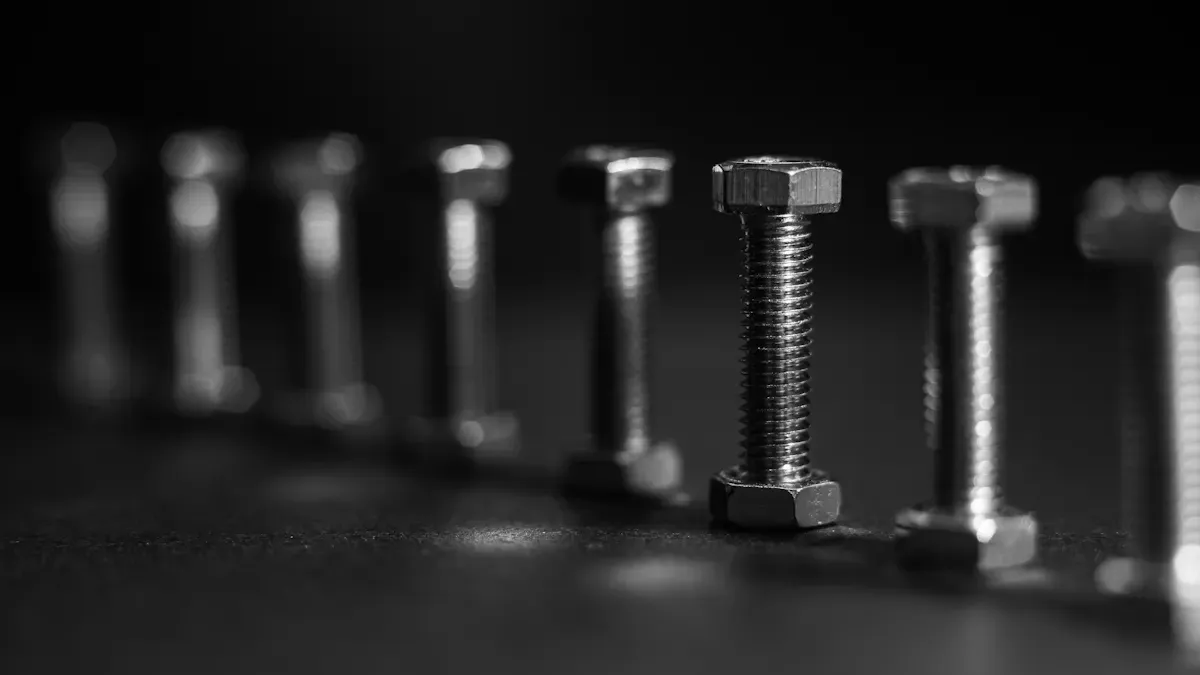
You must pick the correct grub screws for your job. Your choice depends on how strong you need them to hold. It also depends on what materials you use. Think about the exact job you are doing. Ask yourself which type is best for your use. Think about where you will use it and what your project needs. If you think about these things, you will get a good fit. You will also stop expensive errors. Always choose the right specification for your needs to get the best outcome.
Key Takeaways
Pick the right grub screw for your project. Think about how strong it needs to be and what materials you are using.
Grub screws are also called set screws. They do not have a head. They are good for small spaces. They hold parts together without sticking out.
There are different point styles like cup, flat, and cone. Each style has a different grip strength. Choose the right style for your job to get the best results.
The material is important! Use stainless steel outside. Use brass for electrical jobs. Use steel for heavy work.
How you put in the screw changes how well it works. Use the right tool. Follow the steps to make sure it fits tight.
Do not make common mistakes like tightening too much. Do not use the wrong screw type. These mistakes can break things or make them fail.
You can use some screws again, but it depends on the type and shape. Check screws before using them again, especially if safety is important.
Look at the manufacturer's guide for how tight to make the screw. Check if the screw works with your materials to get the best results.
Grub Screws Overview
What Are Grub Screws
You will often see grub screws in mechanical assemblies. These are small, headless fasteners that sit flush or below the surface of the material. In the UK, you call them grub screws. In the US, people often use the term set screw. You use them to hold one object inside another, such as securing a gear or pulley to a shaft. The lack of a head means you can install them in tight spaces where a standard bolt would not fit. You drive most grub screws with a hex key or Allen wrench, which gives you a strong grip during installation.
Grub screws come in many shapes and point styles. Each style suits a different job. For example, some have a flat end, while others have a pointed or cupped tip. You choose the type based on how much grip you need and the material you are working with.
Common Uses
You will find grub screws in many industries. In machinery, you use them to fix gears, collars, and pulleys to shafts. In electronics, you use them to secure knobs or handles. Furniture makers use them to hold parts together without visible fasteners. If you work with door handles, light fixtures, or even musical instruments, you may need grub screws for a neat finish.
You also use grub screws in situations where you want to avoid protruding parts. This makes them ideal for safety-critical applications. For example, you might use them in moving parts of machines where a bolt head could catch or cause damage.
Tip: Always match the point style of the grub screw to your application. A cup point gives a strong grip, while a flat point avoids damage to the shaft.
Materials And Sizes
You can choose grub screws in a wide range of materials. The most common options are steel, stainless steel, and brass. Steel grub screws offer high strength for heavy-duty jobs. Stainless steel resists rust, so you use it in damp or outdoor settings. Brass works well in electrical or decorative uses because it does not corrode easily.
Grub screw sizes vary to suit different needs. You will find tiny screws for electronics and large ones for industrial machinery. Standard sizes follow international standards such as DIN914. You can also choose from different thread types and lengths. Hex grub screws are popular because the hex socket drive makes installation easy and secure.
When you select a grub screw, always check the material and size. This ensures you get the right holding power and durability for your project.
Grub Screw Vs Set Screw
You may wonder if there is a real difference between a grub screw and a setscrew. In the UK, you call these fasteners grub screws. In the US, people use the term setscrew. Both names refer to the same type of headless screw, but you might see slight variations in how they are used or described.
A grub screw is a headless fastener. You drive it with a hex key or screwdriver. It sits flush with the surface, so you avoid protruding parts. You use it to secure one object inside another, such as fixing a collar to a shaft. A setscrew works in the same way. You install it in a threaded hole, and it presses against another part to hold it in place.
Note: You should always check the terminology in your region. Some suppliers use the term setscrew for both headless and headed screws. This can cause confusion if you order the wrong part.
Here is a simple comparison table to help you understand the differences:
You need to pay attention to the application. If you work with machinery, you often use grub screws to secure rotating parts. In furniture, you use setscrews to hold pieces together without visible fasteners. You must select the right size and material for your job. If you choose the wrong type, you risk poor holding power or damage to your equipment.
Some users face problems when ordering fasteners online. You might see setscrew listed for both headless and headed screws. Always check the product description and technical drawing. If you need a headless screw, look for terms like "grub screw" or "headless setscrew." If you need a screw with a head, confirm the details before placing your order.
Tip: You can avoid mistakes by checking the standards, such as DIN914. This standard covers headless screws with different point styles. You should match the standard to your project requirements.
You must also consider the drive type. Hex socket drives are common and give you a strong grip. Slot or star drives are less common but may suit special applications. If you need to remove or adjust the screw often, choose a drive type that matches your tools.
Types Of Grub Screws
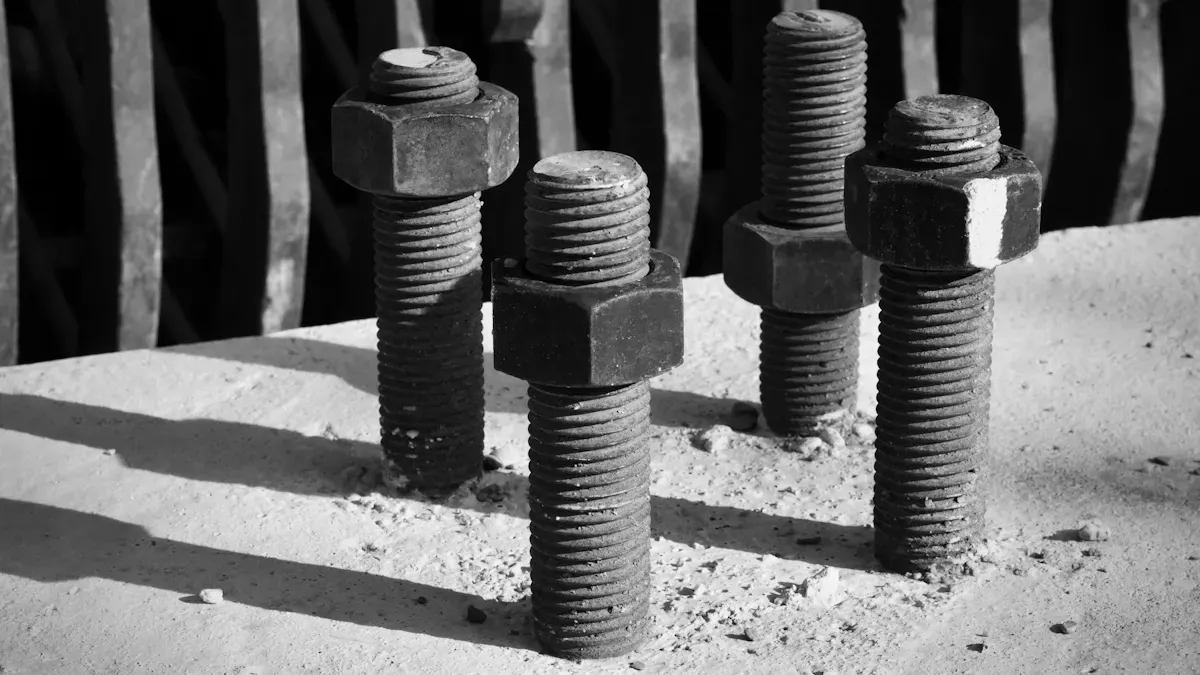
Cup Point
Features
Cup point grub screws have a rounded, concave tip. This design allows the screw to dig into the surface of the shaft or part you want to secure. The cup shape increases friction and holding power. You will find these screws easy to install with a hex key. The cup point sits below the surface, so you avoid snagging or catching.
Pros And Cons
Pros:
Provides strong grip on shafts.
Reduces risk of loosening from vibration.
Suitable for repeated adjustments.
Cons:
Can mark or damage softer shafts.
Not ideal for surfaces that need to stay smooth.
Applications
You use cup point grub screws in machinery, gear fixing, and collars. They work well when you need a secure hold and expect vibration. Choose cup point grub screws for applications where you want a reliable, reusable fastener.
Tip: If you need to remove or adjust parts often, cup point grub screws offer good reusability.
Flat Point
Features
Flat-end grub screws have a flat tip. The end presses evenly against the surface without digging in. This design prevents damage to the shaft or part. You can use these screws when you want to avoid marks or dents. Flat point screws sit flush with the surface, so they do not stick out.
Pros And Cons
Pros:
Will not damage or mark shafts.
Easy to adjust and remove.
Good for soft or finished surfaces.
Cons:
Lower holding power than cup or cone points.
May slip if used in high-vibration settings.
Applications
You use flat-end grub screws in electronics, furniture, and light fixtures. They suit applications where you want to protect the surface. Choose flat point screws for decorative or finished parts that need a clean look.
Note: Flat-end grub screws are best for light-duty jobs where surface protection matters.
Cone Point
Features
Cone point tip grub screws have a sharp, pointed end. The tip penetrates the surface of the shaft or part. This creates a strong, permanent hold. The cone shape focuses force on a small area, increasing grip. You use a hex key to install these screws.
Pros And Cons
Pros:
Delivers maximum holding power.
Prevents rotation and slipping.
Ideal for permanent or semi-permanent fixing.
Cons:
Can damage or indent the shaft.
Harder to adjust or remove without leaving marks.
Applications
You use cone point tip grub screws in heavy machinery, pulleys, and rotating parts. They work best when you need a secure, tamper-resistant hold. Choose cone point screws for applications where safety and strength are top priorities.
Warning: Only use cone point tip grub screws if you do not need to remove or adjust the part often.
Dog Point
Features
Dog point grub screws have a flat tip. There is a short round part called the "dog." This part fits into a hole or slot on another piece. It helps line up parts very well. The screw sits level with the surface, so nothing sticks out. You can put these screws in or take them out with a hex key.
Pros And Cons
Pros:
Gives exact placement for moving parts.
Lowers wear on the other surface.
Lets you take things apart and put them back together many times.
Cons:
Needs a matching hole or slot for the dog point.
Does not work well with soft materials.
Applications
You use dog point grub screws to hold or line up spinning parts. They are good for couplings, gears, and drive shafts. You see them in machines where parts must line up just right. If you need to take parts off and put them back often, dog point screws stop thread damage.
Tip: Pick dog point grub screws if you want to protect surfaces and need things to line up well.
Knurled Cup Point
Features
Knurled cup point grub screws have a cup-shaped tip. The edge has small lines or bumps. These make more grip between the screw and the other part. You get a stronger hold, even if there is a lot of shaking. The cup sits under the surface, so nothing sticks out.
Pros And Cons
Pros:
Gives extra grip in machines that shake.
Stops the screw from coming loose over time.
Good for jobs where you adjust the screw a lot.
Cons:
Can scratch or mark soft shafts.
Not good for parts that need to look nice.
Applications
You use knurled cup point grub screws in motors, pulleys, and big machines. They are best when shaking could make normal grub screws loose. If you need a strong hold and plan to move the screw often, this type is a good choice.
Note: Knurled cup point grub screws are best for factories or places where you need things to work well all the time.
Security Grub Screw
Features
A security grub screw has a special drive shape. It might have a pin-in-hex or a one-way slot. You need a special tool to put it in or take it out. This stops people from taking it out without permission. The screw sits flat with the surface, so it does not show much.
Pros And Cons
Pros:
Stops people from stealing or messing with things.
Keeps important equipment safe.
Looks neat and tidy.
Cons:
Needs a matching security tool.
Harder to take out or fix when you are not in the workshop.
Applications
You use a security grub screw in public places, electronics, and safety gear. It works well in panels, control boxes, and places where you do not want people to open things. If you need to keep valuable or important things safe, this screw helps you worry less.
Alert: Always keep the right security tool nearby for fixing or emergencies.
Specialised Types
Thread Hanger Stud Dowel Screw
Sometimes you need a fastener for heavy things. The Thread Hanger Stud Dowel Screw is very strong. It has threads on both ends and a smooth rod in the middle. You can use it to hold big machines or thick plates. One end goes into the main part. The other end lets you add nuts or other pieces.
Key Features:
Double-ended threads let you connect things in many ways
The smooth rod makes it easy to put in and take out
A bigger size means it is stronger
Typical Applications:
Holding machines and mechanical seal seats
Fixing mirrors and heavy items
Joining thick plates where bolts do not fit
Hanging beams or roof trusses in building work
Tip: Use this screw if you need to take off parts often. The design keeps the threads safe, so it lasts longer.
Pain Points Solved:
You do not damage threads when you put it together or take it apart a lot.
You can hold heavy things without the bolt breaking.
You can join parts in small spaces where hex bolts will not work.
You can trust this fastener to last a long time, especially if you buy it from professional manufacturer.
Double Ended Hanger Bolt
Sometimes you need to join wood to metal or fix furniture. The Double Ended Hanger Bolt helps you do this fast. One end has wood threads. The other end has machine threads. You screw the wood end into timber. Then you use the other end to add metal parts or brackets.
Key Features:
Wood thread grips timber well
Machine thread holds metal tight
Both ends make it simple to use
Typical Applications:
Putting furniture together or fixing it
Attaching brackets to wooden beams
Adding parts to timber frames
Note: Use this bolt when you want a neat, hidden join. It keeps your work tidy and strong.
Pain Points Solved:
You do not see fasteners in your furniture or woodwork.
You get a strong join between wood and metal.
You can put it in tight spots without trouble.
Summary Table:
If you work in building, furniture making, or putting in machines, you can do better work by picking the right special fastener for each job.
Grub Screw Comparison
Key Differences
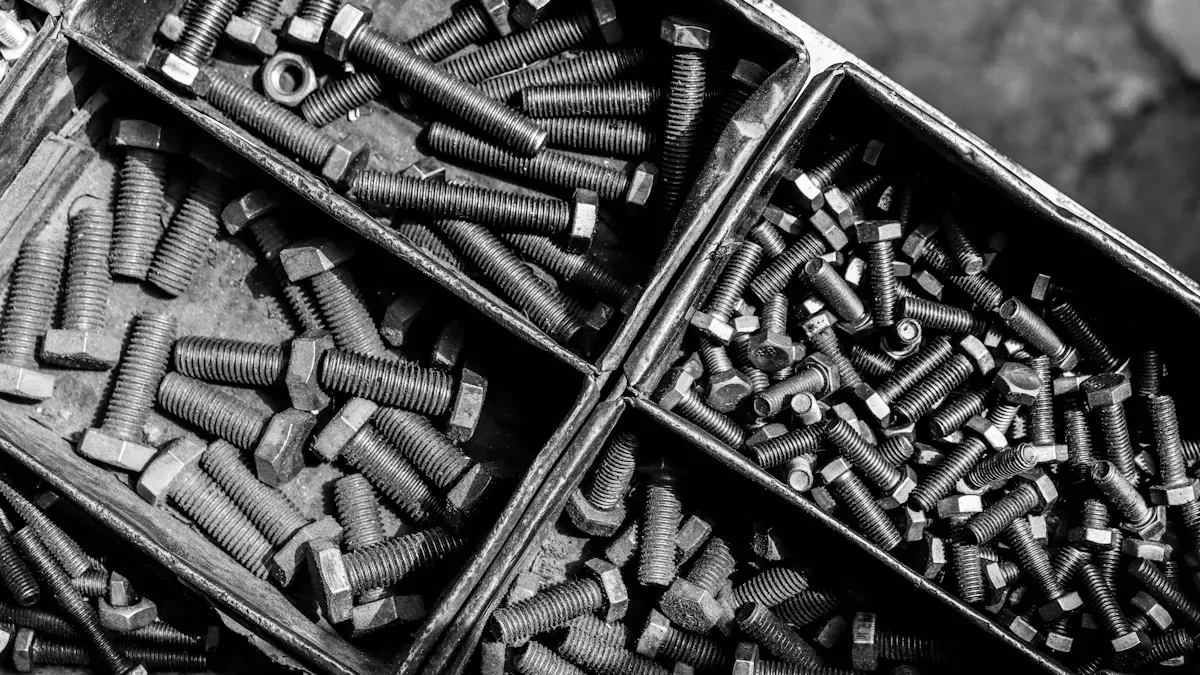
Each grub screw type has its own point shape. This shape changes how the screw holds things. It also affects if it leaves marks and how easy it is to move. Cup point screws dig into the shaft for a strong hold. Flat point screws press down but do not mark the surface. Cone point screws bite deep for the best grip. Dog point screws fit into holes to line up parts exactly. Knurled cup point screws make more friction, so they resist shaking. Security grub screws need special tools to stop people from tampering. Specialised types, like thread hanger stud dowel screws, help with heavy jobs or when you need to take things apart.
You must think about how you put the screw in. Some screws use a normal hex key. Security screws need special tools. The screw’s material matters too. Stainless steel does not rust. Brass is good for decoration or electrical work. Steel is strong and good for tough jobs.
For more technical details about fastener standards and uses, you can look at BSI Group’s guide on fasteners.
Pros And Cons Table
Use Cases
You pick different grub screws for different jobs:
Cup point or knurled cup point screws are good for machines that spin.
Flat point screws keep surfaces safe in electronics or decorations.
Cone point screws are best for strong, permanent holds.
Dog point or thread hanger stud dowel screws help if you take parts off and on often.
Security grub screws stop people from tampering in public places.
Double ended hanger bolts make neat joins in furniture or woodwork.
Tip: Always match the screw type to the material and the forces. This keeps things safe and makes them last longer.
If you know these differences, you can fix many fastening problems. Picking the right screw stops damage, keeps things safe, and makes repairs easier.
Choosing The Right Grub Screw
Material Compatibility
You need to pick grub screws that match the parts you join. Steel is very strong and good for heavy jobs. Stainless steel does not rust, so use it outside or in wet places. Brass is best for electrical things and decorations because it stays shiny. If you use aluminium or soft metals, pick a screw that will not cause metal problems. Always check if the screw works well with the base material. This stops rust, damage, and sudden breaks.
Tip: When you put grub screws in wood or soft materials, choose ones with threads made for these. This keeps the screw tight and stops the wood from splitting.
Holding Power
Think about how much force your grub screws must handle. Cup point and cone point types grip shafts very well. They are good for machines and spinning parts. Flat point screws press down but do not leave marks, though they are not as strong. Dog point screws line up moving parts, but you need a matching hole. Knurled cup point screws stop shaking, so use them in motors and big machines.
If you want the strongest hold, pick a screw with a sharp or cupped tip. For light jobs, flat point screws are enough. Always match the screw type to the job’s force. This stops screws from coming loose and keeps things safe.
Note: You can read more about picking fasteners and rules at Engineering Toolbox.
Reusability
Sometimes you need to take grub screws out and put them back in. How many times you can do this depends on the screw type and material. Cup point and knurled cup point screws can be used again in simple jobs. Flat point screws are easy to move and remove, so they are good for electronics and furniture. Cone point screws hold tight, but taking them out can leave marks or damage.
For important or safety jobs, you should use new grub screws after taking them out. The metal can stretch and make the screw weaker. For easy jobs, you can use the same screw if the threads are still good. Always look at the screw and the hole before putting it back.
Alert: If you often change or adjust things, pick a screw that does not wear out the threads and is safe to use again.
You need to think about how strong the screw must be and how easy it is to take out. This helps you pick the right grub screw and makes sure your project lasts a long time.
Installation Method
You need to choose the right installation method for your grub screw. The way you install the screw affects how well it holds and how easy it is to adjust or remove. You must match the drive type and tool to your application.
Drive Types:
Hex Socket: Most common. You use an Allen key for quick, secure tightening. This drive works well in tight spaces.
Slotted: You use a flat-blade screwdriver. This type suits light-duty jobs or where you need a simple tool.
Star or Torx: You use a star-shaped driver. This drive gives you more grip and reduces the risk of stripping.
Security Drives: You need a special tool. This drive stops tampering and keeps equipment safe.
Installation Steps:
Clean the hole and the screw. Dirt can stop the screw from seating properly.
Choose the correct tool for the drive type.
Insert the screw and turn it until it sits flush or just below the surface.
Tighten the screw to the recommended torque. Over-tightening can strip threads or damage the part.
Check alignment if you use dog point or hanger types.
Tip: Always use a torque wrench for critical applications. This tool helps you avoid over-tightening and ensures a consistent hold.
Common Mistakes to Avoid:
Using the wrong tool can damage the drive or the screw.
Over-tightening can deform the shaft or strip the threads.
Under-tightening can cause the screw to loosen during use.
Failing to clean the threads can lead to poor fit and reduced holding power.
You must always match the installation method to your project needs. This choice ensures safety, reliability, and ease of maintenance.
Common Mistakes With Grub Screws
Wrong Type Selection
You might choose the wrong type of grub screws if you do not check your application needs. Each type has a special point shape and purpose. If you use a flat point where you need a strong grip, the screw may slip. If you use a cone point on a soft shaft, you could damage the surface. You must match the screw to the job. For example, cup point screws work well in machines with vibration. Dog point screws help with alignment in moving parts. Security types protect against tampering in public places.
Tip: Always read the technical details before you buy. Check the point style, size, and material. This helps you avoid weak holds or damage.
Common Scenarios:
Using a flat point in a high-vibration motor
Choosing a cone point for a decorative fitting
Installing a dog point without a matching hole
Over-Tightening
You can cause problems if you tighten grub screws too much. Over-tightening can strip the threads in the hole or deform the shaft. You may also break the screw itself. If you use too much force, you make future removal difficult. You risk damaging both the fastener and the part you want to secure.
Note: Use a torque wrench if you need a precise hold. Follow the recommended torque values for your screw size and material.
Signs of Over-Tightening:
Threads look worn or flattened
The screw head or drive socket is damaged
The shaft has dents or cracks
You should always stop tightening when the screw sits flush and feels secure. If you need extra holding power, choose a different point style or use thread-locking fluid.
Material Mismatch
You must match the material of your grub screws to the parts you join. If you use steel screws in aluminium, you risk corrosion. If you use brass in a heavy machine, the screw may shear under load. Stainless steel resists rust but may not have the same strength as hardened steel. You should also avoid mixing metals that react with each other.
Alert: Always check for galvanic corrosion if you use different metals together. This can weaken your assembly over time.
Material Compatibility Table:
You can prevent failures by choosing the right material for your environment and load. This keeps your project safe and long-lasting.
Poor Installation
You can face many problems if you do not install grub screws correctly. Poor installation often leads to weak joints, damaged parts, or even complete failure of your assembly. You must pay attention to each step of the process to get the best results.
Common Installation Errors:
Misaligned Screws: If you do not line up the screw with the hole, you can cross-thread it. This weakens the grip and makes removal difficult.
Dirty Threads: Dirt, oil, or metal shavings in the threads stop the screw from seating properly. You lose holding power and risk loosening.
Wrong Tool Use: Using the wrong size or type of tool can strip the drive socket. You may not tighten the screw enough, or you could damage the head.
Incorrect Depth: If you do not drive the screw deep enough, it will not hold. If you drive it too deep, you can damage the shaft or the part you want to secure.
No Threadlocker: In high-vibration settings, you should use a threadlocker. If you skip this step, the screw may work loose over time.
Tip: Always clean both the screw and the hole before installation. Use a brush or compressed air to remove debris.
Installation Checklist:
Check the screw type and size for your application.
Clean all threads and surfaces.
Select the correct tool for the drive type.
Align the screw with the hole.
Insert and turn the screw until it sits flush or just below the surface.
Tighten to the recommended torque.
Apply threadlocker if needed.
You must follow each step to avoid costly mistakes. If you rush or skip steps, you risk damaging your equipment. In machinery, poor installation can cause vibration, noise, or even breakdowns. In furniture, you may see loose joints or wobbly parts. In electronics, a poorly installed grub screw can lead to poor connections or short circuits.
Table: Installation Mistakes and Effects
Alert: Never force a grub screw if it feels stuck. Remove it, check for debris or misalignment, and try again.
You can improve your results by using care and the right technique. Good installation keeps your project safe, strong, and long-lasting.
Practical Tips For Grub Screw Selection
Step-By-Step Guide
You can pick the right grub screws by using simple steps. First, find out what materials you want to join. Think if you need the screw to stop rust or be very strong. Next, decide how much holding power you need. Look at how much force your project will have. Pick the point style that fits your job. For example, use a cup point for machines or a flat point for soft surfaces.
Measure the hole and the shaft to get the right size. Choose the correct diameter and length for your screw. Pick a drive type that matches your tools. Clean all the parts before you start. Put in the screw and tighten it as much as the maker says. If your project shakes a lot, use a threadlocker. Test your work to see if anything moves or comes loose.
Tip: Keep extra screws and tools close by so you can fix things quickly.
Manufacturer Guidelines
You should always read the instructions from the maker. These rules help you avoid mistakes. Check how tight you should make each screw size. Use the right tool for the job. Follow the advice about which materials go together. Some makers give charts to match screws to different metals or plastics.
If you use special fasteners like double-ended hanger bolts, follow the steps for both ends. Make sure you do not mix up the wood and machine threads. For heavy jobs, check how much weight the screw can hold. If you are not sure, ask the technical support team for help.
Expert Advice
You can get better results by listening to people with experience. Experts say you should always test one screw before doing the whole job. This helps you find problems early. Use a torque wrench to make sure you tighten screws the same way each time. Do not mix metals that can rust together. If you need to take parts off a lot, pick a screw that does not harm the threads.
Ask for help if you use new materials or designs. You can join online groups or talk to engineers. Write down what works best in your projects. Over time, you will learn the best ways to use grub screws.
Note: Picking and installing screws carefully saves you time and money later.
You now know grub screws work for many jobs. Each point style has its own use and advantage. Always pick the right screw for your project. This keeps things safe and strong. First, check what material you are using. Then, think about how much force the screw must hold. Also, look at how you will put the screw in. If you need help with a tricky job, ask YONGYI FASTENERS for advice.
FAQ
What is the main difference between a grub screw and a set screw?
You will find that both terms often mean the same thing. In the UK, you call it a grub screw. In the US, people say set screw. Both are headless fasteners used to secure parts inside machinery.
How do I choose the right grub screw point style?
You should match the point style to your job. Use cup or cone points for strong grip. Pick flat points for soft or finished surfaces. Dog points help with alignment. Always consider the material and how much force you need.
Can I reuse grub screws after removal?
You can reuse grub screws if the threads remain undamaged. Always inspect both the screw and the hole. For safety-critical jobs, use a new screw. Reusing worn screws may reduce holding power and risk failure.
Which material should I select for outdoor use?
You should choose stainless steel for outdoor or damp environments. Stainless steel resists rust and lasts longer outside. Avoid plain steel outdoors, as it may corrode quickly.
What tools do I need to install grub screws?
You will need an Allen key for hex socket screws. Use a flat screwdriver for slotted types. Security grub screws require special drivers. Always use the correct tool to avoid damaging the screw or the part.
Why does my grub screw keep loosening?
Vibration often causes grub screws to loosen. You can use a knurled cup point for better grip. Apply threadlocker for extra security. Check that you have tightened the screw to the correct torque.
When should I use a Thread Hanger Stud Dowel Screw?
You should use a Thread Hanger Stud Dowel Screw when you need to secure heavy equipment or join thick plates. This fastener works well for machinery, construction, and situations where you remove attachments often.
Get Quote
Welcome To Know Our Products
Get Product and Service Information
Follow us
We provide OEM service and focus on stable quality, competitive pricing and responsive export support.


Contact Info
Add:Dongmingyang Industrial Park, Mingguan Town, Yongnian District, Handan City, Hebei Province China
Export salesman:
WhatsApp:+86 18830064300
E-mail: sales@hgtfix.com
Export salesman:
WhatsApp
+86 18830064300
E-mail:
Copyright © 2022 HEBEI YONGYI FASTENERS MANUFACTURING CO.,LTD Power by 300.cn | SEO