Welcome to Yongyi Fasteners, Your Reliable Fastener Supply Partner!

-
ProductsWe supply flat washers, spring washers, drop-in anchors, anchor bolts, hex nuts, hex bolts, sleeve anchors, threaded rods and OEM fastener products to DIN, BS, ANSI and MS standards.

-
About usHEBEI YONGYI FASTENERS MANUFACTURING CO.,LTD is located in China's largest fasteners production base Yongnian fasteners centre.
-
NewsHebei Yongyi Fasteners shares company updates, product knowledge and fastener industry news for global buyers.
-
ServiceThe products sold throughout the domestic and exported to Southeast Asia and Europe and other countries and regions. Our products win good reputation with domestic and foreign customers.



YONGYI FASTENERS
Support stable quality from material selection, processing and inspection to final delivery.
FOCUS ON HOT SPOTS

Complete Guide to Corrosion Resistance in Galvanised Screws
Published:
2026-05-25
Author:
Galvanised screws resist corrosion with a zinc coating. Find out how to choose, install, and maintain them for lasting protection in any environment.
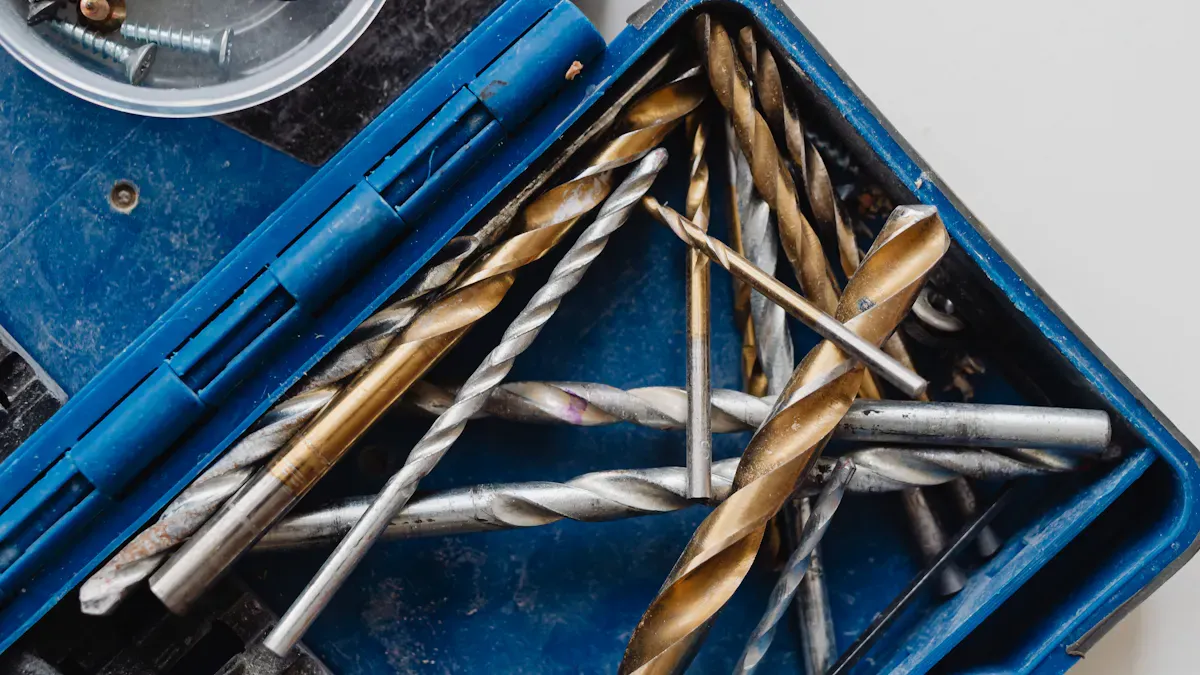
Imagine you are building a garden deck or repairing a fence near the coast. You want fasteners that last. Galvanised screws give you corrosion resistance because their zinc coating protects against rust. If you choose the right screws and install them properly, you stop corrosion from weakening your structure. You should also check and maintain your screws to keep them strong. Corrosion can damage even the best materials, so you must know what causes it and how to prevent it.
Key Takeaways
Galvanised screws have a zinc layer that stops rust. This makes them good for outdoor jobs. Corrosion happens if the zinc gets damaged. Always look for scratches or worn spots on screws. Pick screws that match where you will use them. Hot-dip galvanised screws work best in wet or seaside places. Do not mix different metals together. This stops galvanic corrosion, which can make fasteners weak. Check screws often for rust or damage. This helps keep things safe for a long time. Use anti-seize compounds when you put in screws. This stops them from getting stuck or stripped. Clean surfaces before you put in screws. This keeps the zinc layer strong and stops corrosion. Buying good galvanised screws saves money on fixing things. It also makes your projects last longer.
Causes Of Corrosion In Galvanised Screws
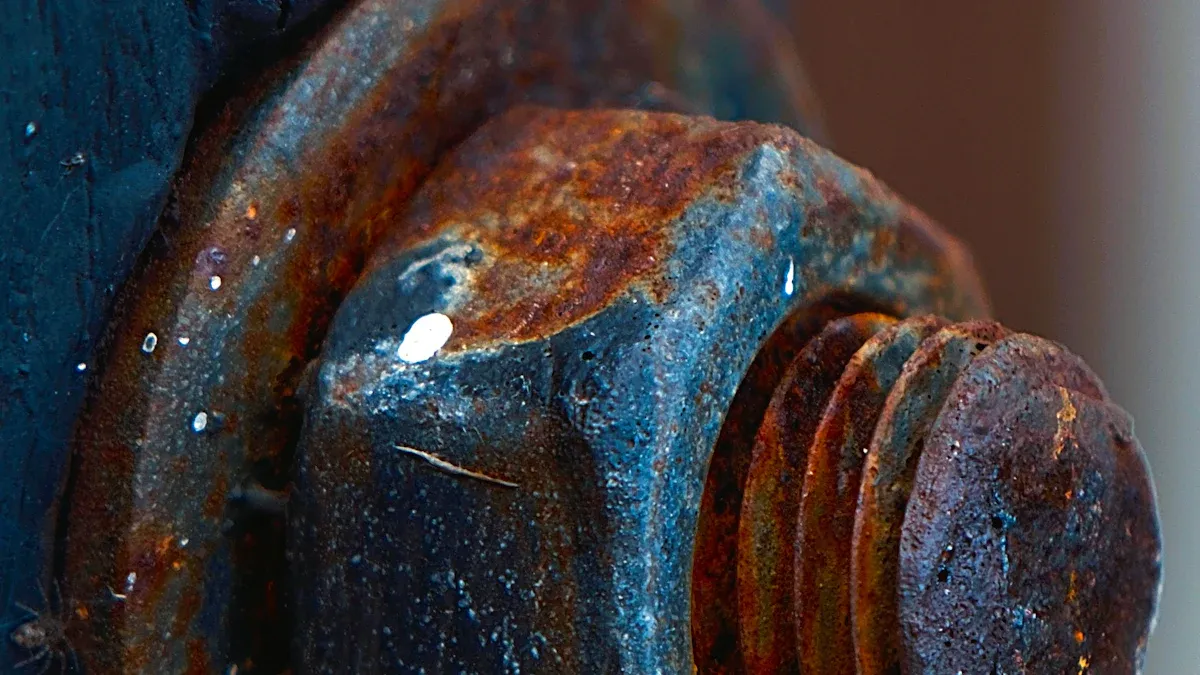
If you know why galvanised screws corrode, you can pick better ones for your job. It is important to learn what makes corrosion happen and how the environment changes things. This part tells you what causes corrosion and what can happen to your structures if it starts.
What Is Corrosion
Corrosion is a process that slowly destroys metals. You might notice metal turning a different colour, flaking, or getting weaker. For galvanised screws, corrosion starts when the zinc coating reacts with things around it. This is called electrochemical corrosion. The zinc layer keeps the steel safe, but if it gets scratched or damaged, the steel can rust fast. You need to know about the different types of fastener corrosion so your projects do not fail.
Tip: Look for early signs like white powder or rust stains. This helps you stop bigger problems before they start.
Environmental Factors
Where you use your screws matters a lot for corrosion. Some places are tougher on screws, so you must pick the right ones for those spots.
Moisture And Chemicals
Water is a big reason why corrosion happens. If water stays on galvanised screws, it can wear away the zinc coating. Chemicals in rain, dirt, or cleaning stuff can make this happen faster. If you use screws where it is very wet or damp, they will corrode more quickly. Experts from the British Corrosion Association say even a little salt or acid in water can make things worse.
Marine And Industrial Settings
Places near the sea or factories are extra hard on screws. At the coast, salt from the sea air lands on surfaces and pulls in water. This mix damages the zinc layer and makes corrosion happen fast. Factories often have chemicals in the air that can hurt metal. If you work in these places, you should use screws with thicker coatings or special protection. Studies show that these tough environments can make normal galvanised screws last only half as long.
Galvanic Corrosion Risks
Galvanic corrosion happens when two different metals touch in a wet place. This can harm your screws even if the zinc coating looks fine.
Contact With Other Metals
If you use galvanised screws with other metals like copper or stainless steel, there is a risk. When water is around, the metals make an electric circuit. The zinc coating wears away to protect the other metal, so your screws might fail sooner. Do not mix metals unless you use barriers or washers.
Conductive Environments
Some places let electricity move easily. Wet dirt, saltwater, or treated wood can help electricity flow. This makes electrochemical corrosion happen faster. You need to be careful in these places. Use screws made for tough conditions or add extra protection to keep them safe.
Note: Always choose fasteners that match the place and the other materials. This helps stop surprise corrosion problems.
If you know what causes corrosion, you can pick the right screws and keep your projects safe from damage.
Surface Protection Mechanisms
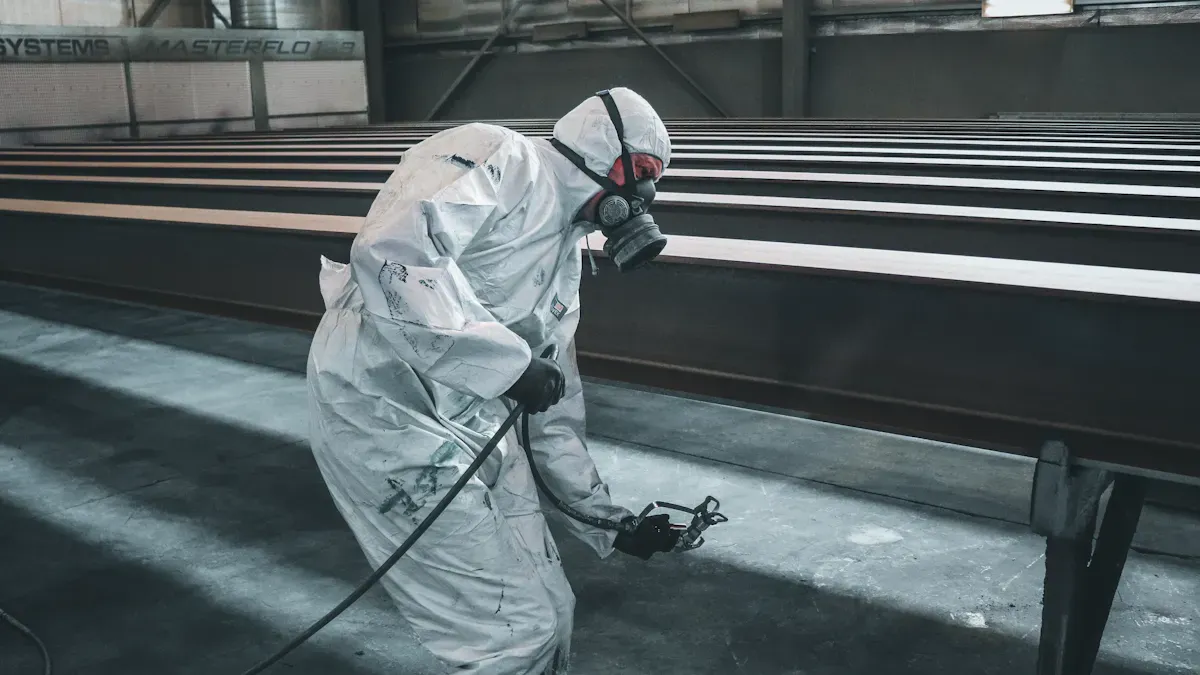
You need strong surface protection to keep fasteners safe from corrosion. Galvanised screws use a zinc-coating to protect the steel inside. This section shows how the zinc layer works, the main galvanisation methods, and how these compare to stainless steel screws.
Zinc Coating Protection
Barrier Effect
The zinc-coating makes a barrier on the screw. This barrier stops water, air, and chemicals from touching the steel. When you use galvanised screws outside, the zinc layer keeps rain and moisture away from the metal. You get the best results in places with lots of humidity or where surfaces are washed often. The zinc-coating also stops dirt and salt from sticking to the steel, which slows corrosion.
Sacrificial Protection
Zinc does more than cover the steel. It acts as a sacrificial layer. If the coating gets scratched, the zinc will corrode first. This protects the steel underneath. Zinc is like a shield that takes the damage so the screw stays strong. Sacrificial protection works well in tough places, like near the sea or with treated timber. The zinc layer keeps working even if you see small chips or marks.
Tip: Always check for damage to the zinc-coating. Even small scratches can lower protection, but the sacrificial effect gives you extra time before rust starts.
Galvanisation Processes
Hot-Dip Galvanised Screws
Hot-dip galvanised screws have a thick zinc-coating. Makers dip the steel screws into melted zinc. This makes a strong bond between the zinc and the steel. You get a rough, matte surface that resists corrosion very well. Hot-dip galvanised screws work best outside, on fences, and decks. They also do well in treated wood, where chemicals can speed up corrosion. The thick coating gives you long-lasting protection, even in tough places.
Electro-Galvanised Screws
Electro-galvanised screws use a different method. Makers put zinc on the steel using electricity. This makes a thinner, smoother coating. Electro-galvanised screws look shiny and feel smooth, but they do not last as long in wet or harsh places. You can use them indoors or where there is little moisture. The thin coating gives less protection, so you should not use them outside or near the sea.
Here is a table comparing the two main galvanisation methods:
The thicker the zinc-coating, the better the corrosion resistance. Hot-dip galvanised screws give you the best surface protection for outdoor and treated timber use.
For more details on galvanisation standards, you can visit the British Standards Institution – BS 7371-6(Coatings on metal fasteners: Specification for hot dipped galvanized coatings).
Comparison With Stainless Steel Screws
You might wonder if stainless steel screws are better than galvanised screws. Stainless steel screws resist corrosion very well, especially in treated wood and wet places. They do not need a zinc-coating for protection. The steel has chromium, which makes a protective layer on the surface. This makes stainless steel screws great for places with lots of moisture, salt, or chemicals.
Hot-dip galvanised screws give strong corrosion resistance for outdoor and tough places.
Stainless steel screws (like A316/A4) offer the highest resistance to corrosion, especially in treated wood with water and chemicals.
Here is a simple chart showing how different screws perform in a salt spray test (hours to first sign of corrosion):
You should pick the right screw for your project. For decks, fences, and treated wood, hot-dip galvanised screws give reliable surface protection. For places with lots of salt or chemicals, stainless steel screws last even longer.
Note: Always match the screw type to your environment and materials. This gives you the best protection and keeps your structures safe.
Choosing Galvanised Screws For Protection
Assessing Application Needs
You need to pick fasteners that fit your project and environment. Galvanised screws protect well, but you must think about where you use them.
Interior Vs Exterior Use
Indoor jobs need different screws than outdoor jobs. Inside, there are fewer problems from weather, so thin coatings can work. Outside, you face rain, humidity, and changing temperatures. You need thicker zinc coatings for outdoor protection. Coastal places have salty air, which makes corrosion happen faster. Choose screws made for tough conditions to keep your structure strong.
Tip: For outdoor jobs, check the coating’s grade and thickness. Stainless steel screws, like A2 and A4 grades, are great for stopping rust from moisture and weather.
Treated Timber And Lumber
Treated timber has chemicals that can harm metal fasteners. You need strong protection to stop early damage. Hot-dip galvanised screws are good for treated wood because their thick coating fights chemical attack. For decks and fences, do not use standard galvanised screws with thin coatings. A4 grade stainless steel stops chloride pitting, so it is best for coastal and marine areas.
Material Compatibility
You must think about the materials you join together. Using the wrong mix can cause corrosion and make your design weak.
Wood
Wood works well with galvanised screws. The zinc coating keeps moisture away and makes the fastener strong. Use hot-dip galvanised screws for outdoor wood jobs.
Metal
When joining metal parts, do not mix different metals. If galvanised screws touch copper or stainless steel, galvanic corrosion can happen. This makes rust start faster and harms your fasteners. Use matching materials, like stainless steel or hot-dip galvanised screws, to protect and make your fasteners last longer.
Composite Materials
Composite materials have plastics and fibres. You need screws with coatings that stop moisture and chemicals. Galvanised screws protect well, but you must check if they work with the composite’s ingredients. Always follow what the manufacturer says to keep your project safe.
Note: Mixing different metals can make corrosion happen faster through galvanic corrosion. Match materials carefully to keep your design safe.
Standards And Certifications
Check standards and certifications before buying fasteners. Standards help you get good protection and performance. Look for screws that meet British Standards, like BS EN ISO 1461 for hot-dip galvanising. Certified products mean quality and help keep your structure strong.
You can find more about standards at the British Standards Institution.
Callout: Certified screws help your design meet safety and durability rules, especially in tough environments.
Installation To Prevent Corrosion
You can make galvanised screws last longer if you install them the right way. Good planning and careful work help protect fasteners from corrosion.
Surface Preparation
Always get the surface ready before you put in screws. Clean the spot where the fastener will go. Use mild soap and water to wash away dirt, dust, and grease. Do not use harsh chemicals like bleach or strong cleaners. These can harm the zinc layer on the screw and the surface. A clean area lets the zinc coating work well and keeps moisture away from the steel.
Tip: Make sure the surface is dry before you start. Wet spots under the screw head can make corrosion happen faster.
Correct Installation Techniques
Proper installation keeps the zinc coating safe and makes the screw strong. You can stop corrosion by using the right tools and methods.
Avoiding Over-Tightening
If you tighten a galvanised screw too much, you can crack or break the zinc coating. This lets water and air reach the steel. Use a hand tool or set a power driver to low torque. Stop turning when the screw feels tight enough. This keeps the protective layer safe and helps stop corrosion.
Preventing Stripping And Seizing
Stripping happens when the screw head or threads get damaged. Seizing means the screw gets stuck and will not turn. Both problems can break the zinc coating and show the steel. Use the right size bit and press steadily. Do not rush the job. If the screw is hard to turn, back it out and try again. This lowers the chance of hurting the surface and keeps the protection strong.
Using Anti-Seize Compounds
You can put anti-seize compound on the threads before you install the screw. This step lowers the risk of corrosion bonding a lot. People use this in both home and industrial jobs. The compound makes a barrier that stops moisture and chemicals from touching the threads. This makes it easier to take out the screw later and keeps the protection working longer. In wet or humid places, this step is even more important for stopping fastener corrosion. Checking and tightening screws often also helps stop corrosion bonding and keeps your structure safe.
Note: Anti-seize compounds are very helpful in outdoor, marine, or damp places.
If you follow these steps, your galvanised screws will resist corrosion and keep your projects strong for a long time.
Maintenance And Inspection For Long-Term Protection
You can make galvanised screws last longer with regular checks and care. These steps help you find rust early and keep the surface strong. Many experts say a simple routine can stop corrosion and save money on repairs.
Regular Inspection
Check your screws two times each year. Look for rust, white powder, or damage on the zinc surface. Use a torch to see dark or hidden places. If you find loose or missing screws, put in new ones right away. Fixing problems early keeps your structure safe.
Tip: Check outdoor screws after storms or heavy rain. Wet weather can make corrosion happen faster, especially near the sea.
A user said, “I check my deck screws every spring and autumn. I found some rusty ones early and changed them. My deck has stayed strong for years, even after cold winters.” This shows that regular checks help protect for a long time.
Cleaning And Surface Protection
Cleaning Methods
Clean around the screws to get rid of dirt, salt, and rubbish. Use a soft brush and mild soap. Do not use strong chemicals because they can hurt the zinc layer. Rinse with clean water and dry the area well. This keeps the surface protection working.
For tough stains, mix water and baking soda.
Never use steel wool or rough pads. These can scratch the surface and lower protection.
Applying Protective Coatings
You can add more surface protection by using a clear sealant or special coating. These products block water and slow down corrosion. Put the coating on with a brush or spray, and follow the maker’s instructions. Do this every year for the best results.
Regular coatings help screws pass the salt spray test. This test checks how well screws resist corrosion in hard places.
When To Replace Screws
Change screws if you see deep rust, stripped heads, or damaged zinc coating. Screws with missing surface protection will not last long. Always use new galvanised screws with the right coating thickness. If you work near the sea or in factories, check screws more often and change them if you see any corrosion.
A table can help you know when to change screws:
If you follow these steps, your fasteners stay strong and your projects stay safe. Regular care and checks give you the best long-term protection.
Troubleshooting Common Corrosion Problems
Seized Or Stripped Screws
You may find that galvanised screws become seized or stripped during use. This happens often in places with high humidity, where moisture leads to corrosion. When metal reacts with water, rust forms and can lock screws in place. Over-tightening screws during installation can also strip the head, making it hard for your tools to grip. If you work in areas with big temperature changes, thermal expansion and contraction can cause screws to get stuck over time.
To deal with seized screws:
Use a penetrating oil to loosen the rust.
Tap the screw gently with a hammer to break the bond.
Try a screw extractor if the head is damaged.
To prevent stripping:
Use the correct screwdriver bit.
Apply steady pressure.
Stop turning when the screw feels tight enough.
If you notice resistance when removing a screw, do not force it. Forcing can break the screw or damage the material.
Early Signs Of Corrosion
Spotting corrosion early helps you avoid bigger problems. Look for these warning signs:
White powder or chalky spots on the screw head.
Orange or brown stains around the fastener.
Flaking or bubbling on the zinc coating.
You should check screws in outdoor or damp areas more often. Early detection lets you clean or replace affected screws before the damage spreads. If you see any of these signs, clean the area with a soft brush and mild soap. Dry the surface well to slow down further corrosion.
Regular checks after rain or storms help you catch corrosion before it weakens your structure.
Damaged Zinc Coating Solutions
If the zinc coating on your galvanised screws gets damaged, you need to act quickly. Exposed steel will rust much faster, especially in wet or salty environments. You can use these solutions:
Apply a zinc-rich paint: This paint acts as a new barrier and gives sacrificial protection.
Use a cold galvanising spray: This spray contains real zinc and helps restore the protective layer.
Replace badly damaged screws: If you see deep rust or missing coating, swap the screw for a new galvanised one.
A simple table can help you decide what to do:
Quick repairs keep corrosion from spreading and protect your project for longer.
Cost And Benefits Of Proactive Protection
Initial Cost Vs Long-Term Savings
Galvanised screws cost more than plain steel ones. This is because they have a zinc coating and need extra work to make. Some people wonder if paying more is worth it. The answer depends on where you use the screws. In tough places, the higher price saves money later. Galvanised screws last much longer and do not need to be changed often. You will not have to fix things as much, so you save on work costs. Studies show that good fasteners help buildings stay strong for many years. You save money by stopping problems early and keeping your project safe.
A simple table shows the difference:
Buying strong and long-lasting fasteners helps you avoid spending lots of money on repairs.
Preventative Measures
You can do a few things to keep your fasteners and building safe. Pick the right screw for your job and where you use it. Use hot-dip galvanised screws outside or in wet places. Put anti-seize compound on the threads, especially in hard conditions. Check and clean your screws often. Add more coatings if you see any damage. Experts say you should use the salt spray test to see how well your screws fight rust. This test helps you choose the best screws for your needs.
A checklist for preventative measures:
Pick screws that fit your job and place.
Get surfaces ready before putting in screws.
Do not mix different metals.
Check and clean screws two times a year.
Add extra coatings in tough places.
Doing these things keeps your building safe and helps your screws last longer.
Impact On Structural Safety
The screws you pick can change how safe your project is. Rusty screws can make joints weak and cause things to break. If you do not look after your screws or use the wrong ones, it can be dangerous. Checking your screws and using the right steps keeps your project safe and strong. For important things like decks or stairs outside, you must use screws that match the place. This way, your building stays safe and works well.
Picking the right screws and looking after them keeps your project and the people using it safe.
You keep steel fasteners safe from corrosion by picking galvanised screws with a zinc-coating. The zinc layer blocks water and air from touching the steel. You stop corrosion by getting surfaces ready, using the right coating, and checking screws often. Surface protection makes your structure last longer and stay safe. Experts say regular care and strong zinc protection help you avoid expensive repairs. Use these tips to make sure your project stays strong and fights corrosion.
FAQ
What makes galvanised screws resist corrosion?
Galvanised screws have a zinc coating. This layer acts as a shield. It protects the steel underneath. The zinc sacrifices itself if damaged. Experts say this slows rust. It helps the screw last longer outside.
Can you use galvanised screws in treated timber?
Yes, you can use them. Hot-dip galvanised screws are best for treated timber. Their thick zinc coating stops chemicals in wood from causing damage. Builders suggest them for decks and fences.
How do you know when to replace galvanised screws?
Look for deep rust or missing zinc. Check for loose screws too. If you see these signs, change the screws. Regular checks help you find problems early. This keeps your structure safe.
Are galvanised screws suitable for marine environments?
Hot-dip galvanised screws can be used near the sea. Stainless steel lasts longer in salty air. Salt makes corrosion happen faster. Pick the best screw for your area.
What is the difference between hot-dip and electro-galvanised screws?
Hot-dip galvanised screws have a thick, rough zinc layer. They last longer outside. Electro-galvanised screws have a thin, smooth coating. Use them indoors or in dry places.
Should you use anti-seize compound on galvanised screws?
Yes, especially in wet or coastal areas. Anti-seize compound stops screws from sticking. It makes taking them out easier. Many professionals use it to stop corrosion bonding.
Can you paint over galvanised screws for extra protection?
You can paint over them. Use a primer made for metal first. Paint adds another shield against water and air. This helps screws last even longer.
Why do galvanised screws sometimes corrode faster than expected?
Mixing metals can make corrosion happen faster. Damage to the zinc layer or harsh chemicals also speed up rust. Experts say match materials and check for scratches. This keeps protection strong.
Get Quote
Welcome To Know Our Products
Get Product and Service Information
Follow us
We provide OEM service and focus on stable quality, competitive pricing and responsive export support.


Contact Info
Add:Dongmingyang Industrial Park, Mingguan Town, Yongnian District, Handan City, Hebei Province China
Export salesman:
WhatsApp:+86 18830064300
E-mail: sales@hgtfix.com
Export salesman:
WhatsApp
+86 18830064300
E-mail:
Copyright © 2022 HEBEI YONGYI FASTENERS MANUFACTURING CO.,LTD Power by 300.cn | SEO