Welcome to Yongyi Fasteners, Your Reliable Fastener Supply Partner!

-
ProductsWe supply flat washers, spring washers, drop-in anchors, anchor bolts, hex nuts, hex bolts, sleeve anchors, threaded rods and OEM fastener products to DIN, BS, ANSI and MS standards.

-
About usHEBEI YONGYI FASTENERS MANUFACTURING CO.,LTD is located in China's largest fasteners production base Yongnian fasteners centre.
-
NewsHebei Yongyi Fasteners shares company updates, product knowledge and fastener industry news for global buyers.
-
ServiceThe products sold throughout the domestic and exported to Southeast Asia and Europe and other countries and regions. Our products win good reputation with domestic and foreign customers.



YONGYI FASTENERS
Support stable quality from material selection, processing and inspection to final delivery.
FOCUS ON HOT SPOTS

Drop in Anchors vs Wedge Anchors: A Guide for Builders and Contractors
Published:
2026-04-15
Author:
YONGYI FASTENERS
Drop in anchors offer easy removability for flexible projects, while wedge anchors provide higher load capacity for permanent fixtures in concrete.
You want your fixtures in concrete to be strong and safe. Wedge anchors work best for heavy jobs that stay in place. Drop in anchors are good if you might need to move or change things. The main differences are how much weight they hold, how you put them in, and how easy they are to take out. Picking the right anchors keeps your project safe, saves money, and helps you finish faster. Think about the weight, how you install it, the material, and if you will need to remove the anchor later.
Key Takeaways
Pick wedge anchors for heavy things. They give strong support in solid concrete.
Use drop in anchors if you might move things later. They make it easy to take out or change fixtures.
Always pick the right anchor for the weight and base. This keeps your project safe and steady.
Drop in anchors work well for HVAC systems and fire gear. They let you make changes in the future.
Wedge anchors are good for things that stay in place. They hold heavy machines and building parts tightly.
Check how much weight each anchor can hold before you start. This stops problems and keeps people safe.
Clean the holes before you put in anchors. This helps them grip better and work well.
Think about how much anchors cost for your project. Drop in anchors can save money if you only need them for a short time.
Quick Comparison: Drop in Anchors vs Wedge Anchors
Best Uses for Each Anchor
You must pick the right anchors for your job. Each anchor works best in certain situations. Here is a simple guide to help you choose:
Use wedge anchors when you need to hold heavy things. These anchors are strong in solid concrete. They are good for overhead jobs and places where safety is important.
Pick drop in anchors if you might move or change fixtures later. These anchors are good for fire equipment, HVAC systems, and pipes. You can take them out easily when you need to update or replace things.
Tip: Always match the anchor to the weight and the base material. This keeps your project safe and strong.
Main Differences Overview
You can see the main differences between drop in anchors and wedge anchors in the table below. This helps you compare them easily:
You want to know which anchors are best for common jobs. Here are some quick answers:
For heavy loads and strong structures, wedge anchors give you the strength you need.
For overhead jobs, wedge anchors add extra safety.
For temporary fixtures or places where you may need to remove the anchor, drop in anchors make the job easier.
For general fixings in concrete or stone, drop in anchors give you more options.
Anchors are important in building. You should always check the weight, the base material, and if you need to remove the anchor later. This helps you pick the right anchors for every job.
Drop in Anchors Explained
How Drop-in Anchors Work
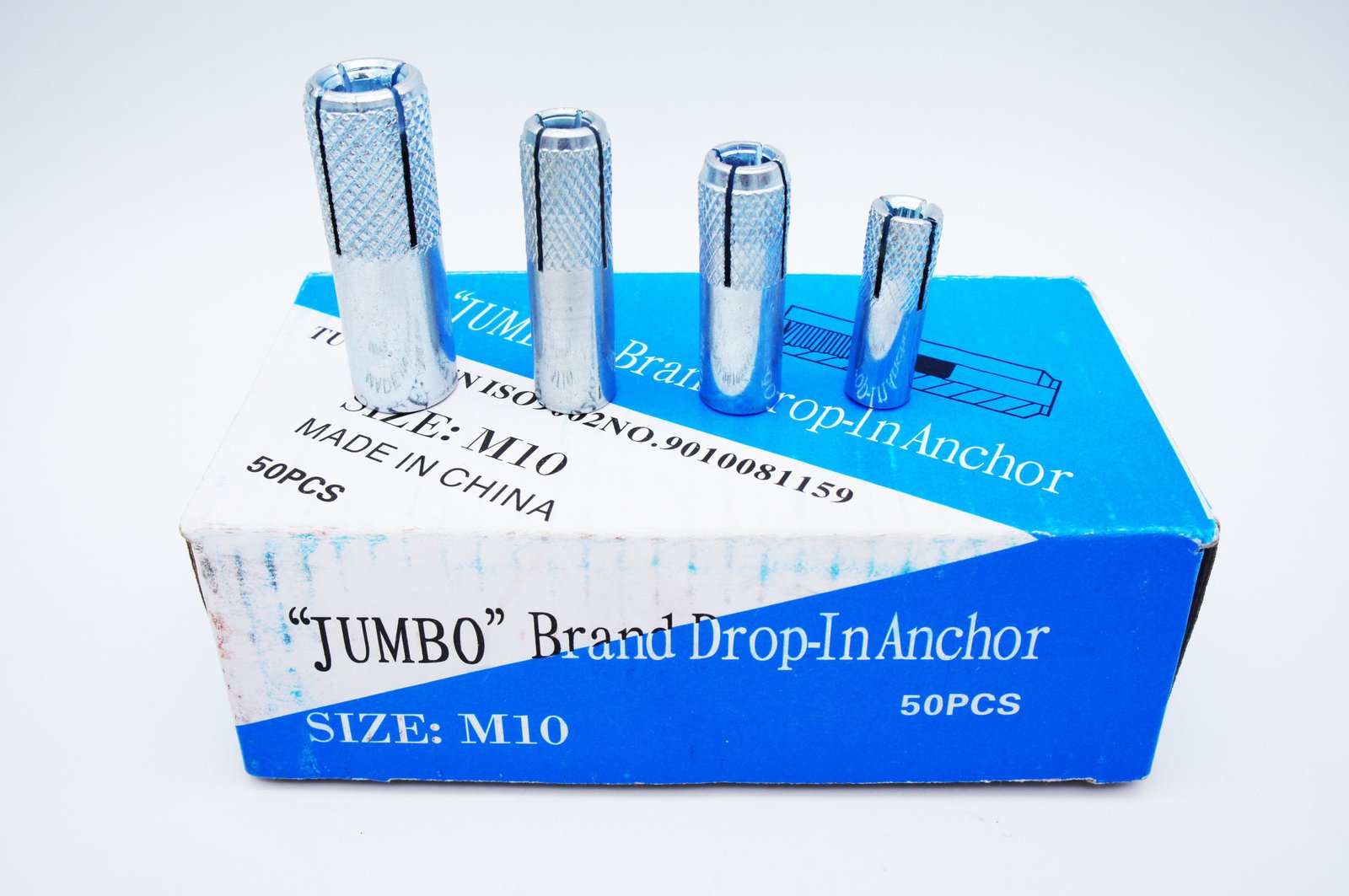
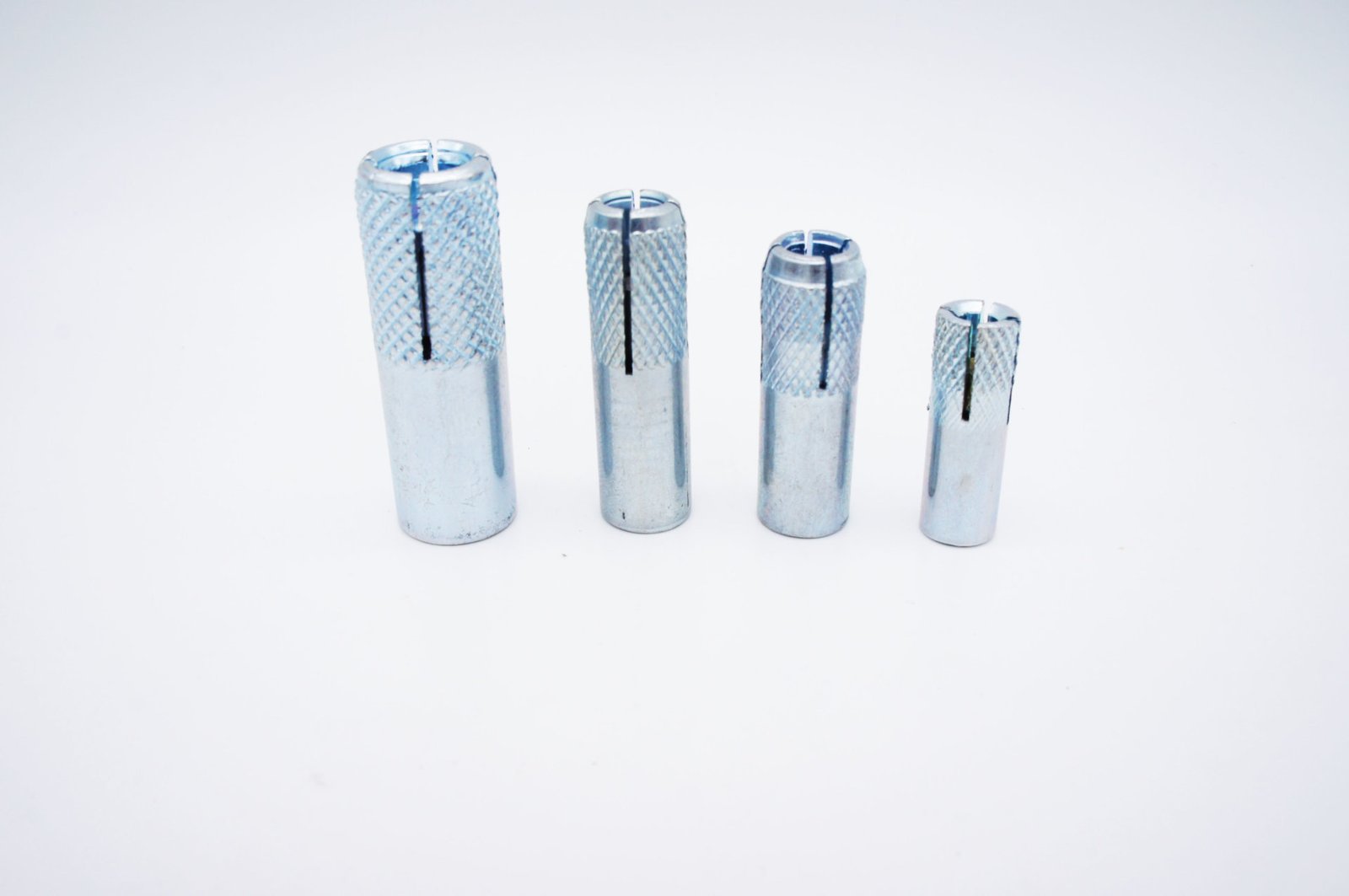
You use drop in anchors when you need a strong hold in concrete or natural stone. These anchors get bigger inside a hole that you drill first. You put the anchor in, then use a tool to push a steel piece inside. This makes the anchor expand and grab the sides tightly. The anchor stays in place because of friction, how it touches the concrete, and some chemical sticking. The ribs on the anchor help it hold better. The size of the anchor matters for how much weight it can hold. Bigger anchors can hold more because they have more area to grip. Anchors with special shapes can hold even more because they lock in place.
Strengths of Drop in Anchors
Load and Performance
Drop in anchors can hold a lot of weight for many jobs. You can trust them to keep things safe and tight in concrete and stone. Their shape helps them stay strong, even if you use them a lot. How well drop in anchors work depends on the material and how they expand. The YONGYI FASTENERS Drop in Anchor 4.8 Grade Zinc Plated unifix uses strong carbon steel and a special way to expand. This makes the anchor hold tight and work the same every time.
Material Compatibility
You can use drop in anchors in concrete and solid stone. The anchor works with different materials, so you can use it for many jobs. The zinc coating keeps the anchor from getting rusty, so it lasts longer. The DIN standard means the anchor is made with high quality. You can use the anchor inside or outside.
Removability
Drop in anchors are easy to take out. You can remove or change things without hurting the concrete or stone. This is good for jobs where you might need to move or change things later. You save time and do not need to fix the base.
Best Applications for Drop in Anchors
You can use drop in anchors for many things. Here are some common uses:
Fire equipment
HVAC systems and air conditioners
Exhaust pipes and plumbing
Electrical parts and cable trays
Overhead supports in big buildings
Tip: Pick drop in anchors when you want both strength and the choice to move things later. You get good results and easy care.
The drop in anchor is known for being strong and reliable. It is made with DIN standards, has a tough zinc coating, and good support after you buy it. You can pick M8 or M12 sizes for your job. This anchor is good for builders, contractors, and people who like to do projects themselves.
Wedge Anchors Overview
How Wedge Anchors Work
Wedge anchors are used when you need a strong hold in solid concrete. They have a steel body with a wedge-shaped end and an expansion clip. First, you drill a hole in the concrete. Next, you put the anchor into the hole. Then, you tighten the nut on top. As you turn the nut, the wedge pulls up. This makes the clip push out against the sides of the hole. The anchor grips the concrete tightly and stays in place. This design keeps the anchor from getting loose over time.
Strengths of Wedge Anchors
Load and Performance
Wedge anchors make a strong and lasting bond in solid concrete. This is important when you need to hold heavy things in place. The expansion clip grabs the hole very tightly. You can use these anchors for building and factory jobs. They are good when you need safety and strength.
Material Compatibility
You should only use wedge anchors in solid concrete. They do not work well in brick or block. They also do not work in soft materials. The anchor is made to match the hardness of concrete. This helps the anchor expand and hold tight. You get the best results if you follow the instructions for hole size and depth.
Removability
Wedge anchors are usually permanent. Once you put them in, it is hard to take them out. Removing them can break the concrete. Pick these anchors for jobs where you will not move or change things. If you need to take one out, you may have to cut it off at the surface.
Best Applications for Wedge Anchors
Wedge anchors are used in many big and heavy jobs. They are best when you need something to stay in place. Some common uses are:
Holding building parts to concrete floors or walls
Anchoring machines and equipment in factories
Fastening heavy shelves in warehouses
Supporting safety rails or barriers
Note: Always pick the right anchor for the weight and the place. Wedge anchors hold very strong in solid concrete. This makes them a great choice for tough jobs.
When you look at how to install them, wedge anchors need the right hole size and depth. But they are not as picky as drop in anchors. This can make them faster and easier to use on busy job sites.
Side-by-Side Comparison
Load Capacity
You want your project to stay safe and strong. Load capacity shows how much weight an anchor can hold before breaking. Drop in anchors support medium weights well. You use them for hanging HVAC units, fire equipment, or cable trays. They work best when you need a steady hold but not for very heavy things.
Wedge anchors are better for very heavy loads. You see them holding big machines, steel columns, or safety barriers. For example, if you want to attach a large industrial fan to a concrete floor, wedge anchors give you the strength needed. Always check the manufacturer’s details and look at ICC-ES Evaluation Reports for current standards on how well anchors perform.
Tip: Match the anchor’s load capacity to the weight of your fixture. Never guess—use the right one for the job.
Installation Process
You want your setup to be quick and correct. Drop in anchors need you to drill a hole to the right depth. You put the anchor in, then use a tool to expand it. This works best when you want a smooth finish with the concrete surface. Drop in anchors are good for overhead jobs where a flat surface matters.
Wedge anchors also need a drilled hole, but the process is a little different. You put the anchor in, then tighten the nut. As you turn the nut, the wedge expands and locks the anchor in place. You don’t need a special tool for this. This makes wedge anchors good for busy jobs where you need to install many fast.
Note: Both types need the correct hole size and depth. Always clean the hole before installing to get the best hold.
Base Material Suitability
Choose the right anchor for the material you are working with. Drop in anchors work well in solid concrete and natural stone. You can use them inside or outside. The zinc coating helps stop rust. Wedge anchors are best for solid concrete. They don’t work well in brick, block, or soft materials.
Here is a simple table to help you see which material fits each anchor:
Always check what material you are working with before choosing your anchors. For example, in cold storage, freeze-resistant anchors keep their strength. Outdoors, galvanized or stainless steel helps prevent rust.
Remember: Picking the right anchor and material keeps your project safe and lasts longer.
Removability and Reuse
You might wonder if you can take out or use anchors again. Drop in anchors let you do this easily. You can pull them out with simple tools. The concrete or stone does not get damaged. This makes drop in anchors good for jobs where things might change. For example, you may need to move fire equipment or swap out HVAC units. You can take out the anchor and use the same hole for a new one.
Wedge anchors are not the same. After you put in a wedge anchor, it stays there. Taking it out can break the concrete. You cannot use the anchor or the hole again. Wedge anchors are for jobs that will not change. Think about putting in heavy machines or safety rails. These things are not meant to move. You want them to stay strong for a long time.
Here is a table to help you compare:
Tip: Pick drop in anchors if you think you will make changes. Use wedge anchors when you want things to stay put.
Cost Factors
You should think about cost when you pick anchors. Drop in anchors usually cost less for each one. You save money if you have many things to put up. You also save time if you need to take out or change anchors. This means you spend less on work. For example, in a remodel, you can use the same holes and do not need to drill more.
Wedge anchors cost more because they hold more weight and last longer. You pay more for the anchor and to put it in. You also spend more if you need to take things out or move them. You might have to fix the concrete after taking out a wedge anchor. This makes your project cost more.
Think about all the costs, not just the price of the anchor. Look at work, materials, and if you will need to make changes later. If you work on projects that change a lot, drop in anchors help you save money. If you build something that must stay strong, wedge anchors are worth the higher price.
Note: Always think about both cost and safety. Saving money is good, but your project must be safe.
Choosing the Right Anchor
Selection Checklist
You want to pick the best anchor for your job. A checklist can help you compare different anchors. It also helps you match them to what you need. Use this table to help you decide:
Tip: Always check the anchor’s load rating, the base material, and how you put it in before you start.
You can follow these steps for easy installation: 1. Use a template to keep bolts in place when pouring concrete. 2. Cover threads with tape or grease before pouring. 3. Make sure bolts are straight with a level. 4. Clean the threads before you tighten the nuts.
Project Scenarios
Heavy Loads
You need strong anchors for heavy things like machines, steel beams, or safety rails. Wedge anchors are best for these jobs because they grip solid concrete very well. Always check the anchor’s load rating and what it is made of. For medium or heavy loads in overhead or flush jobs, drop-in anchors give a strong hold. You can trust the drop-in anchor for fire equipment, HVAC, and pipes, where safety is important.
Temporary vs Permanent
Think about how long you need the anchor to stay. For temporary or semi-permanent jobs, pick anchors you can remove easily. Drop in anchors let you move or change things without hurting the concrete. They are good for places that are hard to reach or where you need to update things often. For permanent jobs, wedge anchors give a strong hold. Use them for things that will not move, like big machines or building supports.
Overhead Use
You need anchors made for vertical loads when working overhead. Safety is very important. Drop in anchors are made for hanging things and flush jobs. They work well in ceilings, cable trays, and fire systems. The drop in anchor is a smart pick for overhead jobs, especially in cities with noise or shaking limits. Wedge anchors also work for overhead jobs, but always check the safety for each anchor.
Indoor vs Outdoor
You must match the anchor to where you use it. For indoor jobs, look for anchors that do not rust. According to industry standards such as DIN 529 and recommendations from experienced contractors, zinc-plated anchors are generally reliable for most indoor environments, maintaining long-term durability when installed correctly. Case studies from construction professionals show that proper installation ensures stability and load-bearing capacity in typical interior conditions. For outdoor jobs, pick anchors with coatings or materials that can handle weather and water, such as stainless steel or specially coated anchors. Testing according to standards like ISO 898-1 ensures that the anchor will remain strong and secure in challenging conditions. Always check if the anchor will last at your site. Here is a table to help you choose:
Remember: The right anchor keeps your project safe, saves time, and lowers costs. For jobs with tight schedules or small spaces, the drop in bolt anchor gives you both strength and flexibility.
Installation Tips and Mistakes
Drop in Anchors: Common Mistakes
You need to prepare the hole carefully when you install drop-in anchors. Many builders rush this step and end up with weak holds. If you drill a hole that is too shallow or too wide, the anchor will not expand properly. You must clean out dust and debris before placing the anchor. If you skip this, the anchor may slip or fail. Some installers forget to use the setting tool. Without this tool, the anchor does not expand fully. You should always check the depth and diameter with a gauge.
Tip: Use a vacuum or brush to clean the hole. This helps the anchor grip the concrete.
Wedge Anchors: Common Mistakes
You must pay attention to the hole size and depth for wedge anchors. If you drill a hole that is too large, the anchor will not lock in place. If you drill too deep, the anchor may spin or not tighten. Many installers do not tighten the nut enough. Loose nuts cause the anchor to shift under load. You should avoid hammering the anchor into the hole. This can damage the wedge and reduce holding power. Always follow the manufacturer's instructions for torque.
Note: Double-check the hole size before you start. This prevents costly errors.
Pro Installation Tips
You can improve your anchor installations with a few simple steps. Always mark the spot before drilling. Use a sharp drill bit to get a clean hole. Measure the depth with a ruler or gauge. Clean the hole with compressed air or a brush. Insert the anchor gently and avoid forcing it. For drop in anchors, use the setting tool to expand the anchor fully. For wedge anchors, tighten the nut to the recommended torque.
Wear safety goggles and gloves when drilling.
Test the anchor with a light pull before loading.
Record the anchor type and location for future checks.
Inspect anchors regularly in high-traffic areas.
🛠️ Pro Tip: If you work in cold or wet conditions, let the concrete dry before installing anchors. This ensures a strong hold.
You can avoid mistakes and save time by following these steps. Proper installation keeps your fixtures safe and secure. You build trust in your work when you use anchors correctly.
Application Examples
Commercial Construction
Big buildings like offices, malls, and hospitals need strong fixtures. You have to keep fire equipment, HVAC systems, and heavy pipes safe. The anchors you pick must follow safety rules. For example, fire sprinkler systems in tall buildings need anchors that stay steady in emergencies. The 4.8 grade drop in anchors is good for these jobs. Its DIN standard quality and zinc plating stop rust in busy indoor places. You can also remove it easily if you need to move or update equipment.
Tip: Always look at building plans and safety rules before picking anchors. This keeps your project safe and follows the rules.
Residential Projects
You might work on houses, apartments, or small offices. You often need to hang cabinets, put up railings, or mount air conditioners. You want anchors that are simple to use and do not hurt the walls. For example, a handrail on concrete stairs needs an anchor that holds tight but does not crack the concrete. Wedge anchors give a strong, lasting hold for railings and safety bars. If you want to move things later, drop in anchors give you more choices. Picking the right anchor saves time and stops extra repairs.
Industrial Settings
Factories, warehouses, and plants have special needs for anchors. You must keep machines, conveyor belts, and safety barriers safe. These places have heavy loads and lots of shaking. You need anchors that can handle stress and protect workers. For example, wedge anchors are best for holding big machines to concrete floors. If you need to hang cable trays or put in pipes for a short time, drop in anchors let you change things as needed. You can plan for new setups without breaking the concrete.
🏗️ Note: In factories and warehouses, check anchors often. This helps you find problems and keeps everyone safe.
Each project type needs different anchors. You make better choices when you match the anchor to the job, the weight, and whether you might change things later.
You now know how to choose the right anchors for your project. Use wedge anchors for heavy, permanent jobs. Pick drop-in anchors when you want flexibility or easy removal. Always check the checklist before you start. For complex projects, talk to a supplier or engineer.
Get Quote
Welcome To Know Our Products
Get Product and Service Information
Follow us
We provide OEM service and focus on stable quality, competitive pricing and responsive export support.


Contact Info
Add:Dongmingyang Industrial Park, Mingguan Town, Yongnian District, Handan City, Hebei Province China
Export salesman:
WhatsApp:+86 18830064300
E-mail: sales@hgtfix.com
Export salesman:
WhatsApp
+86 18830064300
E-mail:
Copyright © 2022 HEBEI YONGYI FASTENERS MANUFACTURING CO.,LTD Power by 300.cn | SEO