Welcome to Yongyi Fasteners, Your Reliable Fastener Supply Partner!

-
ProductsWe supply flat washers, spring washers, drop-in anchors, anchor bolts, hex nuts, hex bolts, sleeve anchors, threaded rods and OEM fastener products to DIN, BS, ANSI and MS standards.

-
About usHEBEI YONGYI FASTENERS MANUFACTURING CO.,LTD is located in China's largest fasteners production base Yongnian fasteners centre.
-
NewsHebei Yongyi Fasteners shares company updates, product knowledge and fastener industry news for global buyers.
-
ServiceThe products sold throughout the domestic and exported to Southeast Asia and Europe and other countries and regions. Our products win good reputation with domestic and foreign customers.



YONGYI FASTENERS
Support stable quality from material selection, processing and inspection to final delivery.
FOCUS ON HOT SPOTS


Flat Washer Selection Made Easy for DIY and Professional Projects
Published:
2026-05-12
Author:
YONGYI FASTENERS
Choose the right flat washer by matching size, material, and environment for lasting performance in DIY or professional projects.
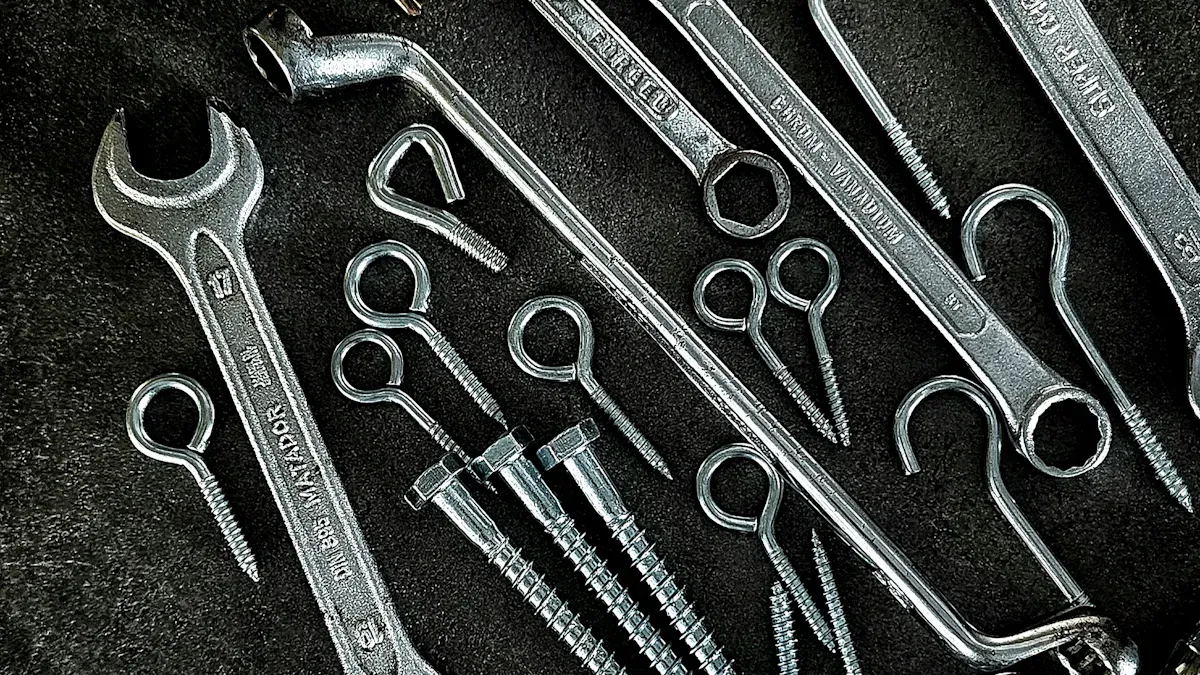
You can choose the right flat washer for your project by looking at what you need the washer to do. Check the load and environment. Match the washer material to your fastener. Measure the size carefully. Avoid mistakes by double-checking fit and material. Use a checklist to make your choice easy. This approach works for home repairs and professional jobs.
Project Requirements
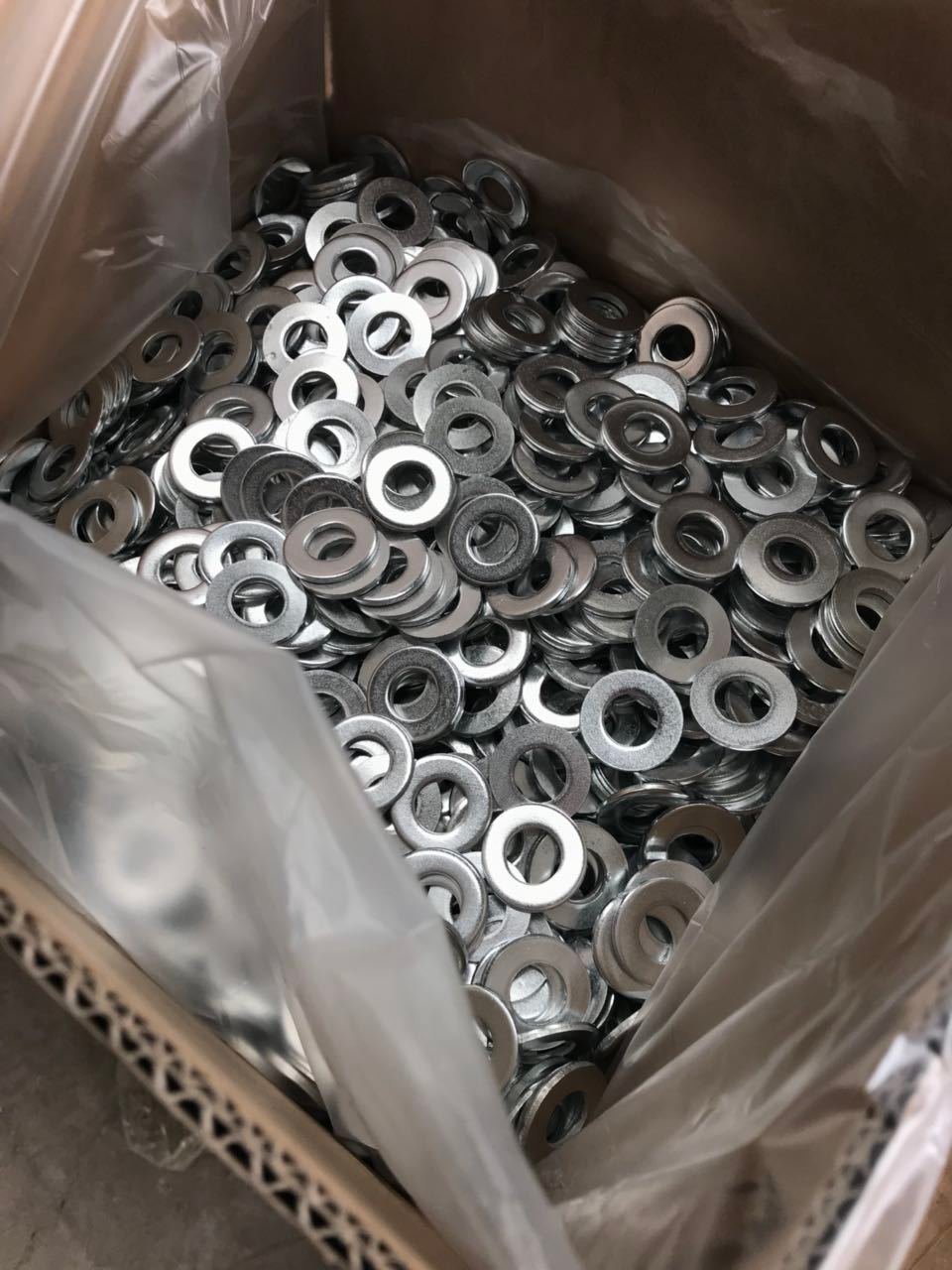
To pick the right flat washer, you need to know what your project needs. There are three things to think about: load and application, material compatibility, and environmental factors.
Load and Application
Static vs. Dynamic Loads
First, figure out if your project has static or dynamic loads. Static loads do not move, like a shelf holding books. Dynamic loads move, like a machine part that shakes. For dynamic loads, pick washers that can handle shaking and movement. If you use high-strength bolts, you need hardened washers to keep things steady.
Weight Distribution
A flat washer spreads out the force from the fastener. This helps protect surfaces and keeps things strong. If you use soft materials, pick a washer with a bigger diameter. The right size makes sure the washer fits the bolt and spreads weight evenly.
Tip: Always check the size before you buy. The right size helps your washer work well and stops problems later.
Material Compatibility
Fastener and Washer Materials
You should match the washer material to the fastener. If you use a stainless steel bolt, use a stainless steel washer too. This stops uneven wear and keeps things tight. Carbon steel washers go with carbon steel bolts. Aluminum, copper, and brass washers are good when you want less weight or need electrical conductivity.
Galvanic Corrosion
Using different metals together can cause galvanic corrosion. This happens when metals touch and there is moisture. Do not use aluminum washers with steel bolts outside. Matching materials helps stop corrosion and makes your project last longer.
Environmental Factors
Indoor vs. Outdoor
Think about where your project will be. Indoor projects do not get much moisture or big temperature changes. Outdoor projects face rain, humidity, and heat or cold. Stainless steel washers do not rust and are good for outside.
Moisture, Chemicals, Heat
If your project gets wet, has chemicals, or gets hot, pick washers that do not rust. Stainless steel and coated washers last longer in tough places. Nylon and plastic washers are good if you need insulation or chemical resistance.
The right washer helps protect your project from damage and rust. Always match the washer material to the fastener and where you use it for the best results.
Flat Washer Types & Materials
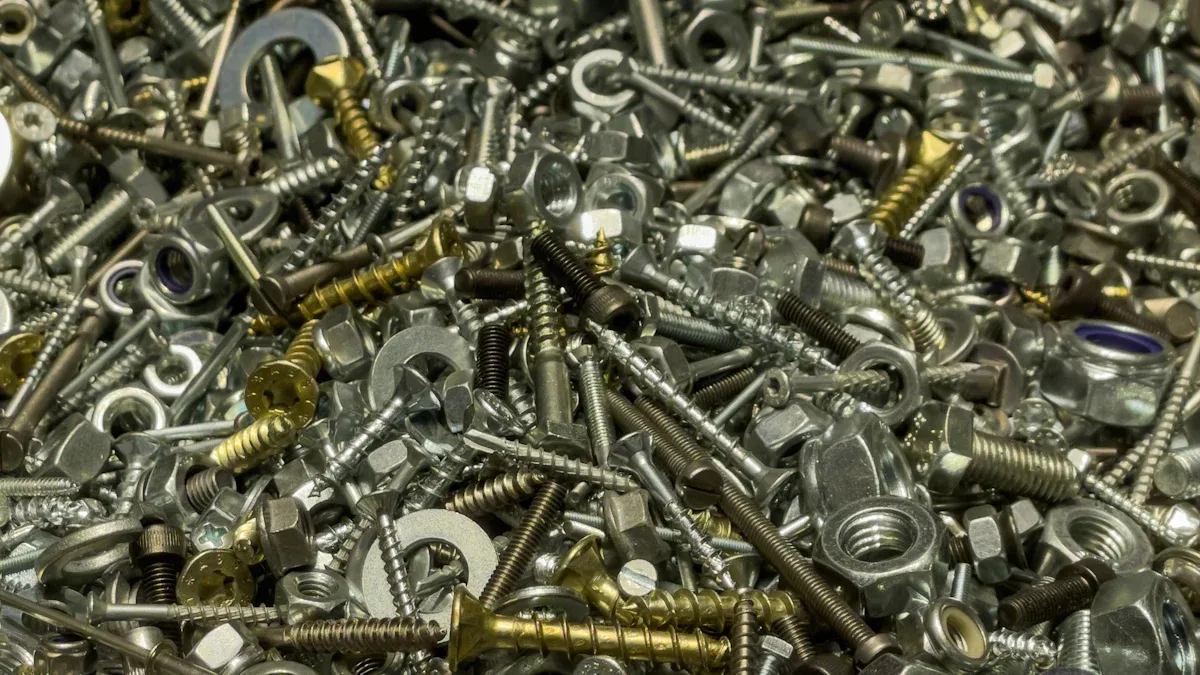
Picking the right flat washer starts with knowing about materials and standards. Each washer type is made for a certain job. You need to know which one fits your project best.
Common Materials
Flat washers come in many materials. Each material has its own benefits:
Stainless steel does not rust and works well outside or in wet places.
Carbon steel is strong and cheap for most indoor jobs.
Brass looks nice and lets electricity flow.
Aluminum is light and strong, good when weight matters.
Nylon lasts long and does not let electricity pass through.
Plastic washers like PTFE and polyethylene fight chemicals and stay bendy.
Tip: Use stainless steel or coated washers outside to stop rust.
Carbon Steel
Carbon steel washers are good for most jobs. They are strong and save money. These washers are best indoors or where rust is not a big worry.
Stainless Steel
Stainless steel washers do not rust and last a long time. Pick them for outside jobs or places with water. They also handle heat and chemicals better than many other washers.
Aluminum, Copper, Brass
Aluminum washers are light and strong. Brass and copper washers let electricity flow, so use them for electrical work. Brass also fights rust and looks good.
Nylon, Plastic
Nylon and plastic washers do not rust. They block electricity and fight many chemicals. Use them when you need a washer that is not metal.
Flat Washer Standards
Flat washers follow rules called standards. These rules help you pick the right size and fit.
DIN125, DIN9021
DIN125 and DIN9021 are two common standards. DIN125 washers have a normal outer size. DIN9021 washers have a bigger outer size, so they spread force more.
You can learn more about washer standards at ISO Fastener Standards.
Type A vs. Type B
Type A washers fit most jobs and have loose rules. Type B washers fit tighter and come in narrow, regular, or wide sizes. Use Type B when you need a washer to fit just right.
Specialty Flat Washers
Some jobs need special washers. These washers fix special problems.
Fender Washers
Fender washers have a much bigger outer size. Use them to spread force over soft or thin stuff. They help stop pull-through and damage.
High-Strength, Coated Washers
High-strength washers work with heavy loads or strong bolts. Coated washers, like zinc or epoxy, stop rust and fight galvanic corrosion. Use these in tough places or when mixing metals.
Note: If you need a flat washer for sealing or pressure vessels, you can pick carbon steel, aluminum, copper, or stainless steel from our brand.
Flat Washer Material Quick Reference
Metal Washers: Stainless steel, carbon steel, brass, aluminum
Coated Washers: Zinc, nickel, epoxy
Plastic Washers: Nylon, PTFE, polyethylene
This table helps you match washer material to your job:
Now you can pick the right flat washer by matching material, standard, and type to your project.
Washer Selection Steps
Picking the right washer takes more than grabbing any washer. You need to measure and match it carefully. Follow these steps to make sure your washer fits and lasts.
Flat Washer Sizing
The first thing to do is get the size right. Washers come in many sizes for different bolts. You need to check three main things.
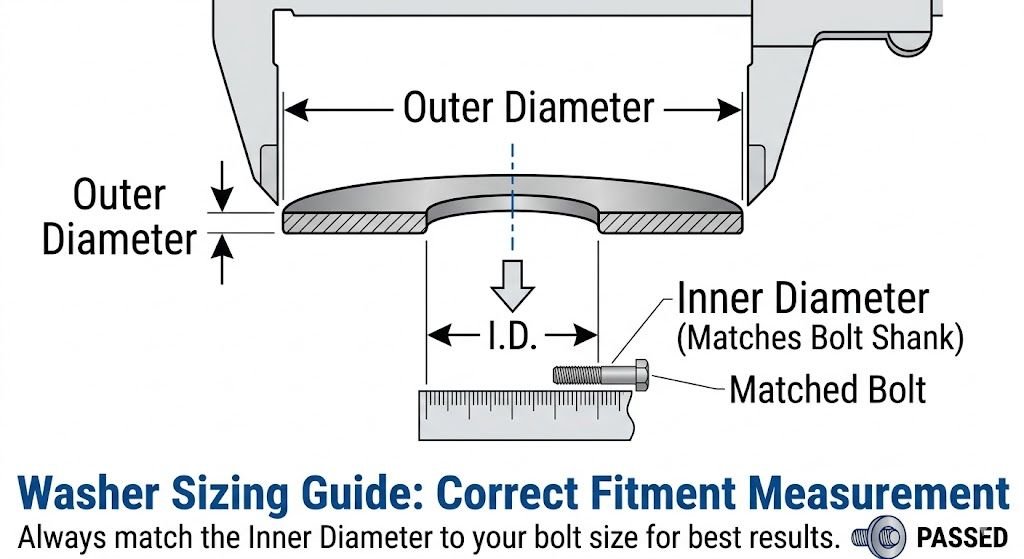
Inner Diameter
The inner diameter is the hole in the middle. It should fit tightly around your bolt or screw. If the hole is too big, the washer will not hold the load. If it is too small, it will not fit at all.
Outer Diameter
The outer diameter is the full width of the washer. A bigger outer diameter spreads the load over more space. This helps protect soft things and stops damage. For soft wood or thin metal, pick a washer with a bigger outer diameter.
Thickness
Washer thickness changes how strong it is. Thicker washers can take more force and do not bend easily. For heavy jobs, use a thicker washer. For light jobs, a thin washer is fine.
Tip: Always check the washer’s size before you buy. A good fit helps your washer work better and last longer.
Washer Sizing Chart Example
Always match the washer size to your bolt size for best results.
Washer Sizing Illustration
Measuring for Fit
You need the right tools to measure washers and bolts. Here are some good ways:
A ruler can measure length, diameter, and thread space.
A measuring tape works for both metric and inch units.
You can trace the fastener on paper to remember the size.
You can match with other hardware if you do not have tools.
Using Calipers
Calipers give the most exact measurements. Put the washer between the jaws and read the inner and outer diameters. Use the depth rod to check thickness. This tool helps you avoid mistakes and get a perfect fit.
Matching Fastener Size
Always match the washer to your fastener. If you use an M8 bolt, pick a washer with an 8.4 mm inner diameter. Check the fit by sliding the washer onto the bolt. It should move easily but not shake.
Note: Good measurement stops loose fits and keeps your project safe.
Finish and Coating
The finish on a washer keeps it from rusting and wearing out. Different coatings work better in different places.
Zinc-Plated
Zinc-plated washers fight rust and work well inside or outside when it is not too wet. The zinc layer protects against water.
Black Oxide, Specialty Coatings
Black oxide gives a shield and a nice look. Special coatings like PTFE or hot-dip galvanizing give even more protection in tough places. These finishes help your washer last longer and keep your project safe.
For more about washer standards and coatings, visit the American Society of Mechanical Engineers (ASME) B18.22.1 Standard.
If you follow these steps, your flat washer will fit, last, and protect your project. If you need washers for sealing or pressure vessels, our brand has carbon steel, aluminum, copper, and stainless steel choices.
Common Mistakes
Picking the right flat washer stops problems that can make your project weak or break. Many people mess up by choosing the wrong size, material, or not thinking about where the washer will be used. You can stop these mistakes if you know what to look for.
Wrong Size
Oversized or Undersized
The size of the washer is important. If you choose the wrong size, your project might not work right. The washer must fit your bolt or screw.
If the washer is too big, it cannot hold things still. This makes your project shaky. Parts can move or get loose after a while.
If the washer is too small, it puts too much stress in one spot. The washer cannot spread out the force. This can make things weak and cause damage.
Tip: Always measure the inside and outside of the washer. Check how thick it is so it fits your fastener and helps your project.
Incompatible Materials
Material Mismatch
Using the wrong washer material can cause problems. You should use the same material for the washer and the fastener.
If you mix metals, one can wear out faster. For example, a carbon steel washer with a stainless steel bolt can rust quickly.
Galvanic corrosion happens when different metals touch and get wet. This makes the connection weak and your project will not last as long.
Note: Using the same materials helps stop rust and keeps your project strong.
Ignoring Environment
Corrosion, Wear Issues
Where you use the washer matters a lot. If you do not think about this, your project can rust, wear out, or break.
Water can make steel washers rust if they are not coated.
Chemicals can ruin some plastics and metals.
High heat can bend or weaken washers that are not made for hot places.
You need to pick washers that match where you will use them. Stainless steel is good for outside. Nylon is good if there are chemicals. Coated washers help stop water damage.
🛠️ If you need washers for sealing or pressure vessels, our brand has carbon steel, aluminum, copper, and stainless steel choices.
If you make mistakes picking washers, you might have to fix things or your project could be unsafe. You can stop these problems by checking the size, material, and where you will use the washer before you buy it.
Quick Reference
Washer Selection Checklist
This checklist helps you pick the right flat washer. Follow each step so you do not make mistakes. You will get good results.
Identify the Application
Ask yourself if the load moves or stays still.
Decide if you need extra strength or just basic support.
Match Materials
Try to use the same material for washer and fastener.
If you mix metals, check for galvanic corrosion.
Check the Environment
Will the washer get wet, face chemicals, or heat?
Use stainless steel or coated washers for tough places.
Pick nylon or plastic if you need insulation or chemical resistance.
Measure for Fit
Measure the bolt or screw diameter.
Choose a washer with the right inner diameter.
Make sure the outer diameter covers enough area.
Pick the thickness that matches your load.
Select the Right Standard
DIN125 is good for regular jobs.
DIN9021 or fender washers work for soft or thin materials.
Pick the Finish
Zinc-plated washers help stop rust.
Black oxide or special coatings give extra protection.
✅ Tip: Always double-check your measurements before buying. Small mistakes can cause bad fits or make washers fail early.
Application Table
This table shows which washer type and material fit your project. Find your project and see the best choices.
🛠️ For sealing or pressure vessels, you can pick carbon steel, aluminum, copper, or stainless steel washers from our brand.
Use this quick reference to save time and avoid mistakes. You will make smart choices for any DIY or professional project.
You can pick the right flat washer by using easy steps. First, think about what your project needs. Match the washer’s type, material, and size to your bolt and where you will use it. The checklist and table help you choose fast. This way, you avoid mistakes and keep your project strong. These tips make picking washers simple and safe for any job.
FAQ
What size flat washer should you use for your bolt?
Pick a washer with an inner diameter that matches your bolt. For example, use an M8 washer with an M8 bolt. Always check both the inner and outer diameters to make sure it fits well.
Can you mix washer and fastener materials?
Do not mix different metals together. Mixing metals can cause galvanic corrosion, especially outside or in wet places. Try to use the same material for both washer and fastener whenever you can.
When do you need a fender washer?
Use a fender washer when you want to spread force over a bigger area. These washers are good for soft materials like wood or thin metal. They help stop pull-through and keep things from getting damaged.
How do you prevent washers from rusting outdoors?
Pick stainless steel or coated washers for outside jobs. Zinc-plated or hot-dip galvanized finishes help stop rust. Always check where you will use the washer before you pick one.
What is the difference between DIN125 and DIN9021 washers?
DIN125 washers have a regular outer diameter. DIN9021 washers have a larger outer diameter to spread force better. Use DIN9021 washers for softer materials or when you need more surface coverage.
Do nylon or plastic washers work for high-heat applications?
Nylon and most plastics do not work well in hot places. For high heat, use stainless steel or copper washers. Always check the temperature rating before you pick a washer.
How do you measure a washer if you do not have calipers?
You can use a ruler or measuring tape to check the inner and outer diameters. Put the washer on a flat surface to measure it. Compare it to your bolt or screw to see if it fits.
Where can you find official washer standards?
You can find official washer standards on the ISO website or from the American Society of Mechanical Engineers. These resources help you pick the right washer for your project.
Get Quote
Welcome To Know Our Products
Get Product and Service Information
Follow us
We provide OEM service and focus on stable quality, competitive pricing and responsive export support.


Contact Info
Add:Dongmingyang Industrial Park, Mingguan Town, Yongnian District, Handan City, Hebei Province China
Export salesman:
WhatsApp:+86 18830064300
E-mail: sales@hgtfix.com
Export salesman:
WhatsApp
+86 18830064300
E-mail:
Copyright © 2022 HEBEI YONGYI FASTENERS MANUFACTURING CO.,LTD Power by 300.cn | SEO