Welcome to Yongyi Fasteners, Your Reliable Fastener Supply Partner!

-
ProductsWe supply flat washers, spring washers, drop-in anchors, anchor bolts, hex nuts, hex bolts, sleeve anchors, threaded rods and OEM fastener products to DIN, BS, ANSI and MS standards.

-
About usHEBEI YONGYI FASTENERS MANUFACTURING CO.,LTD is located in China's largest fasteners production base Yongnian fasteners centre.
-
NewsHebei Yongyi Fasteners shares company updates, product knowledge and fastener industry news for global buyers.
-
ServiceThe products sold throughout the domestic and exported to Southeast Asia and Europe and other countries and regions. Our products win good reputation with domestic and foreign customers.



YONGYI FASTENERS
Support stable quality from material selection, processing and inspection to final delivery.
FOCUS ON HOT SPOTS

Hex Head Screws vs Other Fasteners Which Is Best
Published:
2026-05-11
Author:
YONGYI FASTENERS
A hex head screw features a six-sided head for strong torque and easy tool use. See how it compares to other fasteners and which is best for your project.
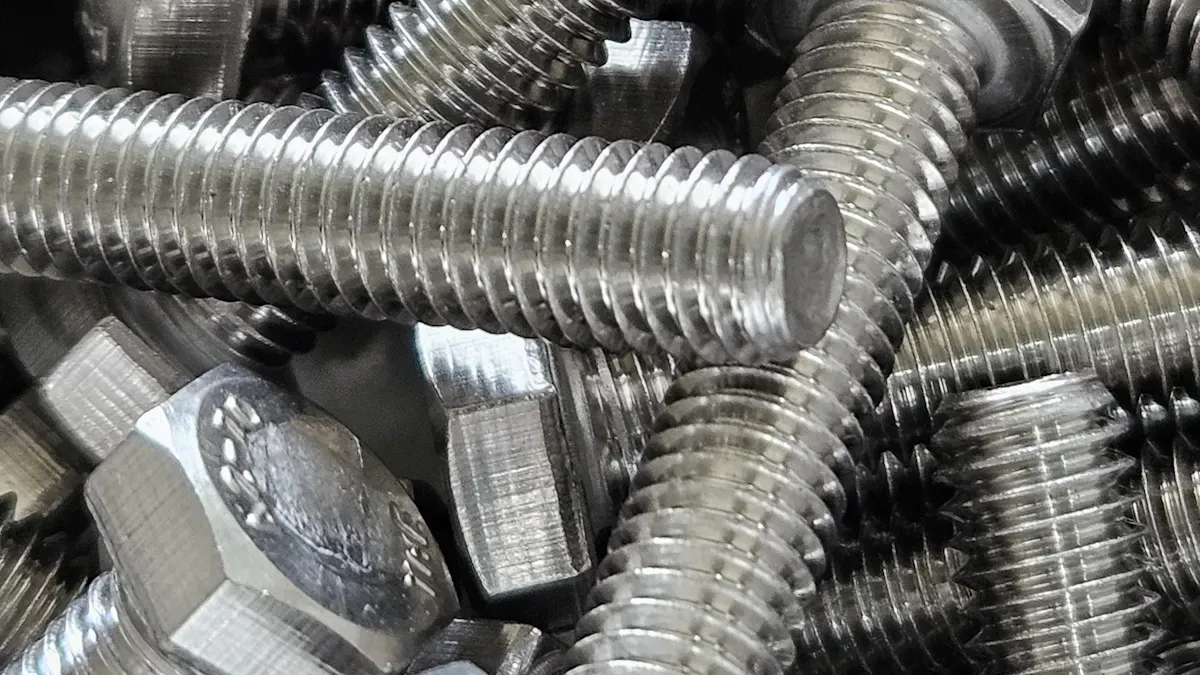
You need to pick the right fastener for each project. Your choice depends on things like strength and how you put it in. The materials you use also matter. Many people choose a hex head screw for strong torque and tight fastening. This is helpful when there is a lot of vibration. You can use a wrench or socket to tighten or loosen these screws. Always think about what you need for your project before picking a fastener.
What Is a Hex Head Screw
Hex Head Screw Design
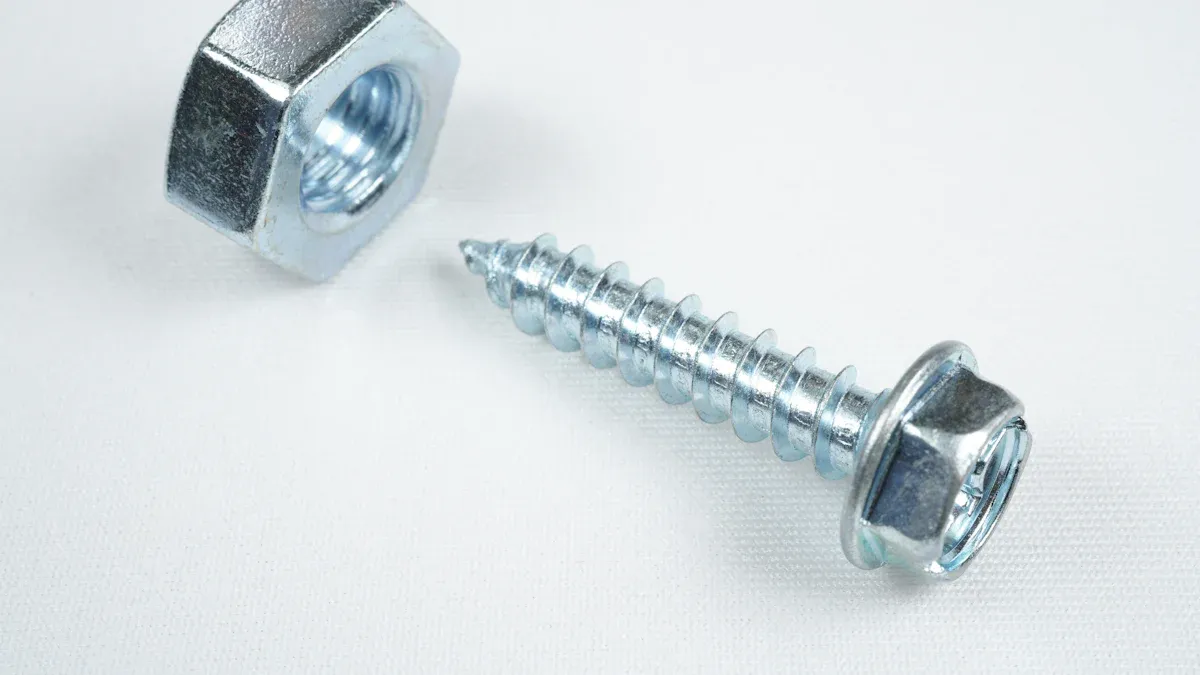
A hex head screw has a special six-sided head. This shape works well with wrenches and sockets. You can turn the screw hard without hurting it. Hex head screws are good for strong connections. The threads on the shaft hold tight in metal, wood, or plastic. This keeps the screw from coming loose when things shake.
Tip: The six sides help you put in the screw even in small spaces. You can use your tool from more than one direction.
Here is a simple chart showing how the shape helps with tools:
| Feature | Description |
|---|---|
| Shape | Six-sided head fits hexagonal sockets |
| Common Uses | Used for bikes, furniture, and machines |
| Torque Handling | Handles lots of force without getting damaged |
| Applications | Used in flat-pack furniture and big machines |
How Hex Head Screws Are Used
You can use a hex head screw in many ways. You can put it in holes that are already there. You can also let it make its own threads in soft stuff. This makes your work faster and easier. You use a wrench or socket to turn the screw. This gives you better control over how hard you turn it. It helps stop damage to the screw or what you are working on.
You see hex head screws in building, machines, and cars. They are used for steel frames, wheel studs, and engine mounts. People use them when they need something strong and safe.
Common Applications for Hex Head Screws
Hex head screws are picked for tough jobs. You see them in boats, marine work, and chemical plants. They are used in medicine and food factories where rust is a problem. You find them in places near the ocean, water plants, and paper mills. They are also used in pool gear and outdoor machines.
Here are some examples from building and car work:
| Sector | Application Examples |
|---|---|
| Construction | Used for steel frames |
| Automotive | Used for wheel studs and engine mounts |
You pick a hex head screw when you need it to handle shaking, water, or chemicals. You know your project will stay strong and last a long time.
Types of Screws and Fasteners
Hex Screw vs Hex Bolt
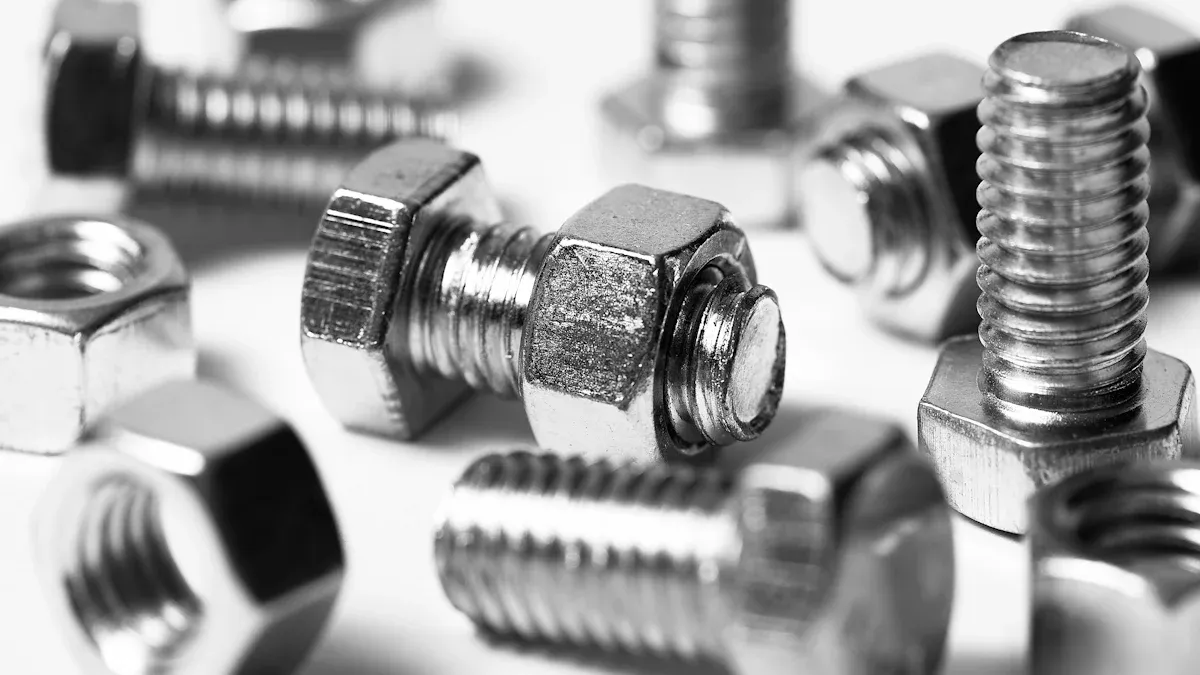
You often need to choose between a hex screw and a hex bolt. Both fasteners have a six-sided head, but their structure and use differ. A hex screw usually has threads along its entire shaft. You can drive a hex screw directly into material, sometimes even without a pre-drilled hole. This makes installation quick and easy. You use a wrench or socket to turn the hex screw, giving you strong torque and a secure fit.
A hex bolt has a larger, thicker head. You use a hex bolt with a nut and a pre-drilled hole. The hex bolt often has partial threading, leaving a smooth shank for extra strength. You need to use both a wrench and a nut to install a hex bolt. This method works well for heavy-duty connections.
Note: You pick a hex screw when you want fast installation and strong grip. You choose a hex bolt for structural strength and when you need to use a nut.
Here is a table showing the differences:
| Feature | Hex Bolts | Hex Screws |
|---|---|---|
| Head Design | Larger, thicker | Six-sided, sometimes with flange |
| Threading | Partial, smooth shank | Usually full, can self-drill |
| Installation | Needs nut and pre-drilled hole | Drives directly, self-drilling |
Carriage Bolt
You use a carriage bolt when you need a smooth surface on one side. The carriage bolt has a rounded head and a square section under the head. This square section grips wood and stops the bolt from turning. You install a carriage bolt through a pre-drilled hole and secure it with a nut. The hex screw, in contrast, has a six-sided head and works with wrenches.
Carriage bolts are ideal for furniture and projects where you want a clean look. The rounded head makes it hard to tamper with the bolt. You use a hex screw when you need to adjust or remove the fastener often.
Here is a comparison:
| Feature | Carriage Bolts | Hex Screws |
|---|---|---|
| Head Shape | Rounded, square section for grip in wood | Six-sided head for wrench use |
| Installation | Pre-drilled hole, nut on threaded end | Driven from head with wrench or socket |
| Use Case | Smooth surface, furniture | Frequent adjustments, maintenance |
| Security | Harder to tamper with | Easier to access for tightening/removal |
Phillips Head Screw
You use a Phillips head screw for projects that need torque control. The Phillips head screw has a cross-recessed drive. This design lets the screwdriver slip out when you apply too much force. This feature helps prevent overtightening and damage. You find Phillips head screws in electronics, appliances, and light fixtures.
The hex screw does not have this cam-out feature. You get a more secure grip with a hex screw, which reduces the chance of stripping the head. You use a hex screw when you need high torque and a strong connection.
Tip: Use a Phillips head screw when you want to avoid overtightening. Choose a hex screw for jobs that need strong torque and a tight fit.
You see many types of fasteners in projects. Nails are also common. Here is a table showing nail types:
| Types of Most Commonly Used Nails | Features & Uses |
|---|---|
| Common Nails | Thick shank, wide head; Used for framing |
| Box Nails | Thinner shank; Best for lighter construction |
| Framing Nails | Structural lumber connections; Common sizes 16d, 10d |
| Sinker Nails | Vinyl/cement-coated; Easier driving in framing |
| Joist Hanger / Connector Nails | Fasten joist hangers, hurricane ties; Structural |
You need to match the fastener to your project. The hex screw gives you strength and easy installation. You use a hex screw for machines, vehicles, and construction. You pick a hex screw when you want a secure fit and quick work. You rely on a hex screw for jobs that need frequent adjustments. You choose a hex screw for projects exposed to vibration. You use a hex screw for outdoor gear and pool equipment. You select a hex screw for marine and chemical environments. You trust a hex screw for food factories and medical devices. You use a hex screw for steel frames and engine mounts. You pick a hex screw for wheel studs. You use a hex screw for paper mills and water plants. You rely on a hex screw for places near the ocean. You choose a hex screw for furniture that needs strong joints. You use a hex screw for assemblies that require maintenance. You select a hex screw for projects where rust is a concern. You trust a hex screw for outdoor machines. You use a hex screw for pool gear. You pick a hex screw for construction jobs. You rely on a hex screw for automotive work. You choose a hex screw for machinery. You use a hex screw for bikes. You select a hex screw for flat-pack furniture.
Lag Screw
You use a lag screw when you need to fasten heavy lumber or secure materials to wood. Lag screws, also called lag bolts, have a thick, sturdy body and deep, coarse threads. You drive them with a wrench or socket, not a screwdriver. The hex head gives you a strong grip and lets you apply high torque.
Lag screws work well for building decks, wooden beams, and outdoor structures. You often see them in playground equipment, fences, and retaining walls. You choose a lag screw when you need to hold a lot of weight or resist pulling forces.
Tip: Always drill a pilot hole before installing a lag screw. This step prevents wood from splitting and makes driving the screw easier.
Here is a quick comparison:
| Feature | Lag Screw | Hex Head Screw |
|---|---|---|
| Head Shape | Hexagonal | Hexagonal |
| Thread Type | Deep, coarse | Machine or self-tapping |
| Material | Wood, heavy timber | Metal, wood, plastic |
| Tool Needed | Wrench or socket | Wrench, socket, or driver |
| Common Use | Decks, beams, heavy structures | Machinery, vehicles, furniture |
You pick lag screws for projects that need extra holding power. You rely on them for safety in load-bearing applications. You avoid using lag screws in thin or brittle materials.
Other Common Fasteners
You have many other fastener options for different jobs. Each type serves a unique purpose. Here are some you may use:
Wood Screws: You use these for joining pieces of wood. The tapered body and sharp point help them grip wood fibers.
Sheet Metal Screws: You pick these for fastening metal sheets. The threads cut into metal for a tight hold.
Machine Screws: You use these with nuts or tapped holes in metal parts. They come in many sizes and head types.
Self-Tapping Screws: You choose these when you want the screw to cut its own thread in the material. They save time in assembly.
Drywall Screws: You use these for attaching drywall to wood or metal studs. The bugle head prevents tearing the paper surface.
Note: Always match the fastener to your material and load needs. Using the wrong type can lead to weak joints or damage.
Here is a summary table:
| Fastener Type | Best For | Tool Needed |
|---|---|---|
| Wood Screw | Wood joints | Screwdriver |
| Sheet Metal Screw | Thin metal | Screwdriver |
| Machine Screw | Metal parts, machinery | Screwdriver, wrench |
| Self-Tapping Screw | Quick assembly | Screwdriver |
| Drywall Screw | Wallboard installation | Screwdriver |
You improve your project’s strength and safety by choosing the right fastener. You save time and avoid repairs when you select carefully.
Comparing Hex Head Screws to Other Fasteners
Head Design and Tool Use
You notice the head design first when you compare fasteners. Hex head screws have a six-sided head. This shape lets you use a wrench or socket from many angles. You get a firm grip and can apply more force without slipping. Phillips head screws use a cross-shaped slot. You need a matching screwdriver, but the tool can slip out if you turn too hard. Lag screws also use a hex head, but they are thicker and made for wood.
When you work in tight spaces, the hex head gives you more options. You can reach the screw from the side or above. This helps you finish jobs faster and with less effort. If you need to remove or adjust the fastener later, the hex head makes it easy. You do not risk stripping the head as often as with Phillips or slotted screws.
Tip: Choose hex head screws for projects where you need strong torque and easy access for tools.
Strength and Load Capacity
You want your fastener to hold strong under pressure. Hex head screws stand out for their high load capacity. You see them used in heavy machinery, steel frames, and automotive parts. The table below shows how much force different fasteners can handle:
| Fastener Type | Load Capacity |
|---|---|
| Hex Head Screw (M64 Class 10.9) | Up to 1500 kN |
| Steel Rivet (1") | Up to 100 kN |
Hex head screws can handle much more weight than rivets or standard wood screws. You pick them for jobs that need to resist vibration, pulling, or twisting. If you build a deck, fix a car, or assemble a steel structure, you want a fastener that will not fail. You can find more technical details about fastener strength on Engineering Toolbox.
Installation and Removal
You care about how fast and easy you can finish your project. The installation process changes depending on the fastener you choose. Hex head screws often do not need a pilot hole, especially in softer materials. You use a wrench or socket to drive them in quickly. Phillips head screws usually need a screwdriver and can slip if you use too much force. Lag screws require a pilot hole and take longer to install because you need to use a ratchet wrench.
Here is a table that compares installation steps and time:
| Screw Type | Pilot Hole Required | Install Time per Fastener | Drive Recess and Cam-out Resistance |
|---|---|---|---|
| Modern Structural Wood Screw | No, up to 8 mm | ~5 seconds, impact driver | Torx T25/T30, very high |
| Traditional Tapered Wood Screw | Yes, root diameter | ~15 seconds with pilot hole | Phillips or slotted, low to medium |
| Lag Bolt | Yes, 70% of shank | ~30+ seconds, ratchet wrench | Hex head, no cam-out possible |
You save time with hex head screws because you can skip some steps. You also avoid damaging the screw head during installation. If you need to remove the fastener for repairs or upgrades, the hex head design makes it simple. You do not waste time or risk breaking your tools.
Note: Always match your installation method to the material and the fastener type. This helps you avoid mistakes and keeps your project safe.
Cost and Availability
When you pick a fastener, price and how easy it is to find are important. Hex head screws come in many price ranges. You can buy them from cheap sellers, regular factories, or top suppliers. Each place has different quality and prices.
| Supplier Type | Price Range ($/1,000) | Typical Rejection Rate |
|---|---|---|
| Bargain trader (AliExpress-style) | $78–$95 | 8–15% |
| Mid-tier factory (domestic) | $115–$135 | 2–4% |
| Certified hybrid supplier | $140–$165 | under 0.8% |
You spend less with bargain sellers, but you might get more bad screws. Regular factories cost a bit more, but you get better screws. Top suppliers charge the most, but you get the best quality. For important jobs, you want strong and safe screws.
Hex head screws are easy to find in hardware stores. Most stores have many sizes, especially for 304 stainless steel. You almost never need to special order these. For 316 stainless steel, you can get normal sizes fast, but special sizes might take longer.
| Bolt Type | Common Sizes in Stock | Special Orders Needed |
|---|---|---|
| 304 | Most sizes | Rarely |
| 316 | Standard sizes | Sometimes |
This makes your work easier because you do not wait for parts. If you build things, fix cars, or work on boats, you can find hex head screws when you need them.
Other fasteners, like special bolts or rare screws, usually cost more and are harder to find. You might have to order them early or pay extra for shipping. This can slow down your work and make it cost more.
Tip: Always check your local store for what they have before you start. This helps you finish on time and not spend too much.
You get the best deal when you pick the right fastener for your job. For most projects, hex head screws give you good prices, strong quality, and are easy to buy.
Pros, Cons, and Best Uses
Hex Head Screw Advantages
Hex head screws have many good points. The six-sided head lets you use a wrench or socket. You can turn the screw hard without slipping. This helps you finish your work faster. The head fits well with nut drivers. Hex head screws are great for strong jobs. They hold things tight and do not strip easily. Your tools and materials stay safe.
Hex head screws let you use lots of force.
The head shape makes it easy to use tools.
You get a tight hold without hurting the screw.
Hex head screws do not loosen when things shake.
Tip: Pick hex head screws for machines, cars, or outdoor builds when you need a strong hold.
Hex Head Screw Disadvantages
There are some problems with hex head screws. Stress can build up near the head. This might round off or strip the hex socket. You must line up the screw just right. The head does not center itself. If you go too fast, you can hurt the screw or the thing you are working on.
Too much stress can round or strip the hex socket.
You need to line up the screw carefully.
Hex head screws may not fit in small or deep spaces.
You might need more tools to put them in or take them out.
Note: Always check the fit and line up the screw before you start. This keeps your work safe and strong.
When to Use Other Fasteners
Sometimes you need a different fastener. If you use thin stuff or want a flat look, try Phillips head screws or flat-head screws. Carriage bolts give a smooth top and are good for wood or furniture. Lag screws hold heavy wood and work outside. Machine screws are best for metal and need careful threading.
| Fastener Type | Best Use Scenario | Why Choose It? |
|---|---|---|
| Phillips Head | Electronics, light fixtures | Stops you from overtightening |
| Carriage Bolt | Furniture, wood joints | Smooth top, hard to tamper with |
| Lag Screw | Decks, beams, playgrounds | Holds heavy wood very well |
| Machine Screw | Metal parts, machinery | Fits tight, many head shapes |
Callout: Always pick the right fastener for your material, weight, and how you put it in. This makes your project safer and last longer.
You make your project better when you know the good and bad of each fastener. Use hex head screws for strong jobs. Pick other types when your work needs something different.
How to Choose the Right Screw or Fastener
Project and Material Considerations
You start by looking at your project’s needs and the materials you plan to join. Each material—wood, metal, plastic—reacts differently to screws and fasteners. For wood, you want a screw with deep threads that grip fibers. For metal, you need machine threads that match tapped holes or nuts. Plastics often need special threads to avoid cracking.
You also need to think about corrosion. If your project faces moisture or chemicals, stainless steel or coated fasteners work best. For most jobs, SS 18-8 gives you moderate corrosion resistance. If you build near saltwater or chemicals, SS 316 stands up better.
| Material | Corrosion Resistance | Application Environment |
|---|---|---|
| SS 18-8 | Moderate | General use |
| SS 316 | High | Marine, chemical exposure |
SS 18-8 fits most corrosive environments.
SS 316 works well for saltwater, chemicals, and harsh exposure.
You also match the fastener’s thread type and size to your material. If you use the wrong thread, you risk loose joints or stripped holes. Always check the fit before you start.
Tip: For more details on matching fasteners to materials, visit ISO Fastener Standards.
Load and Strength Needs
You must know how much weight or force your fastener will handle. If you pick a screw that is too weak, your joint can fail. If you choose one that is too strong, you may spend more than needed. Always balance safety and cost.
Fasteners come in different grades. Each grade has a minimum tensile strength. You use this number to match the fastener to your project’s load.
| Fastener Grade | Minimum Tensile Strength (PSI) | Application Type |
|---|---|---|
| Grade 2 | 60,000–74,000 | Light-duty, non-critical |
| Grade 5 | 120,000 | Automotive, general structural |
| Grade 8 | 150,000 | Heavy machinery, high-stress |
If you build furniture, Grade 2 may be enough. For car repairs or building frames, Grade 5 gives you more strength. For heavy equipment or high-stress jobs, Grade 8 is the best choice.
You also need to think about vibration. If your project shakes or moves, use lock washers or thread-locking compounds. These keep screws from loosening over time.
Callout: Always check the load and stress your fastener will face. The right choice keeps your project safe and strong.
Tool Compatibility
You save time and avoid frustration when you match your fastener to the tools you have. Hex head screws work with wrenches and sockets. You get more torque and a better grip. Phillips head screws need a matching screwdriver. If you use the wrong tool, you can strip the head or damage your project.
Some fasteners need special drivers, like Torx or square drives. These give you more control and reduce slipping. Before you start, check your toolbox. Make sure you have the right tools for your chosen fastener.
| Fastener Type | Common Tool Needed | Ease of Use |
|---|---|---|
| Hex Head Screw | Wrench, socket | High |
| Phillips Head | Phillips screwdriver | Medium |
| Torx/Square Drive | Torx/square driver | High |
Note: Using the right tool not only makes your job easier but also protects your fastener and material from damage.
You make better choices when you consider your project, the load, and your tools. This approach helps you finish your work faster and with fewer problems.
Environmental Factors
You need to think about where you will use your fasteners. Weather, water, chemicals, and temperature changes can affect how well they work. If you do not think about these things, your project might not last long.
Saltwater, rain, and wet air can make many fasteners rust. Rust makes them weak. If you work near the ocean or in a water plant, you need a screw that does not rust easily. Stainless steel 316 hex head screws are best for these places. The molybdenum in SS 316 helps stop rust and damage. This is why people use it for boats, chemical plants, and outdoor jobs. SS 18-8 screws look the same, but they do not last as long in tough places. If you pick the wrong kind, your project might break early.
Chemicals in factories or cleaning products can also hurt fasteners. You should find out what chemicals your project will touch. If you think there will be chemicals, pick a fastener that can handle them. Stainless steel 316 is good for food factories, medical tools, and chemical plants.
Big changes in temperature can make metal grow or shrink. Some fasteners get weak or break in very hot or cold weather. You should pick a material that works for your weather. Stainless steel can handle most temperature changes and still work well.
Here is a simple chart to help you pick the right fastener for your environment:
| Environment | Best Fastener Material | Why Choose It? |
|---|---|---|
| Marine/Saltwater | Stainless Steel 316 | High resistance to salt and corrosion |
| Chemical Exposure | Stainless Steel 316 | Resists acids, bases, and cleaning agents |
| Outdoor/Weather | Stainless Steel 316 | Handles rain, snow, and UV |
| General Indoor | Stainless Steel 18-8 | Good for dry, mild conditions |
Tip: Always check the stainless steel grade before you buy. SS 316 costs more, but it keeps your project safe in hard places.
You save money and keep your work strong when you pick the right fastener for your environment. Think about where your project will be, and choose a screw or bolt that can handle those problems.
Common Mistakes When Selecting Screws
Ignoring Load Requirements
You must always check how much force your screw will face. If you ignore load requirements, your project can fail. Many people forget to match the screw’s strength to the job. You risk loose joints, broken parts, or unsafe structures. For example, using a light-duty screw in a heavy machine can cause the joint to break under stress.
You also need to pay attention to how you tighten the screw. Uneven clamp loads can happen if you ignore lubrication or use the wrong tightening sequence. This weakens the joint and makes it unsafe. Re-using bolts without checking for stretching can lead to unreliable clamping force. Heat cycles may stretch bolts, so always inspect before re-use.
Uneven clamp loads compromise joint integrity.
Incorrect tightening sequence causes bolts to relax.
Re-used bolts may lose strength after heat exposure.
Tip: Always check the load rating and follow proper tightening steps. This keeps your project safe and strong.
Using the Wrong Screw Type
Choosing the wrong screw type can cause big problems. You might see roof leaks, corrosion, or even panels falling off. If you use a screw not meant for the material or environment, you increase maintenance costs and risk damage to your reputation. For example, using a wood screw in metal can lead to fastener failure.
Roof leakage leads to complaints.
Corrosion causes joints to loosen.
Fastener failure results in panel detachment.
Maintenance costs rise.
Business reputation suffers.
You must match the screw type to your project. If you build furniture, use wood screws. For metal, pick machine screws. In outdoor or marine jobs, use stainless steel screws. Always check the screw’s purpose before you start.
Callout: Using the right screw type prevents costly repairs and keeps your project secure.
Overlooking Material Compatibility
Material compatibility affects how well your screw works over time. If you mix metals or use the wrong coating, you risk rust, galling, or weak joints. For example, zinc-plated heads give higher clamp load with the same torque compared to plain steel. Stainless steel screws can gall if you do not use anti-seize compound.
| Material Type | Friction Coefficient | Impact on Performance |
|---|---|---|
| Zinc-plated heads | ~0.12–0.15 | Higher clamp load with same torque |
| Plain steel heads | ~0.15–0.20 | Lower clamp load compared to zinc-plated heads |
| Stainless steel A2-70 | N/A | Prone to galling without anti-seize compound |
You must check the material of both the screw and the part you fasten. If you use stainless steel in marine environments, you avoid rust. If you use zinc-plated screws in dry areas, you get strong joints. Always use anti-seize with stainless steel to prevent galling.
Note: Matching materials improves performance and extends the life of your project.
Misunderstanding Strength Ratings
You might see numbers and grades on screw packaging, but do you know what they mean? Many people pick screws without checking their strength ratings. This mistake can lead to weak joints, broken parts, or even safety hazards. You need to understand strength ratings to make sure your project stays secure.
Strength ratings tell you how much force a screw can handle before it breaks or bends. Manufacturers use grades, property classes, or tensile strength numbers. For example, you may see Grade 2, Grade 5, or Grade 8 on steel screws. Stainless steel screws often use property classes like A2-70 or A4-80. Each rating matches a specific minimum strength.
If you ignore these ratings, you risk using a screw that cannot handle the load. For example, a Grade 2 screw works for light-duty jobs like furniture. Grade 8 screws fit heavy machinery or automotive parts. Using a low-grade screw in a high-stress spot can cause failure. You might see the joint loosen, the screw snap, or the structure collapse.
Here is a quick reference table for common strength ratings:
| Rating/Grade | Typical Use | Minimum Tensile Strength (psi) |
|---|---|---|
| Grade 2 | Light-duty, wood projects | 60,000–74,000 |
| Grade 5 | Automotive, general builds | 120,000 |
| Grade 8 | Heavy machinery, engines | 150,000 |
| A2-70 (SS) | General stainless use | 101,000 |
| A4-80 (SS) | Marine, chemical exposure | 116,000 |
Tip: Always match the screw’s strength rating to your project’s needs. Never guess or assume all screws are equal.
You also need to watch for mixing different grades in one assembly. If you use a strong bolt with a weak nut, the joint will fail at the weakest point. Always check both parts for matching ratings.
Some users think stainless steel always means stronger. This is not true. Stainless steel resists rust, but carbon steel Grade 8 screws often have higher strength. You must read the label and compare numbers, not just the material.
You can find the strength rating on the screw head or packaging. Look for numbers or marks. If you cannot find them, ask your supplier or check the product sheet. Never use unmarked fasteners for critical jobs.
You avoid costly repairs and safety risks when you understand and use strength ratings correctly. Take time to check before you build. Your project will last longer and stay safer.
Expert Tips for Screw Use and Installation
Quick Selection Checklist
You can save time and avoid mistakes by following a clear checklist before you start your project. Use this guide to pick the right screw or fastener every time:
Identify Your Material
Check if you work with wood, metal, plastic, or a mix. Each material needs a specific screw type.
Check Load Requirements
Estimate the weight or force the joint will face. Choose a screw grade that matches or exceeds this need.
Select the Right Head Type
Decide if you need a hex head, Phillips, or another style. Think about tool access and space.
Match Thread Type
Use coarse threads for wood and fine threads for metal. Self-tapping screws work well for quick assembly.
Consider the Environment
Pick stainless steel for wet or corrosive places. Use coated screws for outdoor jobs.
Verify Tool Compatibility
Make sure you have the right wrench, socket, or driver for the screw you choose.
Plan for Future Maintenance
If you expect to remove or adjust the screw, select a head type that allows easy access.
Tip: Print this checklist and keep it in your toolbox. It helps you avoid costly errors and keeps your projects strong.
Safety and Best Practices
You protect yourself and your project by following safe installation steps. Use these best practices for every job:
Wear Safety Gear
Always use safety glasses and gloves. Small metal shavings or broken screws can cause injuries.
Drill Pilot Holes When Needed
For hardwood or thick material, drill a pilot hole first. This step prevents splitting and makes driving easier.
Use Proper Torque
Tighten screws just enough to hold firmly. Over-tightening can strip threads or break the screw.
Check for Alignment
Make sure holes line up before you insert the screw. Misalignment leads to weak joints.
Lubricate Threads for Tough Jobs
Use a drop of oil or anti-seize on stainless steel screws. This reduces friction and prevents galling.
Inspect Screws Before Use
Look for bent, rusty, or damaged screws. Replace any that do not meet your standards.
Store Fasteners Properly
Keep screws dry and organized. Moisture causes rust and weakens the metal.
| Safety Step | Why It Matters |
|---|---|
| Wear safety gear | Prevents eye and hand injuries |
| Drill pilot holes | Stops wood from splitting |
| Use proper torque | Avoids stripped threads |
| Lubricate threads | Prevents galling and seizing |
Note: You improve your results and reduce accidents when you follow these steps. Good habits lead to safer, longer-lasting projects.
You can handle any project with confidence when you use the right screw and follow expert installation tips. Whether you build furniture, repair machines, or work outdoors, these steps help you achieve strong, safe, and reliable results.
You make the best choice when you match the fastener to your project. You learned that hex head cap screws, self-drilling hex screws, and other types each have common uses. Always check your material, load, and tools before you use a screw. If you face a complex job, consult a professional or review manufacturer guidelines. Use the right hex screw for strength and reliability.
Get Quote
Welcome To Know Our Products
Get Product and Service Information
Follow us
We provide OEM service and focus on stable quality, competitive pricing and responsive export support.


Contact Info
Add:Dongmingyang Industrial Park, Mingguan Town, Yongnian District, Handan City, Hebei Province China
Export salesman:
WhatsApp:+86 18830064300
E-mail: sales@hgtfix.com
Export salesman:
WhatsApp
+86 18830064300
E-mail:
Copyright © 2022 HEBEI YONGYI FASTENERS MANUFACTURING CO.,LTD Power by 300.cn | SEO