Welcome to Yongyi Fasteners, Your Reliable Fastener Supply Partner!

-
ProductsWe supply flat washers, spring washers, drop-in anchors, anchor bolts, hex nuts, hex bolts, sleeve anchors, threaded rods and OEM fastener products to DIN, BS, ANSI and MS standards.

-
About usHEBEI YONGYI FASTENERS MANUFACTURING CO.,LTD is located in China's largest fasteners production base Yongnian fasteners centre.
-
NewsHebei Yongyi Fasteners shares company updates, product knowledge and fastener industry news for global buyers.
-
ServiceThe products sold throughout the domestic and exported to Southeast Asia and Europe and other countries and regions. Our products win good reputation with domestic and foreign customers.



YONGYI FASTENERS
Support stable quality from material selection, processing and inspection to final delivery.
FOCUS ON HOT SPOTS


How to Choose the Right Heavy Hex Nut for Your Project
Published:
2026-04-13
Author:
YONGYI FASTENERS
Choose the right heavy hex nut by matching size, grade, and material to your project’s needs for secure, long-lasting connections
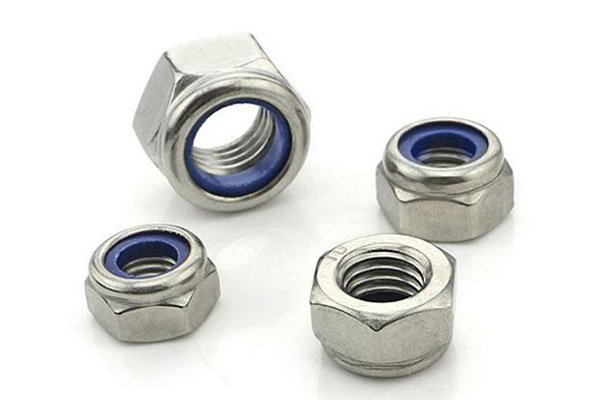
You should pick the right heavy hex nut for your project. Match its type, grade, and size to what you need. This step keeps things safe and makes sure parts stay together. Look at the nut’s material, strength grade, and how it fits with the bolt. The main things to think about are size, thread pitch, material compatibility, and coatings, as shown below:
Choosing carefully stops nuts from coming loose and keeps your structure strong for a long time.
Key Takeaways
Pick the right heavy hex nut by matching its size, grade, and material to what your project needs. Make sure the nut fits the bolt by checking the size and thread pitch. This helps you avoid weak connections. Choose a strong nut if you need to hold heavy things. Use higher grades for important jobs to make things safer. Think about the environment. Use stainless steel or coated nuts in wet or chemical places to stop rust. Follow rules like ASTM and ISO to make sure your hex nuts are safe and of good quality. Use the right amount of force when you put the nut on. This stops the nut from getting loose or hurting the threads. Check and take care of hex nuts often to find wear or rust early. This helps them last longer. Do not make mistakes like using the wrong grade or tools. This keeps your project safe and working well.
Heavy Hex Nut Basics

What Is a Heavy Hex Nut
A heavy hex nut is bigger and thicker than a standard hex nut. You can see the difference when you hold one. This nut is good for projects that need more strength and stability.
Size and Shape Differences
Heavy hex nuts are larger than standard hex nuts. The width and thickness are both bigger. This gives more contact with the hex bolt. You get a better grip and more even pressure on the joint. The table below shows how the industry sets these differences:
Strength and Stability Features
Heavy hex nuts are chosen for jobs that need high strength. The extra material lets the nut handle more force. This design stops the nut from bending under heavy loads. It works well in places with high heat or pressure. The hex shape lets you use normal tools to tighten it. The bigger size means you can use more force. This helps keep the nut tight, even if there is vibration or movement.
Common Applications
Heavy hex nuts are used in tough jobs. They help keep big structures and machines safe.
Construction and Structural Steel
Hold steel frames in buildings and towers
Keep wooden beams steady for more strength
Connect steel plates and columns in bridges
Industrial Machinery
Fasten parts in heavy machines
Support systems that move or shake
Anchor machines to concrete floors
Bridges and Heavy Equipment
Join bridge sections for strength and safety
Manage loads from the weight of the structure
Handle loads from wind, traffic, or earthquakes
Tip: If your project has high loads or vibration, check if a heavy hex nut is best. This choice can help keep things safe.
Why Selection Matters
Safety and Reliability
You want your project to be strong and safe. Using the right size and strength keeps joints secure. Picking the wrong nut can cause problems under stress. Heavy hex nuts follow strict standards like ASTM A194 and ASME B16.5. These standards help you trust the nut for important jobs.
Preventing Loosening and Failures
Heavy hex nuts stay tighter than standard hex nuts. The bigger size and extra strength help them resist loosening. They stay tight even with vibration or temperature changes. You avoid repairs and dangerous failures by choosing the right nut.
Key Factors for Your Project
Size and Thread Compatibility
Measuring Nut and Bolt Size
You need the right size for your project. First, measure the bolt’s diameter and the hole. Use a ruler or caliper to get the best results. Measure how thick the material is. Also, check the thickness of any washers or nuts you will use together. This helps you pick a bolt that fits well. It makes sure the nut holds everything tight.
Do not use a nut that is too small or too big. The right size keeps joints tight and safe.
Thread Pitch and Type
The hex nut’s thread must match the bolt. There are two main types: coarse and fine. Coarse threads, like 1/4"-20 UNC, are good for most jobs. Fine threads, such as 1/4"-28 UNF, work better where there is shaking. Always check the thread pitch and type before buying. Use a thread gauge if you are not sure.
Unified National threads fit #14 machine screws.
Coarse pitch works for most uses.
Fine pitch is best for lots of movement.
Matching the threads gives you better strength and fit.
Ensuring Proper Fit
A good fit means the nut and bolt work together well. Check the thread by comparing bolt length to material thickness. Make sure there is enough space for your tools. The right size and thread stop weak joints and problems when installing.
Picking the correct size and thread for heavy hex nuts and bolts is very important. Think about diameter, length, thread pitch, and head size. This helps your project stay strong and safe.
Material and Grade
Steel, Stainless, and Alloy Options
The material you pick changes how strong your hex nut is. Carbon steel is used for most projects. Stainless steel does not rust and is good for wet or chemical environments. Alloy steel is stronger for heavy machines or cars.
Corrosion Resistance
You want your project to last a long time. Stainless steel hex nuts do not rust, even in water or chemicals. Carbon steel nuts with zinc or galvanized coatings also fight rust. For example, hot dip galvanized carbon steel bolts can last over 100 hours in salt spray tests. Stainless steel 316 hex bolts can handle chloride up to 500 ppm, following ISO 3506-1.
Grade Markings and Strength
You need the right grade for your job. Grade marks on the hex nut show how strong it is. ASTM A194 and A193 B7 are used for tough jobs. B8 stainless steel is good if you need rust protection. The right grade helps the nut handle the load and stress. Always look for the grade mark before using the nut.
Standards and Certifications
ASTM, SAE, ISO Overview
You must follow standards to keep things safe. The main standards for hex nuts are ASTM, SAE, and ISO. Each one has rules for size, thread, and grade.
You can learn more at ASTM International and ISO Standards.
Importance of Compliance
Following standards is very important for your project. Machines and buildings need parts that meet these rules. Proper marks, like A325, help you pass inspections. Standards make sure your hex nut and bolt can handle the load and fit right. You also get the right papers for your project, which helps with safety and quality.
Note: Always check for grade marks and certifications before using a hex nut. This step stops failures and keeps your project safe.
Application Requirements
Environmental Factors
You need to think about where you will use the heavy hex nut. Things like water, chemicals, and temperature changes can affect how the nut works. If your project is outside or near water or chemicals, pick a nut made from stainless steel or titanium. These materials do not rust easily and stay strong for a long time. Rust can make the nut weak and cause it to break. For indoor projects with a lot of heat, choose a nut that can handle high temperatures. Picking the right material and grade helps protect your project from damage.
Tip: Always look at the environment before picking the hex nut. This helps stop rust and keeps your project safe.
Load and Stress
Every project puts different kinds of force on a hex nut. You need to know how strong the nut must be. Shear strength, tensile strength, and clamping force are important. If you are working with heavy machines or steel, use a nut with a high grade. This kind of nut is stronger and can hold bigger loads. For bridges or equipment, the nut must handle pulling and twisting. If your project shakes a lot, use a nut that will not come loose. The right size and grade keep the nut tight and safe.
Shear strength stops the nut from sliding sideways.
Tensile strength keeps the nut from breaking when pulled.
Clamping force holds everything together in your project.
You need to match the nut’s grade and size to the force in your project. This makes sure your project is safe and lasts a long time.
Special Features (Coatings, Locking)
Some projects need nuts with extra features. Coatings help protect the nut from rust and chemicals. Zinc plating, galvanizing, and other coatings make the nut last longer. If your project shakes or moves, pick a nut with locking features. Nylon insert flange nuts use two ways to lock. They use torque at the thread and serration at the flange. This design keeps the nut tight even if things move.
Use coatings for wet or tough places.
Pick locking nuts for projects that shake a lot.
Make sure the thread and grade fit the special features.
Note: Extra features help your project last longer and stay safe. Always check if you need coatings or locking before you pick a hex nut.
You should always think about the environment, force, and special features when picking a heavy hex nut. The right material, grade, size, and thread keep your project strong and safe.
Matching Nut and Bolt for Your Project

Choose the Right Hex Bolt and Nut Pair
Grade and Material Matching
You need to match the grade and material of your hex nut and hex bolt for your project. This step keeps your assembly strong and safe. If you use the wrong grade or material, your connection can fail. For example, using a stainless hex nut with a carbon steel hex bolt can cause rust or cracks. Always check the grade marks on both the nut and the bolt. These marks show the strength and type of material.
Here is a table to help you see what to check when you match heavy hex bolts and nuts:
You should always match the grade of the hex nut to the hex bolt. This keeps the strength even across the joint. If you use a higher grade nut with a lower grade bolt, the bolt can break first. If you use a lower grade nut with a higher grade bolt, the nut can strip or fail. Always use the same material for both parts. This stops problems like stress corrosion cracking.
Tip: Write down all your grade, material, and finish needs in your order. This step helps you avoid mistakes and keeps your project on track.
Assembly Fit and Tolerances
You must check the fit between your hex nut and hex bolt. The size and thread must match exactly. If the fit is too loose, the joint can move or come apart. If the fit is too tight, you can damage the threads or make assembly hard. Use a thread gauge to check the thread type and pitch. Make sure the nut spins easily onto the bolt by hand before you tighten it.
You also need to check the tolerances. Tolerance means how much the size can change and still work. For heavy hex bolts and nuts, the standards set these limits. Always use parts that meet ASTM, ISO, or other project standards. This step keeps your assembly safe and helps you pass inspections.
Step-by-Step Selection Process
Identify Project Needs
Start by looking at your project. Ask yourself these questions:
What loads will the joint carry?
Will the joint face vibration, heat, or chemicals?
What is the environment—indoor, outdoor, wet, or dry?
Do you need special coatings or locking features?
Write down your answers. This list will help you choose the right hex bolt and nut pair.
Select Size, Thread, and Material
Next, pick the size, thread, and material for your hex nut and hex bolt. Measure the diameter and length you need. Check the thread pitch and type. Use a thread gauge if you are not sure. Choose a material that fits your project. For example, use stainless steel for wet places or high-grade alloy for heavy machines.
Follow these steps:
Measure the bolt diameter and length.
Check the thread pitch and type.
Pick the right material for your environment.
Match the grade of the nut to the bolt.
This process helps you avoid weak joints and keeps your project safe.
Verify Standards and Compatibility
You must check that your hex nut and hex bolt meet the right standards. Look for ASTM, ISO, or other marks on the parts. These marks show that the parts passed tests for strength and fit. Check the paperwork for heat numbers and test results. This step helps you trace the parts if you have a problem later.
Always check the fit before you start your project. Spin the nut onto the bolt by hand. Make sure the threads match and the nut seats flat. If you see any problems, do not use the parts.
Troubleshooting Compatibility Issues
Common Problems and Solutions
You may run into problems when you match hex nuts and bolts. Here are some common issues and how to fix them:
Nut does not fit the bolt: Check the size and thread. Use a thread gauge to find the right match.
Nut strips or cracks: The grade may be too low. Use a nut with the same or higher grade as the bolt.
Rust or corrosion: The materials do not match the environment. Use stainless steel or coated parts for wet or chemical places.
Bolt breaks before the nut: The bolt grade is too low. Match the grades for both parts.
Hard to tighten or galling: Check for proper lubrication. Use anti-seize on stainless or coated threads.
Note: Always check the standards and grade marks before you start your project. This step helps you avoid costly mistakes and keeps your assembly safe.
If you follow these steps, you can choose the right hex bolt and nut pair for your project. You will avoid weak joints, failures, and delays. Matching the size, thread, grade, and material gives you a strong and reliable connection every time.
Installation and Best Practices
Proper Torque Application
Recommended Torque Values
Applying the right torque during installation keeps your hex nut and bolt connection secure. If you use too little force, the joint may loosen. Too much force can damage threads or break the bolt. Always check the recommended torque for your hex nut size and grade. The table below shows target torque values for heavy hex nuts in both dry and lubricated conditions:

Tip: Always use the correct torque for your hex nut’s grade and size to avoid failures in your project.
Tools and Techniques
You can achieve accurate torque by following a few key steps:
Use a 1/2-inch drive cordless impact wrench with a 19mm impact socket for most hex nut installations.
Make sure your wrench has a breakaway torque at least 150–200 ft-lbs above your hex nut’s requirement.
Finish tightening with a calibrated torque wrench. Tighten in a star pattern to distribute force evenly.
This approach helps you avoid uneven stress and ensures your project meets safety standards.
Lubrication and Anti-Seize
When and How to Lubricate
Lubrication plays a big role in hex nut installation. You should apply anti-seize compound on stainless steel hex nuts to prevent galling. Galling can ruin threads and make removal difficult. Avoid over-lubricating, as this can lower the effective torque and weaken your joint.
Apply a thin, even layer of anti-seize on the threads before installation.
Wipe away excess to prevent drips or mess.
Types of Lubricants
Choose the right lubricant for your hex nut and grade:
Use nickel-based anti-seize for stainless steel hex nuts.
Select zinc-based or copper-based lubricants for carbon steel or alloy hex nuts.
Avoid grease that attracts dirt or breaks down under heat.
Note: Lubrication improves installation and extends the life of your hex nut, especially in tough project environments.
Inspection and Maintenance
Pre- and Post-Installation Checks
Before installation, inspect each hex nut and bolt for damage, rust, or thread issues. After installation, check that you applied the correct torque and that the joint sits flush. If you spot any problems, replace the part before moving forward with your project.
Periodic Tightening and Corrosion Prevention
Regular maintenance keeps your project safe. Inspect hex nuts for wear, corrosion, or loosening from vibration. Retighten as needed, following the original torque values. Replace any worn or damaged hex nuts to maintain the strength of your assembly. Use standardized checklists and document your maintenance for future reference.
Following installation best practices ensures your hex nut connections stay strong and reliable throughout your project’s life.
Mistakes to Avoid with Heavy Hex Nuts
Wrong Size or Thread
You can run into big problems if you pick the wrong size or thread for your hex nut. Many people guess the size or use the wrong tool for their project. This mistake can strip or round off the nut, making it hard to remove or replace. You might damage the bolt or even the equipment you are working on. If you use a socket that does not fit your hex nut, you risk tool failure and safety hazards.
Guessing the size leads to stripped hex nuts.
Using the wrong socket type can break tools.
Not checking thread pitch causes weak connections.
Impact sockets are made to handle the high-torque force of power tools. They keep you safe and prevent shattering during use.
Always measure the diameter and thread pitch before you start your project. Use a thread gauge and the right socket for your hex nut. This step keeps your project safe and saves you time during repairs.
Incorrect Material or Grade
Choosing the wrong material or grade for your hex nut can put your project at risk. You need to match the grade of your hex nut to the grade of your bolt. If you use a lower grade nut with a high grade bolt, the nut can strip or fail under stress. If you use a high grade nut with a low grade bolt, the bolt may break first. Both mistakes can lead to dangerous failures in your project.
You should also think about the environment. If you use a carbon steel hex nut in a wet or chemical area, it can rust and weaken. Stainless steel or coated hex nuts work better in these places. Always check the grade marking on your hex nut before you use it. This habit helps you avoid costly repairs and keeps your project strong.
Ignoring Standards
You should never ignore standards when you choose a hex nut for your project. Standards like ASTM, ISO, and SAE set the rules for size, thread, and grade. If you skip these rules, your hex nut may not fit your bolt or may not hold the load. This mistake can cause your project to fail inspections or even lead to accidents.
Always look for grade markings and certification on your hex nut. These marks show that the nut meets the right standards for your project. If you use a hex nut without these marks, you cannot trust its strength or fit. You may also have trouble passing safety checks or audits.
Check for ASTM, ISO, or SAE marks on every hex nut.
Match the grade and thread to your project needs.
Do not use unmarked or uncertified hex nuts.
Tip: Following standards protects your project and helps you avoid expensive mistakes.
By avoiding these common mistakes, you keep your project safe, strong, and reliable. Careful selection of size, thread, material, and grade ensures your hex nut performs as expected in every application.
Over- or Under-Tightening
You might think tightening a hex nut as much as possible makes your project stronger. In reality, both over-tightening and under-tightening can cause serious problems. When you use too much force, you risk stripping the threads on your hex nut or bolt. This damage can make the connection weak and unsafe. Over-tightening can also stretch the bolt past its limit, especially if the grade is not high enough for your project’s load.
Under-tightening creates a different risk. If you do not apply enough torque, the hex nut may loosen over time. Vibration, temperature changes, or heavy loads can cause the nut to back off. This leads to joint failure and can put your entire project at risk.
You should always check the recommended torque values for your hex nut size and grade. Use a calibrated torque wrench for accuracy. Many professionals now use digital torque tools to avoid mistakes. These tools help you reach the right force every time, even when working with different hex nut grades.
Tip: Write down the torque settings for each hex nut and grade in your project log. This habit helps you track maintenance and spot problems early.
Skipping Inspection or Maintenance
You might finish your project and forget about the hex nuts. This mistake can lead to failures months or years later. Regular inspection and maintenance keep your project safe and strong. You should check each hex nut for signs of rust, wear, or movement. Look for changes in color or shape, which can signal problems with the grade or material.
Create a checklist for your project. Include steps like:
Inspect each hex nut for tightness and corrosion.
Check the grade markings to confirm you used the right parts.
Replace any hex nut that shows damage or does not meet the project’s grade requirements.
Many industries now use scheduled maintenance to prevent failures. For example, bridge projects often require yearly checks of every hex nut and bolt. This practice helps you catch problems before they grow.
Using Non-Compatible Bolts
You may feel tempted to use any bolt that fits your hex nut. This shortcut can cause major issues. Each hex nut is designed to work with a specific bolt size, thread, and grade. If you mix grades or use a bolt with a different thread, your project can fail under stress.
A mismatch between the hex nut and bolt can cause:
Always match the grade and thread of your hex nut and bolt. Check the markings before installation. If you cannot find a match, wait until you have the correct parts. This step protects your project from unexpected failures.
Note: Using the right hex nut and bolt pair for your project saves time, money, and keeps everyone safe.
When you select a hex nut for your project, focus on these steps:
Identify the hex size and thread for your project.
Match the hex nut grade and material to your project’s needs.
Check that each hex nut meets standards for your project.
Use the right hex nut for the environment and load in your project.
Install every hex nut with care to keep your project safe.
If your project is complex, ask an expert about hex nut selection.
Get Quote
Welcome To Know Our Products
Get Product and Service Information
Follow us
We provide OEM service and focus on stable quality, competitive pricing and responsive export support.


Contact Info
Add:Dongmingyang Industrial Park, Mingguan Town, Yongnian District, Handan City, Hebei Province China
Export salesman:
WhatsApp:+86 18830064300
E-mail: sales@hgtfix.com
Export salesman:
WhatsApp
+86 18830064300
E-mail:
Copyright © 2022 HEBEI YONGYI FASTENERS MANUFACTURING CO.,LTD Power by 300.cn | SEO