Welcome to Yongyi Fasteners, Your Reliable Fastener Supply Partner!

-
ProductsWe supply flat washers, spring washers, drop-in anchors, anchor bolts, hex nuts, hex bolts, sleeve anchors, threaded rods and OEM fastener products to DIN, BS, ANSI and MS standards.

-
About usHEBEI YONGYI FASTENERS MANUFACTURING CO.,LTD is located in China's largest fasteners production base Yongnian fasteners centre.
-
NewsHebei Yongyi Fasteners shares company updates, product knowledge and fastener industry news for global buyers.
-
ServiceThe products sold throughout the domestic and exported to Southeast Asia and Europe and other countries and regions. Our products win good reputation with domestic and foreign customers.



YONGYI FASTENERS
Support stable quality from material selection, processing and inspection to final delivery.
FOCUS ON HOT SPOTS

How to Choose the Right Hex Head Screw for Your Project
Published:
2026-05-09
Author:
YONGYI FASTENERS
Choose the right hex head screw by matching size, material, and strength to your project’s needs for secure, lasting results indoors or outdoors.
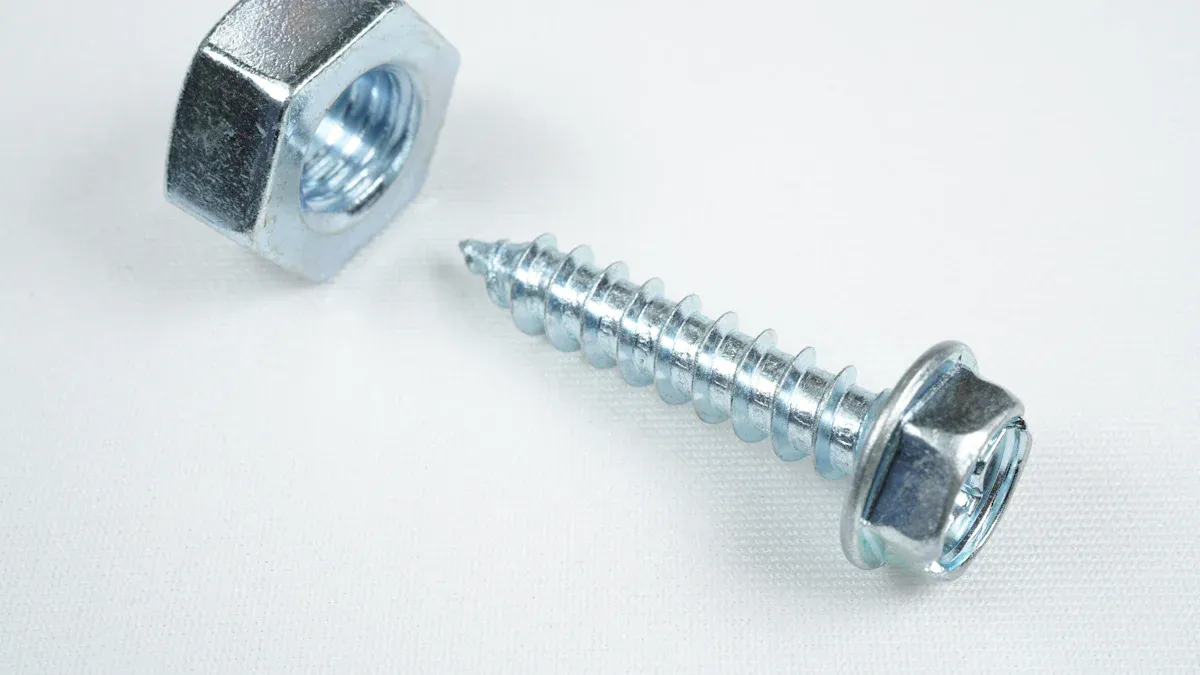
You must pick the right hex head screw for your project. This helps your project stay strong and last longer. Choosing the correct screw type, size, and material makes things safer and tougher. Studies show that using the right screw stops problems and keeps things safe. Exterior structural screws are very strong and can handle heavy loads. They also stand up to bad weather. Many projects do not work well because people use the wrong fastener. Recent data says 63% of projects fail for this reason. If you pay attention to these details, your project will do well.
Key Takeaways
Picking the right hex head screw makes your project strong and long-lasting.
Learn how hex screws and hex bolts are different so you can pick the right one.
Think about where you will use the screw to stop rust and make it last longer.
Choose the right size and length of screw for how thick your materials are.
Use the right tools and ways to put in screws so you do not break them and they fit tight.
Look at the strength grade of screws so they are strong enough for your project.
Check and take care of screws often to stop problems and help them last longer.
Always use a checklist before you buy screws so you do not make mistakes and your project works well.
Hex Head Screw Basics
What Is a Hex Head Screw
A hex head screw is used in many strong projects. It has a head with six sides. You turn it with a wrench or socket. The hex shape lets you use more force. This is why people pick it for tough jobs. There are partially and fully threaded types. You can use them in big builds or when you need extra holding power. The thick design helps you do hard tasks with confidence.
Tip: If you want to tighten a screw well, use a hex screw. It gives you a better grip and more torque.
Hex Screw vs. Hex Bolt
You need to know how hex screws and hex bolts are different. They look alike but are not the same. The table below shows how they compare:
Use hex bolts for big loads or strong builds. Use hex screws for careful work or machines. Always pick the fastener that fits your project.
Common Uses in Projects
Hex screws are used in many fields. You see them in cars, buildings, and factories. The table below shows where hex screws are used:
Pick a hex head screw when you need strength and reliability. These screws help your project last longer. Knowing where they are used helps you choose the right screw.
Types of Hex Screws

Standard Hex Head Screw
You often see the standard hex screw in many projects. This screw has a six-sided head. You can use a wrench or socket to turn it. The design gives you strong torque and a secure fit. You find this screw in wood, metal, and plastic jobs. It works well for furniture, machinery, and home repairs. The standard hex screw comes in different sizes and lengths. You can pick the right one for your project. The threads grip tightly, so your build stays strong. You get reliability and easy installation with this screw.
Tip: Choose a standard hex screw when you need a simple, strong fastener for everyday tasks.
Flange and Low-Profile Heads
Flange hex screws have a built-in washer under the head. This washer spreads the load and protects surfaces. You use flange screws when you want to avoid damage or need extra holding power. Low-profile hex screws have a thinner head. These screws fit in tight spaces where a tall head will not work. You see low-profile screws in electronics and small devices. Both types help you solve unique problems. Flange screws stop surfaces from cracking. Low-profile screws let you build in compact areas.
Here is a quick comparison:
Self-Drilling Hex Screw
You use a self-drilling hex screw when you need speed and efficiency. This screw has a sharp tip that drills its own hole. You do not need a pilot hole. The self-drilling feature saves you time and effort. You find these screws in metal roofing, HVAC, and steel framing. The hex head lets you apply strong torque. The threads cut into metal and hold tight. You get a secure fit and fast installation.
Self-drilling screws help you avoid extra tools. You can finish your project faster. These screws resist corrosion and last in harsh environments. You see them in outdoor builds and industrial jobs. The self-drilling hex screw gives you strength and reliability.
Note: Always check the material thickness before using a self-drilling screw. The tip must match the job.
Self-drilling screws make your work easier. You get strong fastening without extra steps. These screws help you build safely and efficiently.
Specialty Hex Screws
You may face projects that need more than a standard hex screw. Specialty hex screws solve problems in tough or unique situations. These fasteners have features that help you work with special materials, handle extreme conditions, or meet strict safety rules.
Types of Specialty Hex Screws:
Tamper-Resistant Hex Screws: You use these when you want to stop tampering or theft. They have unique drives that need special tools. You see them in public spaces, security systems, and electronics.
Shoulder Hex Screws: These have a smooth, unthreaded section under the head. You use them as pivot points or guides in moving parts. They help you build machines that need precise movement.
Thread-Cutting Hex Screws: You pick these for hard plastics or thin metals. The threads cut into the material as you drive the screw. You do not need a tapped hole.
Sealing Hex Screws: These have built-in washers or O-rings. You use them when you need to keep out water, oil, or dust. They work well in outdoor gear, marine equipment, and electrical boxes.
Tip: Choose a specialty hex screw when your project faces vibration, moisture, or high security needs. The right screw can prevent leaks, loosening, or tampering.
Comparison Table:
You should match the specialty hex screw to your project’s challenge. For example, if you build a device for outdoor use, a sealing hex screw keeps out water. If you need to stop theft, a tamper-resistant hex screw protects your work. When you work with moving parts, a shoulder hex screw gives you smooth action.
You may also find hybrid types. Some specialty hex screws combine features, such as a sealing and tamper-resistant design. You get both security and protection from the elements.
Remember, specialty hex screws cost more than standard types. You pay for extra features and better performance. You save time and avoid repairs by choosing the right hex screw at the start.
You can use a self-drilling hex screw for fast installation in metal, but specialty types give you solutions for unique needs. Always check the requirements of your project before you choose.
How to Choose Fasteners for Your Project
Assess Project Requirements
You need to know what your project needs before picking fasteners. Every building job is different and has its own needs. For example, outdoor jobs like decks need exterior structural screws. These screws fight bad weather and hold heavy things. Use this checklist to help you pick:
Decide where and how you will use each hex screw. Think about rain, wet air, chemicals, or salty air.
Pick the right fastener material. Stainless steel stops rust, but carbon steel is strong and costs less.
See if you need a coating to stop rust. Zinc plating or hot dip galvanizing helps screws last longer in tough places.
Check the strength grade and how much weight the screw can hold. Make sure the screws are strong enough for your job.
Match the fastener type to the task. Use exterior structural screws for big jobs and self-drilling hex screw for metal frames.
Make sure the screws meet rules and quality checks. Look for ISO or DIN marks to know they are good.
Tip: For building jobs with rules, check the newest Fastener Standards from ASME.
If you check these things, your project will be safer and last longer. Good quality checks now stop mistakes later.
Match Head Style to Application
The screw head you pick changes how your project looks and works. You need to match the screw head to your job for the best results. Here are some common choices:
Pan head: This head is flat and wide. Use it to hold things down without making dents.
Button head: Pick this for places people can see. It looks nice and does not shake loose, so it is good for machines or open spots.
Socket cap head: This head lets you use the most force. Use it when you need a tight fit in strong builds.
For decks, exterior structural screws with a flange or washer head spread out the force and protect wood. In small spaces, low-profile heads fit where others do not. Always think about where you are working and what your project needs when you pick a screw head.
Note: Picking the right screw head stops damage and keeps things tight.
Select Proper Size and Length
Picking the right size and length for each hex screw keeps your project safe and strong. The thickness of your material tells you what thread and length you need. Thin materials need more threads for a good grip. Thick materials need longer screws to hold tight.
If your material is between 3/8” and 2” thick, use fine threads for better hold. Always check the maker’s guide for the right screw size for your job. Outdoor jobs often need longer exterior structural screws to hold framing well.
If you pick the wrong size, joints can be weak or break. Always measure two times before you choose fasteners.
Self-drilling screws make metal jobs faster, but you must match the tip and thread to the material’s thickness. This makes sure the screw grabs well and holds strong.
If you follow these steps, you will pick fasteners that fit your project, stop rust, and work well every time.
Material and Corrosion Resistance
You must choose the right material for your screw to make your project last. The material affects how well the screw holds up against rust, weather, and chemicals. If you work outside or in wet places, you need screws that fight rust. Stainless steel screws give you the best protection. They do not rust easily and work well in rain, snow, or salty air. If you build near the ocean, stainless steel is the top choice.
Carbon steel screws are strong and cost less. You can use them indoors or in dry spots. If you want more protection, pick screws with a zinc or galvanized coating. These coatings add a shield against rust. For food or chemical jobs, you need screws with high corrosion resistance. These screws keep your project safe and clean.
Here is a quick guide to help you pick the right material:
Tip: Always match the screw material to your project’s environment. This step stops rust and keeps your build strong.
If you skip this step, your screws may fail early. You may see rust, stains, or weak joints. You can avoid these problems by picking the right screw for the job.
Strength: Tensile and Yield
You must check the strength of your screw before you start building. Two key numbers matter: tensile strength and yield strength. Tensile strength tells you how much force the screw can take before it breaks. Yield strength shows when the screw starts to bend or stretch.
If you build a deck, a fence, or a heavy frame, you need screws with high strength. Look for the grade on the box or in the product details. Common grades include Grade 2, Grade 5, and Grade 8. Higher numbers mean stronger screws. For most home projects, Grade 2 or Grade 5 works well. For big loads or safety jobs, pick Grade 8.
Here is a simple table to compare grades:
Note: Never use a screw with low strength for heavy loads. The screw can snap or bend, causing your project to fail.
You should always match the screw strength to your project’s needs. If you use the wrong screw, you risk damage or injury. You can ask for help at your local hardware store if you are not sure. Always check the packaging for strength ratings before you buy.
Installation and Tool Tips

Choosing the Right Driver
You need to select the correct driver for your hex head screw. The driver must fit the screw head snugly. A socket wrench or hex driver gives you the best grip. You avoid stripping the head when you use the right tool. For small screws, a manual hex key works well. For larger screws, use a ratchet or power driver. You save time and reduce fatigue with powered tools. Always check the size of the driver before starting. If you use a mismatched driver, you risk damaging the screw and slowing your project.
Tip: Keep your drivers clean and free from debris. Dirt can cause slipping and make installation harder.
Preventing Damage and Slipping
You must prevent damage and slipping during installation. If you rush, you can strip the screw head or break the threads. Start by aligning the screw straight with the material. Apply steady pressure as you turn the driver. Do not force the screw if you feel resistance. Back it out and check for obstructions. Use a slow, controlled speed with power tools. Fast spinning can cause overheating and weaken the screw. Lubricate the threads if you work with dense materials. This reduces friction and helps the screw seat properly.
Here are three steps to avoid slipping:
Match the driver size to the screw head.
Hold the driver perpendicular to the screw.
Turn slowly and check progress often.
If you see metal shavings or hear grinding, stop and inspect the screw. You may need to replace it to ensure a secure fit.
Installation Methods
You can use several installation techniques for hex head screws. Manual installation gives you control and precision. Use a hex key or socket wrench for small jobs. For larger projects, power drivers speed up the process. You must set the torque correctly to avoid over-tightening. Over-tightening can snap the screw or damage the material. For metal applications, a self-drilling hex screw simplifies threading and installation. You do not need a pilot hole, which saves time and effort.
A comparison table helps you choose the best method:
Always check the material thickness and adjust your installation technique. For wood, use moderate torque. For metal, use a self-drilling hex screw and monitor progress closely.
You improve project quality when you follow proper threading and installation steps. You avoid costly mistakes and ensure each screw holds securely.
Quick Checklist for Hex Screw Selection
Key Questions to Ask
You want your project to be safe and last a long time. Before you pick a hex screw, ask yourself these questions:
What kind of project are you doing? For building jobs, you need strong fasteners that fit the weight and where you build.
Will the screw be outside, get wet, or touch chemicals? Exterior structural screws are best for decks, fences, and outside frames.
What material are you joining together? Wood, metal, and composite all need different hex screw types.
Does your job need extra rust protection? Stainless steel or galvanized screws stop rust in tough places.
What size and length do you need for your material? Measure well so your joints do not get weak.
Do you need a special head for tight spots or more holding power? Flange or low-profile heads help with tricky jobs.
Tip: Write down your answers before you shop. This step helps you avoid mistakes and keeps your building project going smoothly.
Common Mistakes to Avoid
Many people make the same mistakes when picking a hex screw for building. You can stop problems if you learn from these errors:
You should always check the grade and thread type before you start. Never mix metric and inch sizes. For exterior structural screws, do not use old fasteners that are stretched or worn out. Use the right amount of force and grease to stop galling, especially with stainless steel. Pick nuts that are as strong as your hex screw to keep your project safe.
Note: The American Galvanizers Association says to use coatings that match and not to use split-ring lock washers for outside building jobs.
You can stop most problems by following these tips. If you pick and install each hex screw carefully, your project will last through weather, heavy use, and time.
Troubleshooting and Maintenance
What to Do If a Hex Screw Fails
Sometimes, hex screws do not work right. You might see leaks or loose panels. Screws may not hold tight. You must fix these problems fast to keep things safe. Here is a table with common issues, how to spot them, and what to do:
If you see a screw coming out or a washer split, stop and check your work. Always use the right screw for each job. Do not reuse screws that are stretched or damaged.
Maintenance Tips
You can make your screws last longer with care. Pick the right grade for tough jobs, like 316 or duplex. Passivation helps screws fight rust. Use anti-seize lubricants when you install screws. This stops galling. Do not mix different metals, or you may get rust. Make sure your project has good drainage and air flow.
Clean your screws often, especially near the ocean. Salt can build up and cause problems. Check your screws regularly. In factories, check the torque once a year or during big repairs. This keeps your fasteners tight and safe.
The material you choose changes how often you need to check your project. Here is a table that compares common materials:
Always use anti-galling lubricants with stainless steel screws. Lower the torque by 10-15% compared to carbon steel. This helps stop thread damage. If you install screws wrong, they can loosen and need more care.
You keep your project strong and safe by following these steps. Regular checks and picking the right materials help you avoid expensive repairs.
You can choose the right hex head screw for your project by following these steps:
Check the stresses in your project and pick the right screw.
Think about the environment and select the best material.
Use proper installation methods for each screw.
A checklist helps you avoid mistakes and keeps your project strong:
When you make informed choices, you reduce problems and finish your project on time. You build with confidence and get lasting results.
FAQ
What tools do you need to install a hex head screw?
You need a socket wrench, hex driver, or power drill with the correct bit. Always match the tool size to the screw head for a secure fit and to prevent damage.
How do you prevent a screw from rusting outdoors?
Choose stainless steel or galvanized screws for outdoor use. These materials resist rust and last longer in wet or salty environments. Regularly check and clean exposed screws.
Can you reuse a hex head screw after removal?
You should not reuse a hex head screw if it shows signs of stretching, rust, or thread damage. Always inspect the screw before reusing it to ensure safety and strength.
What happens if you use the wrong screw size?
Using the wrong size can cause weak joints or damage the material. Always measure your material and select the correct length and diameter for a secure hold.
How do you remove a stripped hex head screw?
Use a screw extractor or pliers to grip the head. Apply steady pressure and turn slowly. If the screw does not move, try using penetrating oil to loosen it.
Are all hex head screws suitable for heavy loads?
Not all hex head screws handle heavy loads. Check the grade and material before use. For structural work, select screws rated for high strength and load capacity.
How do you know if a screw is tight enough?
Tighten the screw until it feels snug and the head sits flush with the surface. Avoid over-tightening, which can strip threads or damage the material.
Get Quote
Welcome To Know Our Products
Get Product and Service Information
Follow us
We provide OEM service and focus on stable quality, competitive pricing and responsive export support.


Contact Info
Add:Dongmingyang Industrial Park, Mingguan Town, Yongnian District, Handan City, Hebei Province China
Export salesman:
WhatsApp:+86 18830064300
E-mail: sales@hgtfix.com
Export salesman:
WhatsApp
+86 18830064300
E-mail:
Copyright © 2022 HEBEI YONGYI FASTENERS MANUFACTURING CO.,LTD Power by 300.cn | SEO