Welcome to Yongyi Fasteners, Your Reliable Fastener Supply Partner!

-
ProductsWe supply flat washers, spring washers, drop-in anchors, anchor bolts, hex nuts, hex bolts, sleeve anchors, threaded rods and OEM fastener products to DIN, BS, ANSI and MS standards.

-
About usHEBEI YONGYI FASTENERS MANUFACTURING CO.,LTD is located in China's largest fasteners production base Yongnian fasteners centre.
-
NewsHebei Yongyi Fasteners shares company updates, product knowledge and fastener industry news for global buyers.
-
ServiceThe products sold throughout the domestic and exported to Southeast Asia and Europe and other countries and regions. Our products win good reputation with domestic and foreign customers.



YONGYI FASTENERS
Support stable quality from material selection, processing and inspection to final delivery.
FOCUS ON HOT SPOTS


3 Simple Ways to Keep Socket Head Cap Screws Rust-Free
Published:
2026-04-17
Author:
YONGYI FASTENERS
Keep your socket head cap screw rust-free with stainless steel, protective coatings, and regular maintenance for long-lasting, corrosion-resistant performance.
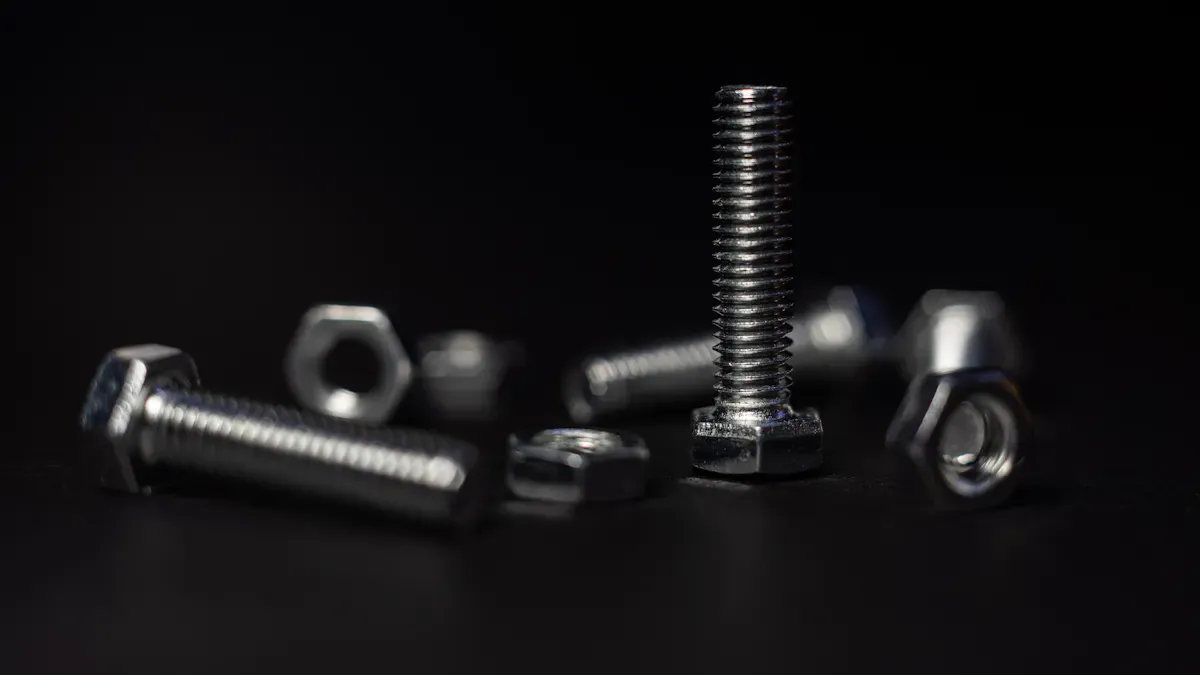
=You can keep your socket head cap screw rust-free with a few simple steps. Corrosion often shortens the life of fasteners, but you do not need advanced skills to protect them.
Industry studies show that proper rust prevention can add over 15 years to the lifespan of high-exposure steel frameworks.
Take action now to enjoy long-lasting, reliable performance from your screws.
Key Takeaways
Pick stainless steel socket head cap screws for the best rust safety. Grades 304 and 316 work well outside and in wet places.
Put on protective coatings like Dacromet or black oxide to stop rust. These coatings keep out water and chemicals very well.
Clean and check your screws often to find rust early. Wipe them quickly and add grease to stop rust from spreading.
Keep screws in a dry place with good climate control to avoid moisture. Use sealed boxes and silica gel packs for more safety.
Do not use carbon steel screws in wet spots. They rust fast and might break when you need them most.
Add more grease or threadlocker when needed to keep screws safe. This helps screws stay tight and free from rust for a long time.
Check screws after they touch water or chemicals. Finding rust early can save you time and money on new screws.
Be gentle with screws to protect their coatings. Use the right tools and do not overdrive to stop damage.
Stainless Steel Socket Head Cap Screws
Why Choose Stainless Steel
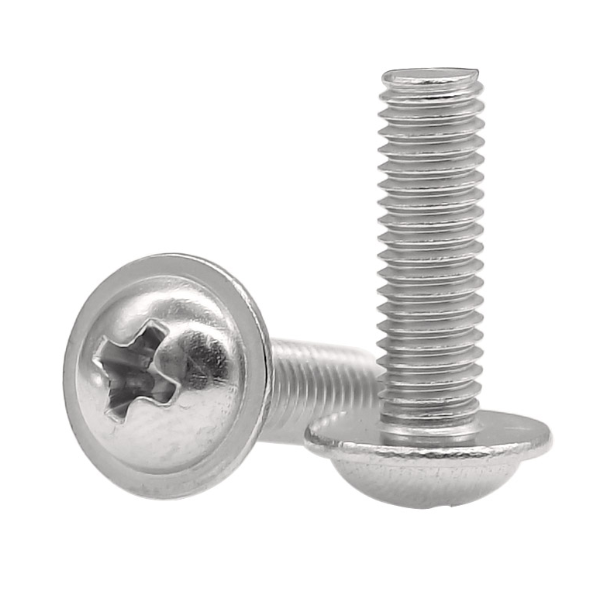
If you want your socket head cap screw to last, pick stainless steel. It is the best material for stopping corrosion. Stainless steel makes a thin, clear layer on its surface. This layer keeps out water and air, which cause rust. You can use stainless steel outside, in boats, or in wet factories. It stays strong and looks nice for a long time.
Grades 304, 201, and 316
There are different grades of stainless steel for hex socket head cap screws. Each one works best in certain places:
Grade 304: This is the most popular type. It stops rust in most indoor and outdoor spots. You can use it for building, machines, and furniture.
Grade 201: This one costs less and gives some rust protection. It is good for dry, indoor places with little water.
Grade 316: This grade fights rust the best. It works well with saltwater, chemicals, and bad weather. Use it for boats, chemical plants, or HVAC systems.
The table below shows how each stainless steel type works in tough places:
You can read more about picking materials for rust protection at ASM International.
Comparing Stainless Steel to Other Materials
Stainless steel is better than carbon steel in wet or outdoor places. The table below shows the main differences:
Cost vs. Durability
Stainless steel costs more than carbon steel at first. But you save money later. Stainless steel does not need to be replaced often because it does not rust. It stays strong and keeps its shape for years. You do not have to stop work or fix things as much. This makes stainless steel a smart pick if you want safety and things that last.
Tip: For outdoor or factory jobs, always pick the right stainless steel grade. Grades 304 and 316 protect best against rust.
Stainless steel screws, especially grades 304 and 316, are best for outdoor and factory use. They stop rust and keep your stuff safe.
Carbon steel screws may look strong, but they can break in wet or rough places.
Picking the right stainless steel grade keeps your hex socket head cap screws rust-free and working well.
For a comprehensive technical breakdown of how different stainless steel grades perform under stress, refer to the SSINA Selection System.
Corrosion Protection Coatings
You can make socket head cap screws last longer with coatings. These coatings stop water, air, and chemicals from touching the metal. This is very helpful in factories or outside where it is wet or rough.
Dacromet Coated Screws
Dacromet coatings use a water-based layer with zinc and aluminum flakes. This gives strong rust protection but does not make the screw thick. Dacromet works well in cars, buildings, and boats. These screws do better than many others in salt and chemicals. Use them if stainless steel costs too much or is too heavy.
Anti-Corrosion Properties
Dacromet makes a tight seal over the screw. It keeps rust away, even in hard places. The coating does not flake off. The thin layer keeps the screw’s size right. Dacromet is good for jobs that need exact fits.
Black-Oxide Coating
Black-oxide coatings use a chemical process to change the screw’s surface. This makes a magnetite layer that sticks well and does not chip. The finish is smooth and black and looks nice.
Strength and Rust Resistance
Black oxide alone gives a little rust protection. If you add oil or wax, it protects much more. This is common in factories. The coating does not change the screw’s size. You keep tight fits and strong screws. Black oxide is more stable than red rust and helps stop more damage.
Tip: Put oil or wax on black-oxide screws again if they get wet or are used outside.
Here is a quick look at how common coatings compare:
Other Protective Coatings
You can also use zinc plating, special paints, or sealants for more protection. Zinc plating wears away first to save the screw. Paints block water but need a clean surface to stick. Sealants fill spaces and keep water out.
Zinc, Paints, and Sealants
The table below shows how these coatings help stop rust:
Pick a coating based on where you work and how much rust you expect.
Rust-Proof Screws Maintenance
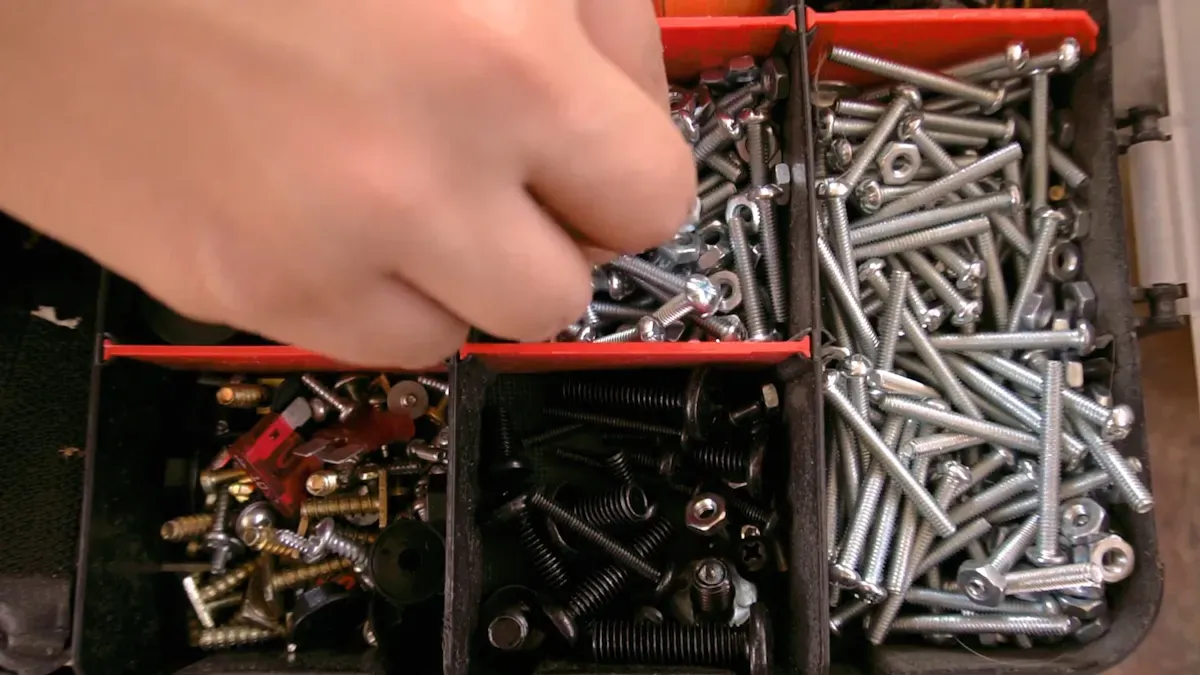
Keeping rust-proof screws in top condition requires a simple routine. You can extend the durability of your fasteners and prevent corrosion with regular care. This section explains how to clean, inspect, and protect your socket head cap screws for long-lasting performance.
Regular Cleaning Steps
Cleaning rust-proof screws helps you stop corrosion before it starts. Follow these steps to keep your screws in the best shape:
Dry all rust-proof screws and bolt heads after any wet ride or wash. Use a clean cloth to remove moisture.
Apply a small amount of Kleergel Corrosion Inhibitor Grease or lithium grease to the threads. This creates a barrier against water and air.
Wipe away any extra grease. This prevents dirt from sticking to the screws.
For screws that you rarely adjust, use a drop of blue threadlocker. This keeps them tight and adds another layer of protection.
Tools and Products Needed
You do not need many tools to maintain rust-proof screws. Here is a quick list:
Tip: Always keep these items in your toolbox for quick maintenance.
Inspection for Corrosion
You should check rust-proof screws often. Early detection of corrosion helps you avoid bigger problems and keeps durability high.
After every wet ride, dry the screws and do a quick check for rust or damage.
Each month, spend 15 minutes inspecting all rust-proof screws. Look for changes in color, rough spots, or flaking.
Every three to six months, use a torque wrench to check tightness and spot hidden corrosion.
Once a year, inspect every screw closely. If you find rust that will not clean off, replace the screw right away.
Early Signs of Rust
Watch for these signs when you inspect rust-proof screws:
Orange or brown spots on the screw head or threads
Flaking or rough surfaces
Loose screws that do not hold tight
White powdery residue, which can signal advanced corrosion
Note: Early action keeps rust-proof screws strong and extends their durability.
Reapplying Protection
Protection wears off over time. You need to reapply grease or threadlocker to keep rust-proof screws safe from corrosion.
Reapply grease after every deep cleaning or if you notice the threads look dry.
Add threadlocker again if you remove and reinstall any rust-proof screws.
For screws exposed to water or chemicals, check protection every month.
When and How to Reapply
Use a small brush or cloth to spread a thin layer of grease on the threads.
Let the grease set before you reinstall the screw.
For threadlocker, use one drop per screw and let it dry fully.
Regular care ensures rust-proof screws resist corrosion and maintain their durability for years.
Socket Head Cap Screw Storage Tips
Proper Storage Conditions
You need to store socket head cap screws in a way that keeps moisture away. Moisture is the main cause of rust on hex fasteners. If you let moisture build up, even the best zinc-plated screws or hot-dipped galvanized screws can start to corrode. You should always keep your screws in a dry, climate-controlled space. This stops moisture from settling on the surface. Try to keep humidity below 50%. High humidity speeds up rust, especially if you use zinc-plated screws or hex fasteners in coastal or damp areas.
Tip: Use a dehumidifier in your storage area to keep humidity low and moisture out.
You can follow these best practices to avoid moisture:
Store hex socket head cap screws in sealed containers to block moisture.
Place silica gel packs in bins to absorb extra moisture.
Keep zinc-plated screws and hot-dipped galvanized screws off concrete floors, which can hold moisture.
Use oil coatings on hex screws to create a barrier against moisture.
Apply rust-inhibiting paint to bins or racks that hold zinc-plated screws.
Inspect your storage area often for leaks or condensation that can add moisture.
Choose stainless or powder-coated screws if you expect a lot of moisture.
Control indoor humidity with fans or air conditioning to reduce moisture buildup.
If you store hex socket head cap screws outside, cover them with waterproof tarps. Make sure air can move around to stop moisture from getting trapped. For long-term storage, use hot-dipped galvanized screws or zinc-plated screws, as they resist moisture better than plain steel.
Avoiding Moisture
Moisture can sneak into storage areas in many ways. You should check for water leaks, condensation, or open windows. Always dry any wet bins or trays right away. If you see moisture on zinc-plated screws or hex fasteners, wipe them dry and add a thin oil layer. This stops moisture from causing rust. You can also use a rust converter if you spot early rust on hex screws.
Handling Practices
You need to handle socket head cap screws with care to keep their coatings strong. Damage to the coating lets moisture reach the metal. This can lead to rust, even on zinc-plated screws or hot-dipped galvanized screws.
You can follow these steps to prevent damage:
Pre-drill holes before installing hex screws. This reduces stress and keeps the coating safe from moisture.
Do not overdrive zinc-plated screws. Overdriving can crack the coating and let moisture in.
Rinse hex fasteners with fresh water after use in salty or wet places. Salt and moisture together cause fast rust.
Wear gloves when handling zinc-plated screws or hot-dipped galvanized screws. This keeps sweat and moisture from your hands off the metal.
Store unused hex socket head cap screws in their original packaging to block moisture.
Inspect screws for scratches or chips before use. Replace any damaged zinc-plated screws to avoid moisture problems.
Preventing Damage
You should always use the right tools for hex socket head cap screws. A worn or wrong-size hex key can slip and scratch the coating. Even a small scratch lets moisture attack the metal. Keep your tools clean and dry to avoid spreading moisture. If you drop a screw in water, dry it right away and check for damage. For best results, use hot-dipped galvanized screws or zinc-plated screws in places with a lot of moisture.
Note: Careful handling and smart storage keep moisture away and help your hex socket head cap screws last longer.
Environmental Factors and Corrosion
High-Risk Environments
Corrosion happens fastest outside or in chemical plants. Rain, snow, and temperature changes make corrosion worse. Chemical plants have strong fumes and liquids. These attack metal and cause corrosion quickly.
Saltwater and salty air are very bad for screws. Docks, ships, and coastal buildings often have this problem. Marine environments break screws faster than most places. Even stainless steel can rust if you use the wrong grade.
Wet and humid places also cause more corrosion. Humidity keeps things damp. Moisture helps corrosion start and spread. You should check screws often in these places.
Tip: Check for corrosion after storms or spills. Early action stops bigger problems.
Outdoor and Chemical Exposure
Different places affect corrosion in different ways:
You need good materials and coatings in tough places. Stainless steel grade 316 works well near saltwater. Dacromet or zinc coatings help in chemical plants. Plain carbon steel does not resist corrosion.
Adapting Prevention Methods
You can change your methods to fight corrosion. Pick the right screw material for each place. Use grade 316 stainless steel for marine jobs. Choose screws with thick coatings for chemical plants. Always clean screws after salt or chemical exposure.
You can do more to protect screws:
Rinse screws with fresh water after marine use.
Apply a corrosion inhibitor every month.
Store spare screws in airtight containers.
Inspect screws every week for early signs of corrosion.
Replace any screw with pitting or flaking.
Extra Steps for Harsh Conditions
Take extra steps in marine environments or chemical plants:
Use double-layer coatings for strong protection.
Seal screw heads with waterproof sealant.
Install screws when the weather is dry.
Mark inspection dates on a checklist.
Teach your team to spot corrosion early.
Note: Regular checks and good materials prevent most corrosion. Do not ignore small changes. Corrosion grows fast in marine and chemical places.
You keep your equipment safe when you use the right methods. You stop corrosion before it causes big problems.
Common Mistakes with Socket Head Cap Screws
If you want your projects to last, avoid mistakes that cause rust and failure. Many people forget easy steps that keep fasteners safe. Here are the main errors you should know about.
Wrong Material Choice
Not all screws are the same. The material you pick is very important for stopping rust. If you choose the wrong finish, your screws can rust fast and get weak. Plain finishes can start to rust in just a few days if they get wet. Zinc plating and phosphate coatings give some protection, but not a lot. Black oxide looks nice but only gives a little help against rust.
If you use the wrong material for your socket head cap screw, it can rust and break more easily. Using different metals together can also make rust happen faster, especially if it is wet or the temperature changes a lot. Always pick a fastener that matches where you will use it.
Tip: Pick materials that fight rust for your job. This keeps your screws strong and safe.
Skipping Maintenance
You cannot skip taking care of your screws if you want to stop rust. Many people forget to check and clean their screws, and this lets hidden rust and damage build up. Without care, screws can break when you need them most.
Checking and cleaning screws often stops rust and keeps things working.
If you do not take care of screws, they can break from rust or wear.
Grease or anti-seize makes screws turn easier and helps stop rust.
Using coatings or stainless steel screws helps stop rust in tough places.
Make a plan to check and clean your screws. Even a quick wipe and some grease can help a lot.
Note: Taking care of screws is not extra. It is the best way to stop rust.
Ignoring Early Rust
If you see a little rust, do not ignore it. This is a big mistake. Small rust spots mean trouble is starting. If you do nothing, rust will spread and make the screw weak. Later, the screw could break without warning.
Look for orange or brown spots, flaking, or white powder. These mean rust has started. Fix or change rusty screws right away. Acting early saves you time and money.
Check screws after they get wet or touch chemicals.
Clean off rust as soon as you see it.
Change screws that have deep pits or flaking.
Callout: Small rust spots get bigger fast. Do not wait if you see rust starting.
If you avoid these mistakes, your equipment will last longer and work better.
When to Replace Rusted Screws
Signs Replacement Is Needed
You need to check your socket head cap screws often for rust. Rust can weaken the screw and cause failure. If you see any rust, you should act right away. Rust can start as small orange or brown spots. Over time, rust spreads and eats into the metal. You may notice flaking, pitting, or a rough surface. These are clear signs that rust has damaged the screw. Rust can also make the screw hard to turn or remove. If you see white powder near the screw, this means rust has advanced. Rust can hide in the threads or under the head. You should never ignore rust, even if it looks small. Rust always gets worse if you do not fix it. Rusted screws can break without warning. You must replace any screw with visible rust to keep your equipment safe.
Note: Regular inspection helps you find rust early. Replace screws at the first sign of rust to avoid bigger problems.
You should also look for these signs:
Rust on the screw head or threads
Rust that does not wipe off
Rust that causes the screw to loosen
Rust that leads to cracks or chips
Damaged or worn-out screws with rust should never be reused. Rust can make the screw lose its strength. Rust can also spread to other parts. You protect your project when you remove rusted screws right away.
How to Replace Screws
You need to remove rusted screws with care. Rust can make screws stick or break. Use the right tool to avoid slipping. If rust makes the screw hard to turn, use a rust remover or penetrating oil. Let it soak for a few minutes. Turn the screw slowly to avoid snapping it. If rust has locked the screw, tap it gently to break the rust bond. Always wear gloves to protect your hands from rust flakes. Once you remove the rusted screw, check the hole for rust. Clean out any rust before you put in a new screw. Use a brush or cloth to wipe away rust dust. Choose a new screw with the right grade and material. Stainless steel or coated screws resist rust better. Tighten the new screw to the correct torque. Do not reuse screws with rust or damage.
Tip: Always use new screws that match the original specs. This keeps rust from coming back.
Preventing Future Corrosion
You can stop rust before it starts. Use screws made from stainless steel or with a protective coating. Store your screws in a dry place to keep rust away. Check your screws often for early signs of rust. Clean and dry screws after they get wet. Apply a thin layer of grease or corrosion inhibitor to block rust. Do not mix different metals, as this can speed up rust. Use the right screw for the job to avoid rust problems. Replace any screw that shows rust right away. Make a schedule to inspect and maintain your screws. This keeps rust from spreading and protects your equipment.
Callout: Rust is easier to prevent than to fix. Stay ahead of rust with regular checks and quick action.
You keep your projects safe and strong when you stop rust early. Rust does not have to ruin your work. Replace rusted screws and use good habits to keep rust away.
You can keep your socket head cap screws rust-free by following three simple steps:
Choose stainless steel for strong, lasting protection.
Apply the right coatings to block moisture and chemicals.
Clean and check your screws often to stop rust early.
Consistent care gives you reliable, safe fasteners. Start with the method that fits your work best. Take action now to protect your equipment for years to come.
FAQ
What makes socket head cap screws better for marine projects?
You get strong fastening and easy installation with socket head cap screws. These screws fit tight spaces on boats and docks. They resist stripping and work well with corrosion-resistant screws. You can trust them for marine repairs and upgrades.
How do I choose between stainless and silicon bronze socket head cap screws?
You should pick stainless for most marine jobs. It resists rust and lasts long. Choose silicon bronze socket head cap screws for wooden boats or when you need extra corrosion resistance. Silicon bronze works well in saltwater and does not stain wood.
Why do marine environments need special socket head cap screws?
Saltwater and humidity cause fast rust. You need socket head cap screws made from stainless or silicon bronze. These corrosion-resistant screws protect your boat, dock, or coastal builds from damage. Regular steel screws will not last in marine conditions.
Can I use silicon bronze socket head cap screws with stainless hardware?
You can use silicon bronze socket head cap screws with stainless hardware. This combination works well in marine settings. Silicon bronze prevents galvanic corrosion. You get a longer-lasting connection for your boat or dock.
How often should I inspect socket head cap screws on my boat?
You should check socket head cap screws every month. Look for rust, loose screws, or color changes. In marine environments, frequent inspection helps you spot problems early. Replace any damaged or corroded screws right away.
Are corrosion-resistant screws always needed for marine repairs?
You always need corrosion-resistant screws for marine repairs. Saltwater and spray cause fast rust. Socket head cap screws made from stainless or silicon bronze last longer and keep your boat safe. Never use plain steel screws near water.
What are the benefits of silicon bronze socket head cap screws for coastal builds?
You get excellent rust resistance with silicon bronze socket head cap screws. These screws handle salt air and moisture. They do not stain wood and last for years. Silicon bronze is a top choice for docks, piers, and other coastal builds.
Can I use socket head cap screws for underwater marine hardware?
You can use socket head cap screws made from silicon bronze or stainless for underwater marine hardware. These screws resist rust and hold strong under water. Always pick the right grade for the best protection.
Get Quote
Welcome To Know Our Products
Get Product and Service Information
Follow us
We provide OEM service and focus on stable quality, competitive pricing and responsive export support.


Contact Info
Add:Dongmingyang Industrial Park, Mingguan Town, Yongnian District, Handan City, Hebei Province China
Export salesman:
WhatsApp:+86 18830064300
E-mail: sales@hgtfix.com
Export salesman:
WhatsApp
+86 18830064300
E-mail:
Copyright © 2022 HEBEI YONGYI FASTENERS MANUFACTURING CO.,LTD Power by 300.cn | SEO