Welcome to Yongyi Fasteners, Your Reliable Fastener Supply Partner!

-
ProductsWe supply flat washers, spring washers, drop-in anchors, anchor bolts, hex nuts, hex bolts, sleeve anchors, threaded rods and OEM fastener products to DIN, BS, ANSI and MS standards.

-
About usHEBEI YONGYI FASTENERS MANUFACTURING CO.,LTD is located in China's largest fasteners production base Yongnian fasteners centre.
-
NewsHebei Yongyi Fasteners shares company updates, product knowledge and fastener industry news for global buyers.
-
ServiceThe products sold throughout the domestic and exported to Southeast Asia and Europe and other countries and regions. Our products win good reputation with domestic and foreign customers.



YONGYI FASTENERS
Support stable quality from material selection, processing and inspection to final delivery.
FOCUS ON HOT SPOTS


Are Black Screws Right for Your Next Project? Pros and Cons
Published:
2026-05-12
Author:
YONGYI FASTENERS
Weigh the pros and cons of black screws for your project—style, rust resistance, cost, and durability—so you can choose the right fastener every time.
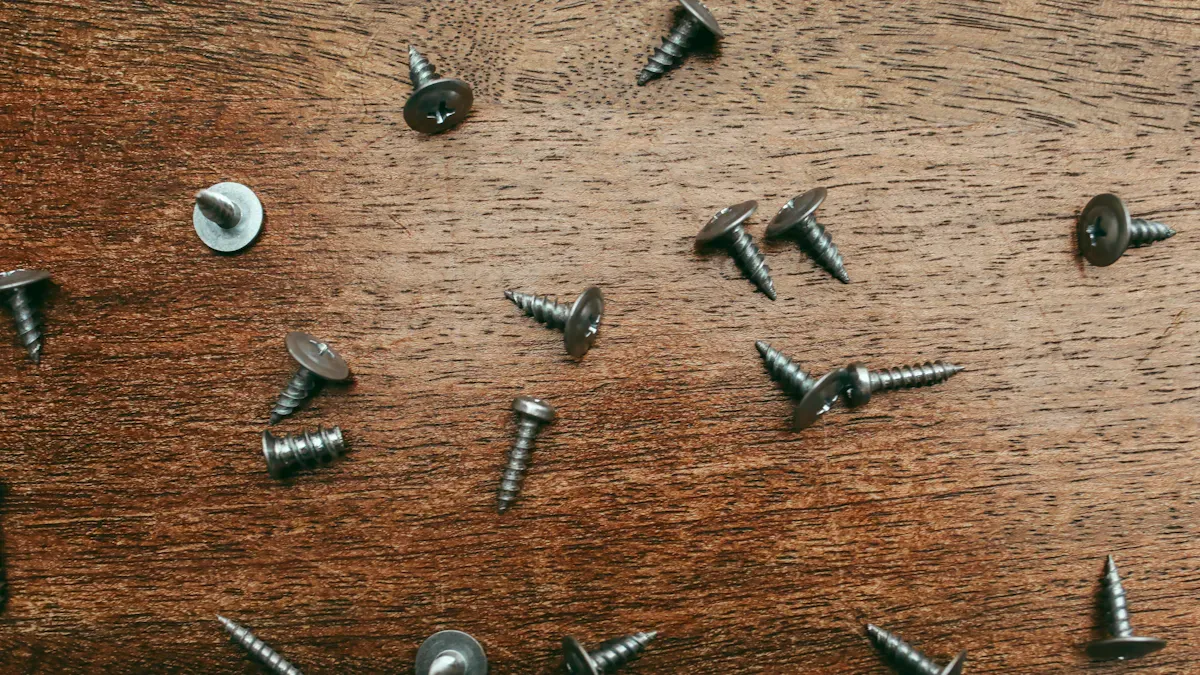
You want your project to look sharp and last. Black screws can work well for many projects, but they have some trade-offs. Here’s a quick rundown:
Pros: Sleek style, less glare, and strong corrosion resistance.
Cons: Coating can wear off, color may fade, and cost is higher.
Tip: Think about where you’ll use the screws, what materials you’re joining, and how important the look is to you.
Key Takeaways
Black screws give furniture and fixtures a cool, modern look. They match well with dark surfaces and look neat and professional. The epoxy coating on black screws helps stop rust, so you can use them outside. Black screws have a matte finish that cuts down on glare. This makes them good for art displays and installations. Black screws can be used in many ways, but they might not work for heavy jobs. Always check the load ratings before using them. The coating can wear off when you put them in, so be gentle to keep them strong and nice-looking. Black screws can lose color in sunlight, so use UV-resistant coatings outside. Black screws cost more than regular screws, but they can make your project look better and last longer.
Black screws: Pros
Aesthetic benefits
Modern look
You want your project to stand out. Black screws give furniture, cabinets, and fixtures a modern edge. The dark finish looks clean and sharp. If you like a minimalist style, these screws fit right in. They work well in both home and office spaces.
Blends with dark surfaces
Do you work with dark woods, metals, or painted surfaces? Black screws almost disappear against these backgrounds. You get a seamless look. No shiny spots or distracting hardware. This makes your project look more professional and polished.
Corrosion resistance
Epoxy coating
Most black screws come with a special epoxy coating. This layer protects the metal underneath. It helps stop water and air from reaching the screw. You get better corrosion resistance compared to plain steel screws.
Outdoor durability
You can use black screws outside. The coating stands up to rain and humidity. These screws last longer in garden furniture, fences, and outdoor fixtures. You do not have to worry as much about rust or early failure.
Glare reduction
Minimizes reflections
Bright lights can bounce off shiny screws and create glare. Black screws solve this problem. The matte finish absorbs light. You will not see annoying reflections in photos or displays. This is helpful for art installations, stage sets, or anywhere you want a clean look.
Tip: If you want your hardware to blend in and not distract from your project, black screws are a smart choice.
Strength and durability
High-quality materials
You want your project to last. Black screws often use hardened steel or alloy blends. These materials give you extra strength. You can drive them into wood, metal, or composite boards without worrying about snapping or stripping. The tough core stands up to repeated use, so you can assemble and disassemble furniture or fixtures as needed.
Many black screws meet industry standards for tensile strength. This means they can handle daily stress, like the weight of shelves or the movement of doors. If you build something that people use every day, you want screws that hold tight. Black screws with quality materials help you avoid loose joints and wobbly results.
Note: Not all black screws are equal. Check the packaging for strength ratings or ask your supplier for details. High-quality screws cost more, but they save you time and trouble in the long run.
Versatility
Indoor and outdoor use
You can use black screws almost anywhere. They work well inside your home for cabinets, shelving, or wall art. The protective coating also lets you use them outside. Garden benches, patio railings, and mailbox posts all benefit from black screws. The finish resists moisture and sunlight, so you do not have to swap out hardware for different environments.
Range of sizes
Black screws come in many shapes and sizes. You can find tiny screws for electronics or picture frames. Larger sizes work for deck boards, fences, or heavy furniture. This range gives you flexibility. You do not need to hunt for a matching screw in another color. You can keep your project looking consistent from start to finish.
Common sizes include:
#6, #8, and #10 for woodwork
1-inch to 3-inch lengths for framing or decking
Specialty heads like Phillips, square, or Torx for different tools
Tip: Keep a small assortment of black screws in your toolbox. You will always have the right size for quick repairs or new ideas.
Black screws: Cons
Coating wear
Friction effects
You might notice that coated wood screws sometimes lose their finish during installation. When you drive these screws into tough materials, the coating can rub off. This happens because of friction between the screw and the surface. If you use power tools or work with dense wood, the risk increases. The coating acts as a shield, but it is not invincible.
Here’s a quick look at what causes coating wear:
If you want your project to last, you need to think about these risks. Even a small scratch can expose the metal underneath.
Risk of rust
Once the coating wears off, moisture and air can reach the steel. Rust starts to form. You might see orange spots or flaking metal. This weakens the screw and can ruin your project. Coated wood screws work well at first, but they need the coating to stay strong. If you plan to use them in high-friction spots, check the finish after installation.
Color fading
UV exposure
Sunlight can fade the color of coated wood screws. If you use them outdoors, the black finish may turn gray or even chalky over time. UV rays break down the coating, especially if you live in a sunny area. You may not notice right away, but after a few months, the screws can look old and worn. This matters if you care about the look of your project. For outdoor furniture or fences, you might want to check the screws every season.
Tip: You can slow fading by placing projects in shaded areas or using a UV-resistant topcoat.
Cost
Price vs standard screws
You pay more for coated wood screws than for plain steel screws. The special coating and the black finish add to the price. If you need a lot of screws, the cost can add up fast. For big projects, you might need to balance looks with your budget. Standard screws work fine for hidden joints or places where appearance does not matter. If you want a clean look, coated wood screws are worth the extra cost, but you should plan for it.
Note: You get what you pay for. Higher-quality coated wood screws last longer and look better, but they do cost more.
Limited strength (some types)
Not for heavy loads
You might think all black screws are tough, but that’s not always true. Some coated wood screws look strong because of their finish, but they can’t handle heavy loads. The coating gives them a sleek look and some protection, but it doesn’t make the screw itself stronger. If you plan to build something that needs to support a lot of weight, you need to pay close attention to the type of screw you choose.
Many coated wood screws work well for light to medium-duty projects. You can use them for shelves, picture frames, or small furniture. They hold up fine when you use them in these ways. Problems start when you try to use coated wood screws for heavy-duty jobs, like deck framing or structural supports. The core metal in some coated wood screws is not as thick or as hard as what you find in structural screws. This means they can bend, snap, or strip under too much pressure.
Let’s look at some common issues you might face if you use coated wood screws for heavy loads:
The screw head can pop off if you put too much weight on it.
The shaft may bend or break, especially in hardwoods or thick boards.
The threads can strip out of the wood, making the joint loose.
The coating can crack, which lets in moisture and causes rust.
Note: Always check the packaging or product specs for load ratings. Not all coated wood screws are tested for heavy-duty use.
Here’s a quick comparison to help you decide:
You want your project to last and stay safe. If you use coated wood screws for something too heavy, you risk failure. This can lead to sagging shelves, broken furniture, or even safety hazards. For anything that needs to meet building codes or support a lot of weight, choose a screw designed for structural use.
Coated wood screws shine in projects where looks matter and loads stay light. They give you a clean finish and resist rust, but they are not the best choice for every job. If you ever feel unsure, ask a hardware expert or check local building codes before you start.
When to use black screws
Best projects
Furniture
You want your furniture to look nice and last long. Black screws work well with modern tables and shelves. They blend in with dark wood and metal. This gives your project a smooth finish. Many people use black-coated wood screws for desks and dressers. These screws keep joints tight and help stop rust. This is helpful if you move your furniture a lot.
Tip: If you build custom furniture, black screws match your design. You do not see shiny spots, so your work stands out.
Decorative fixtures
Black screws are great for decoration projects. You can use them for wall art, lights, or shelves. They blend into dark backgrounds and look neat. Black drywall screws are good for hanging mirrors or frames. They hold things well and do not stand out. One designer said, “I switched to black drywall screws for my gallery walls. The hardware almost vanished, and my art stood out.” This shows how the right screw can change a room.
Environmental factors
Moisture areas
If you work in kitchens or bathrooms, water is a problem. Coated wood screws protect better than plain steel. They help stop rust and keep your project looking nice. Black drywall screws also work well in damp rooms. They fight rust and last longer than plain screws.
Here’s a quick comparison:
Weather exposure
Outdoor jobs need screws that can handle rain and sun. Black drywall screws with a coating can handle weather. You can use them for fences, benches, or patio projects. They do not fade or rust easily, so your hardware stays strong and looks good. For more about fastener rules, check ASTM F1941, which talks about coatings for rust protection.
Material compatibility
Wood, metal, composites
You can use black screws in many materials. Black drywall screws work in wood, drywall, and some composites. They grip well and do not strip fast. Coated wood screws are best for wood, but you can use them in metal brackets or composite boards too. If you want a screw for many jobs, black drywall screws give you choices for different surfaces.
Note: Always pick the right screw for your material. If you use black drywall screws in metal, check if they are strong enough. For wood, black-coated wood screws work best.
If you want more help, the International Building Code lists approved screws for building and decoration.
Black-coated wood screws
Wood applications
You want your furniture to look sharp and last. Black-coated wood screws help you achieve both goals. These screws feature a black oxide or epoxy coating that makes them stand out in modern designs. The coating gives your project a sleek finish and blends perfectly with dark woods. You do not see shiny hardware, so your work looks professional.
You also get practical benefits. The coating protects against rust and corrosion. If you build furniture for kitchens or bathrooms, you do not have to worry about moisture ruining your hardware. The screws stay strong and keep joints tight. You can move your furniture without seeing orange spots or flaking metal.
Installation feels easier, too. The coating acts like a lubricant. You use less force to drive the screws into wood. This reduces wear on your tools and lowers drive torque by up to 20%. You finish your project faster and avoid stripped heads.
Here’s what you gain when you use black-coated wood screws for furniture assembly:
Enhanced style for modern and classic pieces
Protection from rust and corrosion in humid rooms
Easier installation with less effort
Strong joints that last through daily use
Tip: If you want your furniture to look seamless and stay sturdy, black-coated wood screws are a smart choice.
Black drywall screws
Drywall uses
You need screws that work fast and hold tight. Black drywall screws make your job easier. These screws fit both residential and commercial projects. You can use them for wood or metal framing. You do not need to pre-drill holes, which saves time.
The coating on black drywall screws protects against rust and moisture. You can use them in bathrooms, kitchens, or basements. The screws stay strong even in humid environments. You do not see rust spots or weak joints.
Installation goes smoothly. The coating acts as a lubricant. You drive the screws in quickly and avoid tool wear. You finish your drywall job with less effort.
Here’s a quick look at how black drywall screws perform in different applications:
You can use black drywall screws for hanging drywall sheets, attaching ceiling panels, or mounting fixtures. The screws grip well and do not strip easily. You get a clean finish and strong support.
Note: If you want reliable hardware for drywall projects, black drywall screws offer speed, strength, and lasting protection.
When to avoid black screws
Unsuitable environments
Marine settings
You might think black screws can handle any job, but saltwater changes the game. If you work near the ocean or in boats, black screws often fall short. The epoxy or oxide coating wears down fast in salty air. Once the coating breaks, rust attacks the steel underneath. You end up with corroded fasteners and weak joints.
A local dock builder shared this story:
“We used black screws for a small pier project. After one rainy season, rust streaks appeared, and several screws snapped. We had to replace them with stainless steel to meet safety codes.”
Stainless steel screws work much better in these settings. They resist corrosion, even when exposed to salt and humidity. If you build docks, piers, or anything near the coast, choose stainless steel for peace of mind.
Here’s a quick comparison:
316 stainless steel stands up to coastal climates.
It resists chlorides, so it lasts longer in salty air.
High-stress areas
Black screws do not always meet the demands of heavy-duty jobs. If you build decks, support beams, or playground equipment, you need fasteners that hold up under pressure. The coating on black screws can crack or wear off, exposing the core to rust. Some black screws lack the strength for structural loads. You risk loose joints or even failure.
If your project must support weight or meet strict safety standards, look for fasteners rated for structural use. Always check local building codes before you start.
Structural limits
Building codes
Building codes set strict rules for fasteners in construction. Many codes do not approve black screws for structural framing, decks, or load-bearing walls. The coating may hide flaws or make it hard to inspect the screw. Inspectors often require stainless steel or galvanized screws for safety.
You can find more details in the International Building Code and ICC-ES Evaluation Reports, which outline approved fastener types and coatings for different environments.
Note: Always use code-approved fasteners for structural work. This keeps your project safe and legal.
Alternatives
Stainless steel
Stainless steel screws offer top performance in harsh environments. You get high corrosion resistance, especially with 316 stainless steel. These screws work well in marine, coastal, and humid areas. They also provide a polished look that stays bright over time.
Use stainless steel for docks, outdoor furniture, and anywhere moisture is a concern.
They cost more, but you avoid costly repairs and replacements.
Galvanized screws
Galvanized screws have a zinc coating that protects against rust. They work well for outdoor projects, fences, and decks. The coating lasts longer than paint or epoxy in wet conditions. You get good strength and durability at a lower price than stainless steel.
Choose galvanized screws for garden structures, sheds, or any project exposed to rain.
Make sure the coating is thick enough for your climate.
Tip: Pick your fastener based on the environment and load. Black screws look great, but stainless steel and galvanized screws keep your project safe and strong where it matters most.
You have seen the main pros and cons of black screws. They offer a modern look, resist rust, and blend with dark surfaces. You may face coating wear, fading, or higher costs.
Use black screws for furniture, décor, or projects where style matters.
Avoid them in marine or heavy-duty jobs.
Think about your project’s needs. If you want both strength and a clean finish, black screws can be a smart pick. Still unsure? Check building codes or ask a hardware expert.
FAQ
What makes black screws different from standard screws?
Black screws have a special coating, usually epoxy or oxide. This coating gives them a sleek look and helps fight rust. You get less glare and a modern finish compared to plain steel screws.
Can I use black screws outdoors?
Yes, you can use black screws outside. The coating protects against rain and humidity. For harsh weather or salty air, choose screws with extra corrosion resistance. Always check the product label for outdoor ratings.
Do black screws work in drywall?
Black drywall screws are made for drywall. You can use them for wood or metal framing. They grip well and resist rust. You do not need to pre-drill holes, which saves you time.
Will the black color fade over time?
Sunlight can cause fading. If you use black screws outdoors, the finish may turn gray or chalky. You can slow fading by placing projects in shade or using a UV-resistant topcoat.
Are black screws strong enough for heavy-duty projects?
Some black screws handle light to medium loads. For heavy-duty jobs, like deck framing or structural supports, use screws rated for high strength. Always check load ratings and building codes before you start.
How do I prevent coating wear during installation?
Drive screws slowly and use the right tool. Avoid over-tightening. The coating acts as a shield, but friction can wear it off. If you see scratches, check for rust and replace damaged screws.
What materials can I use black screws with?
You can use black screws in wood, metal, and composites. Black drywall screws work well in drywall and wood. Black-coated wood screws are best for furniture and cabinetry. Always match the screw type to your material.
Are black screws more expensive than standard screws?
Yes, black screws usually cost more. The coating and finish add to the price. You pay extra for style and rust protection. For hidden joints, standard screws may save you money.
Get Quote
Welcome To Know Our Products
Get Product and Service Information
Follow us
We provide OEM service and focus on stable quality, competitive pricing and responsive export support.


Contact Info
Add:Dongmingyang Industrial Park, Mingguan Town, Yongnian District, Handan City, Hebei Province China
Export salesman:
WhatsApp:+86 18830064300
E-mail: sales@hgtfix.com
Export salesman:
WhatsApp
+86 18830064300
E-mail:
Copyright © 2022 HEBEI YONGYI FASTENERS MANUFACTURING CO.,LTD Power by 300.cn | SEO