Welcome to Yongyi Fasteners, Your Reliable Fastener Supply Partner!

-
ProductsWe supply flat washers, spring washers, drop-in anchors, anchor bolts, hex nuts, hex bolts, sleeve anchors, threaded rods and OEM fastener products to DIN, BS, ANSI and MS standards.

-
About usHEBEI YONGYI FASTENERS MANUFACTURING CO.,LTD is located in China's largest fasteners production base Yongnian fasteners centre.
-
NewsHebei Yongyi Fasteners shares company updates, product knowledge and fastener industry news for global buyers.
-
ServiceThe products sold throughout the domestic and exported to Southeast Asia and Europe and other countries and regions. Our products win good reputation with domestic and foreign customers.



YONGYI FASTENERS
Support stable quality from material selection, processing and inspection to final delivery.
FOCUS ON HOT SPOTS


Safety Nut on Wheel: Proven by Real-World Tests
Published:
2026-05-11
Author:
YONGYI FASTENERS
A safety nut on wheel locks wheels securely, resists loosening from vibration, and proves its reliability through real-world tests for lasting safety.
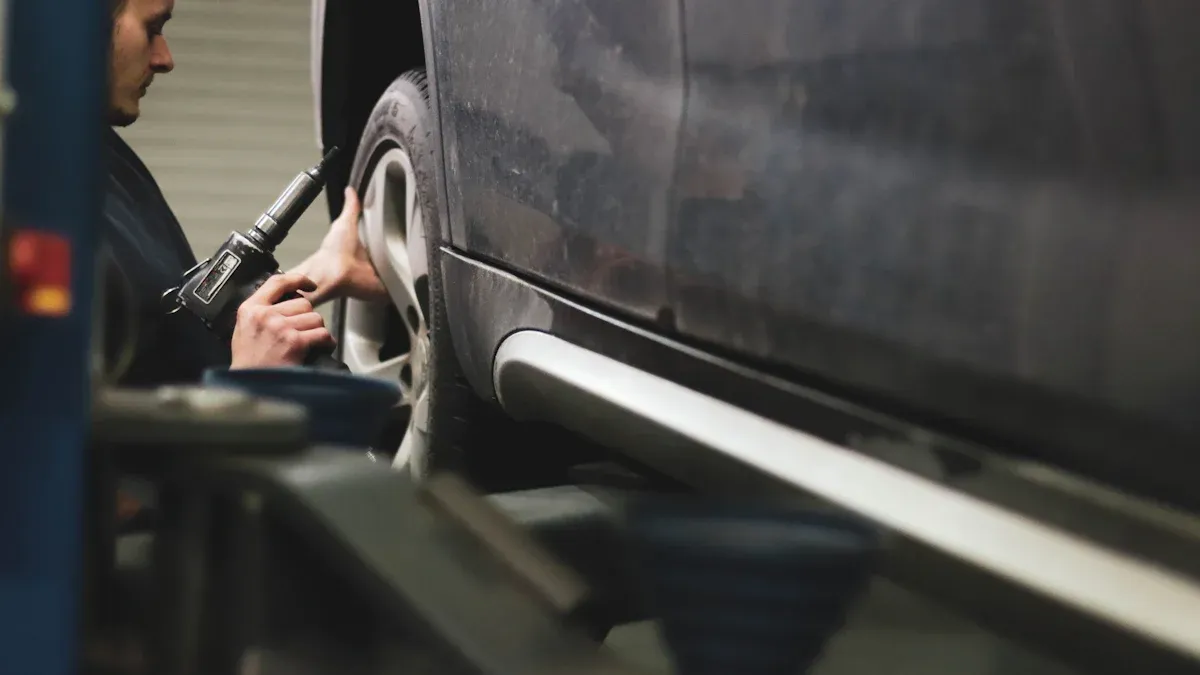
You need something that keeps your wheels safe. A safety nut on wheel does this, shown by real-world tests. Wheel safety is important because loose fasteners can cause crashes. You want results you can trust, not just words. Engineers test these nuts in hard situations. Tests show these nuts work well and stop wheels from getting loose.
Real-world proof helps you feel sure when picking safety solutions for your car.
What is a safety nut on wheel

Definition and function
You want your wheels to stay secure, even when you drive on rough roads or face sudden stops. A safety nut on wheel gives you this protection. This special nut locks the wheel to the hub and keeps it from loosening. You can trust it to hold the wheel in place, even when your vehicle faces strong vibrations or heavy loads.
A safety nut on wheel uses a unique design. It often has built-in features that grip the threads tightly. These features stop the nut from turning by itself. You do not need extra tools or complicated steps. You just install the nut, and it works to keep your wheel safe. This makes it a smart choice for cars, trucks, and even heavy machinery.
Tip: If you drive long distances or carry heavy cargo, a safety nut on wheel can give you peace of mind. You know your wheels will stay attached, mile after mile.
Safety nut vs. standard lug nut
You might wonder how a safety nut on wheel compares to a standard lug nut. A standard lug nut holds the wheel to the hub, but it can loosen over time. Road bumps, sharp turns, and vibrations can make a regular nut back off. This creates a risk for you and your passengers.
A safety nut on wheel solves this problem. It has locking features that a standard lug nut does not have. These features resist movement and keep the nut tight. You do not need to check the nuts as often. You save time and avoid worry.
Here is a simple comparison:
You see the difference. A safety nut on wheel gives you extra security and less maintenance. You can use it on cars, trucks, or even commercial vehicles.
Safety nut on wheel design
Key features
You want a safety nut that keeps your wheels secure in all conditions. The design of a safety nut on wheel focuses on two main features. First, the nut uses a conical shape. This shape centers the wheel on the hub and reduces the chance of loosening. You get a tight fit every time you install the nut. Second, many safety nuts use a locking system that needs a special key for removal. This feature protects your wheels from theft and adds another layer of safety. You do not have to worry about your wheels coming loose or being stolen.
Tip: Always check that your safety nut matches your vehicle’s wheel type for the best fit and performance.
Materials and coatings
The right materials and coatings make a big difference in how long your safety nut lasts. You want a nut that resists rust and keeps its strength over time. Here is a quick look at the most common choices:
Premium stainless steel gives you strong, long-lasting performance. Special engineered coatings keep the nut looking good and stop rust, even after years of use. You can trust these materials to protect your wheels in rain, snow, or heat.
Engineering considerations
You need to think about more than just the look of a safety nut. Good engineering design means the nut fits your wheel and hub perfectly. The threads must match exactly to avoid damage. The nut should also handle high stress and vibration without failing. Choosing premium, certified fasteners ensures each component can withstand high stress and constant vibration. You get peace of mind knowing your wheels stay secure, even on rough roads or at high speeds.
Note: Always follow the installation instructions for your safety nut. Proper torque and fit help you get the most from the engineering design.
Lock nut mechanism
How lock nuts prevent loosening
You want your wheels to stay secure, even when your vehicle faces constant movement. The lock nut uses a special mechanism to keep the nut tight on the wheel stud. This mechanism creates extra friction between the threads and the bearing surfaces. You get a strong grip that holds the nut in place. The lock nut maintains enough preload to stop any movement that could make the nut come loose. This is important for your safety, especially when you drive on rough roads or carry heavy loads.
Locking features
Lock nuts use different features to keep your wheels safe. Some lock nuts have a nylon insert that grips the threads. Others use a deformed thread or a special collar. These features make it hard for the nut to turn by itself. You do not need to worry about the nut backing off, even if your vehicle shakes or vibrates. Here are some common locking features you might find:
Nylon inserts that add friction and stop rotation.
Deformed threads that grip the stud tightly.
Special collars that press against the wheel surface.
Unique shapes that require a matching key for removal.
Each lock nut feature works to keep your wheels attached and your ride safe.
Vibration resistance
You know that vibration is a big problem for wheel fasteners. Lock nuts solve this problem by resisting vibration. The lock nut mechanism keeps the nut from moving, even when your vehicle faces bumps, potholes, or sudden stops. The lock nut holds the clamping force steady. This means the nut does not loosen, and your wheel stays secure. You get peace of mind, knowing your wheels will not come off during your drive.
Lock nuts enhance safety and reliability in automotive applications. They provide resistance to vibrations, which is essential for secure fastening. You can trust a lock nut to keep your wheels safe, even in tough driving conditions.
Lock nut vs. safety nut on wheel
You might wonder how a lock nut compares to a safety nut on wheel. Both nuts aim to keep your wheels secure, but they use different designs. A lock nut relies on its locking mechanism to stop loosening. A safety nut on wheel often combines a locking feature with a shape that centers the wheel and adds theft protection. You get strong vibration resistance from both options.
Here is a quick comparison:
You should choose the nut that fits your needs. If you want extra theft protection and easy centering, a safety nut on wheel is a smart choice. If you need strong vibration resistance, a lock nut gives you reliable performance.
Test procedures
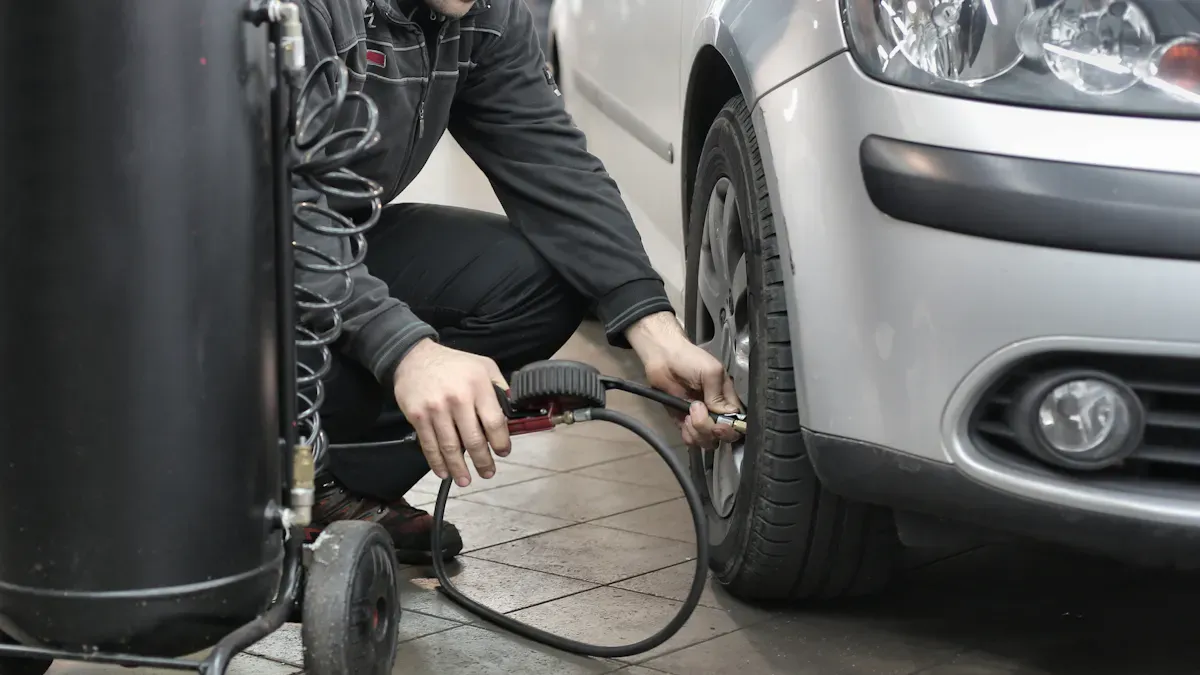
Testing environments
You want to know if safety nuts on wheels work in real life. Engineers test them in places that act like real roads. They change the temperature and add water and road salt. The nuts are tightened and loosened many times. This checks if the lock feature still works. Engineers use machines that shake the nuts to copy bumpy roads and hard hits. These tests show if the nut keeps your wheel safe on potholes, gravel, or during quick stops. You can learn more about these tests at NHTSA’s Vehicle Testing page.
Vehicle and wheel types
You need a safety nut that fits your car and works for how you drive. Tests use many kinds of vehicles and wheels. Engineers pick different bolt patterns and torque levels to match real cars. The table below shows some setups used in tests:
Tests include sedans, SUVs, trucks, and off-road cars. Each one faces different bumps and shakes. The lock must work well for all of them. This way, you know the results are good for any car you drive.
Standards and protocols
You want to be sure your safety nut meets tough rules. Tests follow important industry standards. These rules check torque, rust resistance, and how long the nut lasts. Here are the main standards used in safety nut tests:
FMVSS (Federal Motor Vehicle Safety Standards)
ECE (Economic Commission for Europe) regulations
These rules make sure the lock works after many uses and in bad weather. You know your safety nut is strong and reliable if it passes these tests.
Test results
Performance summary
You want to know if safety nuts work well in real life. Engineers check how these nuts hold wheels during tough driving. Tests show safety nuts stay tight after many bumps and long trips. The results are good for all kinds of vehicles. The lock part keeps working, even with shaking and heavy weight. Safety nuts pass rules for holding power and fighting rust. You can count on these nuts to work every day and in hard times.
Safety nuts stop wheel problems. You get strong fastening, even on bumpy roads or quick stops.
Reliability and durability
You need fasteners that last a long time. Safety nuts use strong materials and smart building methods. These nuts handle tough weather and keep your wheels safe for years. They fight shaking, heat, and heavy loads. The lock part stops the nut from moving, so you do not worry about it coming loose. Here are some main points:
Safety nuts handle lots of shaking and high heat.
The lock part keeps the nut tight, making it reliable.
Tough coatings stop rust and damage.
You get good performance, even after many miles.
Tests show safety nuts still work well after long use. You can trust them for important car parts. For more about fastener strength, visit SAE International.
Field case studies
You want real stories that show how safety nuts work. Engineers tried safety nuts on trucks, cars, and off-road vehicles. In one test, delivery trucks used safety nuts for over 100,000 miles. The lock part kept wheels tight, and drivers had no problems with loose wheels. Another test used SUVs on mountain roads. Safety nuts stayed tight and did not rust, even with road salt and water.
A table shows what field tests found:
Self-locking safety nuts offer a reliable, low-maintenance solution for wheel security. Investing in high-grade, industry-standard fasteners ensures your wheels stay tight and your vehicle remains safe, no matter where you drive.
Practical recommendations
When to use safety nuts
You should use safety nuts whenever you want extra protection for your wheels. If you drive long distances, carry heavy loads, or travel on rough roads, self-locking nuts give you peace of mind. These nuts work well for daily drivers, commercial vehicles, and off-road trucks. You can also use self-locking nuts if you want to reduce how often you check your wheels. Many drivers choose self-locking nuts after experiencing loose wheels or when upgrading to premium wheels. You get better vibration resistance and less risk of wheel loss.
Tip: Choose self-locking nuts if you want to improve safety and reduce maintenance on your vehicle.
Installation and maintenance
Proper installation keeps your self-locking nuts working at their best. Always follow these steps for safe and reliable fastening:
Clean the threads on both the stud and the nut before installation.
Use a calibrated torque wrench to tighten the nuts.
Tighten the nuts in a star pattern to distribute pressure evenly.
Torque the nuts in stages, not all at once.
Follow the recommended torque for your stud size:
1/2" studs: 90–120 ft-lbs
9/16" studs: 120–130 ft-lbs
5/8" studs: 150–200 ft-lbs
Re-torque the nuts before your first road use after installation.
Re-torque again after 10, 25, and 50 miles.
Check and re-torque before every trip or at least every 3,000 miles.
Regular checks help you catch any issues early. Self-locking nuts need less frequent maintenance, but you should still inspect them for wear or damage. Replace any nut that shows signs of corrosion or thread wear.
Cost and benefits
Self-locking nuts cost more than standard nuts, but you get strong value for your money. You save time because you do not need to check your wheels as often. You also avoid costly repairs from wheel loss or damage. The self-locking feature keeps your wheels tight, even in tough conditions. You get better safety, less downtime, and longer-lasting wheel assemblies.
If you need a permanent solution for fastening metal parts, consider weld nuts. Weld nuts, like those from quality supplier, provide a secure, permanent connection for automotive and industrial projects. They work well for body panels, seat brackets, and chassis parts where you want a fixed, reliable joint.
Note: Self-locking nuts and weld nuts each serve a unique purpose. Choose the right fastener for your specific needs to get the best results.
Real-world tests show safety nuts on wheels work well. The hardlock nut is good at stopping loosening from vibration. You get strong wheel fastening and less maintenance. Safety nuts help your wheels stay safe. Choose safety nuts or lock nuts for lasting performance and fewer worries.
Keep checking your wheel fasteners and install them the right way.
Use safety nuts when carrying heavy loads or driving on rough roads
Check torque often
Change nuts if they are worn
FAQ
What makes a safety nut different from a regular nut?
You get extra security with a safety nut. This nut uses a locking feature that keeps it tight, even when your wheel faces vibration. A regular nut can loosen over time. You want a safety nut for better wheel safety.
How does a lock nut work on a wheel?
A lock nut uses a special design to grip the threads. This nut resists turning from vibration or shock. You do not need to worry about the nut coming loose. You get reliable fastening for your wheels.
When should you replace a wheel nut?
You should replace a nut if you see rust, thread damage, or wear. If the lock nut does not hold tight, change it right away. You want to keep your wheels safe and avoid problems on the road.
Can you use a lock nut with alloy wheels?
Yes, you can use a lock nut with alloy wheels. This nut fits many wheel types. You get strong fastening and extra protection. Always check that the nut matches your wheel’s size and shape for the best results.
Do you need special tools to install a lock nut?
Some lock nuts need a special key for installation or removal. This key helps prevent theft. Most safety nuts use standard tools. Always check your nut type before starting the job.
How often should you check your wheel nuts?
You should check your nut torque after installation, then again after 10, 25, and 50 miles. After that, check every 3,000 miles or before long trips. Regular checks keep your lock nut and wheel nut secure.
Are lock nuts reusable?
You can reuse a lock nut if it shows no damage or wear. Always inspect the nut before reinstalling. If the locking feature feels loose, replace the nut. You want the best safety for your wheels.
What is a weld nut and when should you use it?
A weld nut gives you a permanent, strong connection on metal parts. You use this nut when you need a fixed joint, like in automotive body panels or seat brackets.
Get Quote
Welcome To Know Our Products
Get Product and Service Information
Follow us
We provide OEM service and focus on stable quality, competitive pricing and responsive export support.


Contact Info
Add:Dongmingyang Industrial Park, Mingguan Town, Yongnian District, Handan City, Hebei Province China
Export salesman:
WhatsApp:+86 18830064300
E-mail: sales@hgtfix.com
Export salesman:
WhatsApp
+86 18830064300
E-mail:
Copyright © 2022 HEBEI YONGYI FASTENERS MANUFACTURING CO.,LTD Power by 300.cn | SEO