Welcome to Yongyi Fasteners, Your Reliable Fastener Supply Partner!

-
ProductsWe supply flat washers, spring washers, drop-in anchors, anchor bolts, hex nuts, hex bolts, sleeve anchors, threaded rods and OEM fastener products to DIN, BS, ANSI and MS standards.

-
About usHEBEI YONGYI FASTENERS MANUFACTURING CO.,LTD is located in China's largest fasteners production base Yongnian fasteners centre.
-
NewsHebei Yongyi Fasteners shares company updates, product knowledge and fastener industry news for global buyers.
-
ServiceThe products sold throughout the domestic and exported to Southeast Asia and Europe and other countries and regions. Our products win good reputation with domestic and foreign customers.



YONGYI FASTENERS
Support stable quality from material selection, processing and inspection to final delivery.
FOCUS ON HOT SPOTS
Threaded bar rod versus solid rod for your next project
Published:
2026-06-03
Author:
YONGYI FASTENERS
Threaded bar rod or solid rod? Compare strength, adjustability, and durability to choose the right rod for your project’s demands and environment.
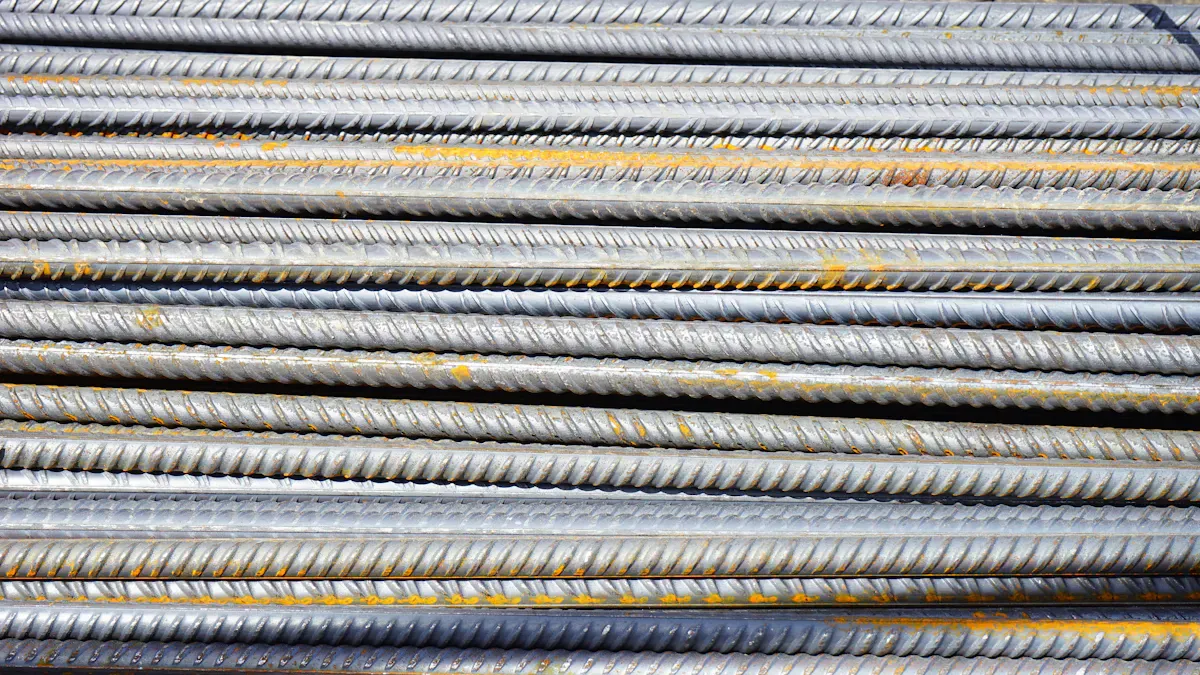
You need to choose the right rod for your project. If you want easy adjustment and quick installation, a threaded bar rod works well. You might need high strength for heavy loads, so a solid rod could be better. Think about how much weight your rod must support. Check if you need to change or move the rod later. Consider if your project faces moisture or harsh weather. Cost and handling matter too. Experts suggest matching the rod type to your exact needs for the safest and most reliable result.
Threaded bar rod pros and cons
Load and strength
Tensile strength
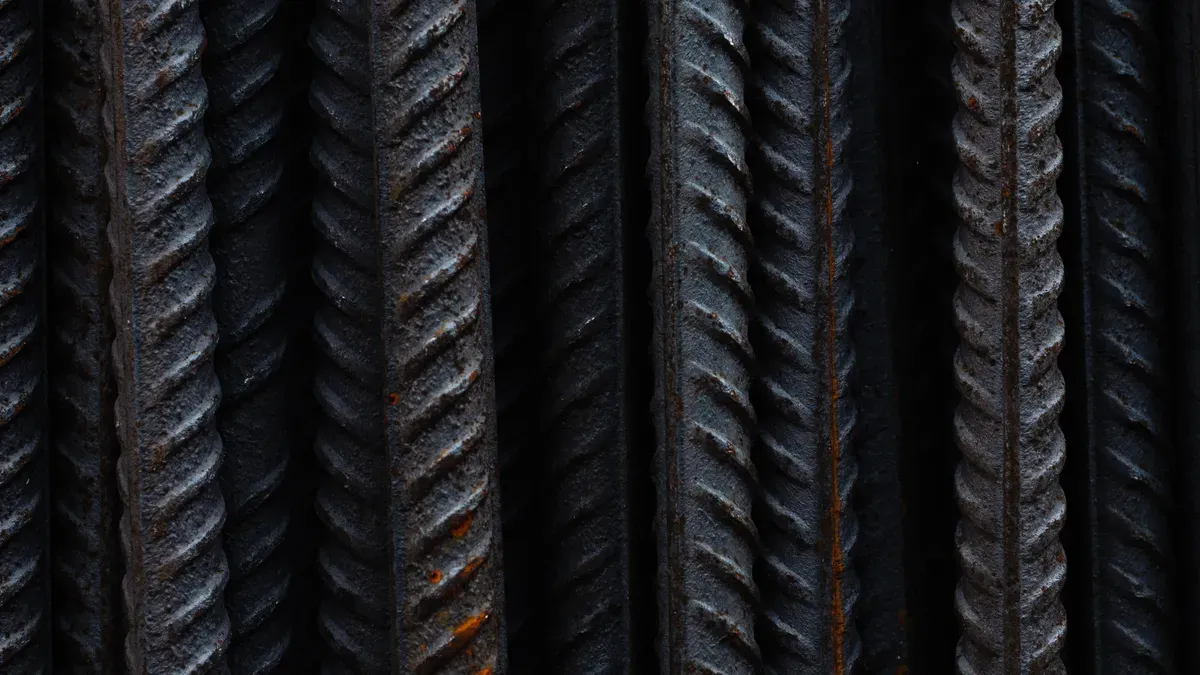
A threaded rod is a good choice when you need strong pulling force. The thread runs all the way along the rod. This lets you put nuts and washers anywhere you want. It helps you make tight connections in ceilings, pipe supports, and bracing. A threaded bar rod can hold things together when you pull on it. But the threads make the middle of the rod a bit thinner than a solid rod. This means it is not as strong as a solid rod for pulling. For most light or medium jobs, a threaded rod is strong enough. If you need to follow strict rules, check the material grade and look at BS EN 10025 for steel details.
Shear resistance
Threaded rods are not as good as solid rods for sideways force. The threads make weak spots that can break if something pushes across the rod. You should not use a threaded bar where it must hold heavy sideways loads. In big frames or machines, a solid rod is better for sideways strength. You can use a threaded bar rod for light brackets, hangers, or supports where sideways force is small.
Versatility and adjustability
Customisation options
A threaded rod gives you lots of choices. You can cut it to any size with a hacksaw or grinder. You can put nuts, washers, or couplers wherever you want. This makes a threaded bar rod great for projects that might change. You can use adjustable flange beam clamps for different beam sizes. Strut beam clamps let you fix to steel beams and make support points. These things help you change your design on site without special tools.
You can:
Make the rod shorter or longer.
Add fittings anywhere.
Use one rod for many beam sizes.
Build frames for HVAC, plumbing, or electric work.
Disassembly and modification
You can take out or move a threaded rod easily. If you want to change your setup, just unscrew the nuts and move the rod or parts. This makes a threaded bar rod good for temporary jobs, repairs, or upgrades. You do not need to weld or drill, so you save time and do not damage other things.
Installation and handling
Weight and transport
Threaded rods are lighter than solid rods of the same size. You can carry and move them more easily. This helps you on site, especially if you work alone or in small spaces. You can cut a threaded bar to the right size, which means less waste and easier transport.
Manual installation speed
You can put in a threaded rod fast with simple tools. You do not need special machines. You can screw on nuts and washers by hand, then tighten with a spanner. This makes your work quicker, especially for small jobs or DIY. You can also change things quickly if you measure wrong.
Tip: Always check the rod’s grade and coating to stop rust, especially in wet or outdoor places. This helps your work last longer and stay safe.
You can see a threaded bar rod is easy to adjust and install, but it is not as strong as a solid rod for heavy jobs.
Durability and corrosion resistance
Coating and grade impact
You want your threaded rod to last a long time. This is important if you use it outside or in wet places. How long a threaded rod lasts depends on its material and surface treatment. Many metal threaded rods have coatings to stop rust and corrosion. Hot-dip galvanised threaded rods are common in building work. This coating makes a thick shield against water and chemicals. Stainless steel threaded rods protect even better. They do not rust easily, even in rain or salty air.
Surface treatments like galvanising or spraying give extra protection. These help your threaded bar rod stay strong and keep its shape. You can pick different grades of threaded rod for each job. Higher grades are stronger and work better in tough places. Always check the grade and coating before you buy a threaded bar rod for outside use.
Note: If you work somewhere with lots of water or chemicals, choose a stainless steel threaded rod or one with a strong coating. This helps you avoid early breaks and expensive repairs.
Service life in harsh environments
A threaded rod has many problems in tough places. Rain, damp, and chemicals can harm metal that is not protected. If you use a plain steel threaded bar, it may rust fast. Rust makes the rod weak and shortens its life. Galvanised and stainless steel threaded rods last much longer. They keep their shape and strength, even in bad weather or near factory fumes.
You should think about where you will use the threaded bar rod. Outdoor jobs, seaside places, and factories need rods that fight rust well. If you pick the right coating and grade, your threaded rod will hold weight for many years. You will spend less time fixing things and avoid sudden breaks.
For outside or wet places, think about:
Hot-dip galvanised threaded rods
Stainless steel threaded rods
You can trust a good threaded rod to work well in hard conditions. This makes it a smart pick for DIY and professional jobs where you need it to last.
Solid rod pros and cons

Load capacity and strength
Tensile strength comparison
You want your project to hold as much weight as possible. Solid rods are stronger than a threaded rod or threaded bar. They do not have threads, so the whole rod is solid metal. This helps the rod handle pulling forces better. Solid rods work well for heavy jobs like building supports or machine frames. BS EN 10025 says solid steel rods are better in tension than a threaded rod. Threads can make weak spots, but solid rods do not have these. That is why solid rods are best when you need lots of strength and trust.
Bending and rigidity
Solid rods are very good at not bending. They are stiff because there are no grooves or threads. This means the rod stays straight and does not bend under weight. You need this for beams, columns, or any job where you want strong support. Engineers pick solid rods for bridges and building frames. These places cannot have rods that bend or break. You get a safe structure that can handle both pulling and pushing.
Expert tip: Pick solid rods if you need to hold a lot of weight and want little movement. You will not have to worry about the rod bending like a threaded rod might.
Simplicity and reliability
Fewer failure points
Solid rods do not have as many weak spots as a threaded rod. There are no threads to strip or break. The rod is smooth all over, so it works the same everywhere. You do not need to check or fix it as often. This makes solid rods good for things you want to last a long time or for important jobs.
Maintenance needs
You do not need to look after solid rods as much. The smooth surface keeps out dirt and rust better than a threaded rod. You do not have to check for damage all the time. Solid rods last longer in tough places, especially if you cover them with a special coating. You get a strong rod that does not need much care.
Note: For rods that last a long time, pick solid rods with the right coating. This helps them stay strong and saves money on repairs.
Installation process
Fastening methods
You can join solid rods by welding, bolting, or using clamps. You do not need threads to hold them in place. This lets you pick the best way for your job. Welding makes a strong join that does not come apart. Clamps let you take the rod off if you need to. You choose what works best for your project.
Cutting and shaping
You can cut and shape solid rods with saws, grinders, or special tools. You can make them the right size and shape for your job. You do not have to worry about matching nuts or fittings like with threaded rods. Solid rods fit special designs and tricky shapes.
Tip: Always measure before you cut. This stops waste and makes sure the rod fits just right.
Durability and corrosion resistance
Surface treatments
You want your solid rod to last in tough conditions. Surface treatments help you protect your rod from rust and damage. You can choose from several options. Galvanising adds a layer of zinc to steel rods. This stops water and chemicals from reaching the metal. Painting or powder coating gives extra protection and colour. Stainless steel rods resist corrosion without extra coatings. Aluminium rods form a natural oxide layer. This makes them strong against rust and weathering. You do not need to worry about frequent maintenance with aluminium. Steel rods can be treated with cold drawing or heat treatment. These processes make the rod stronger and more durable.
You can pick:
Galvanised steel rods for outdoor jobs.
Stainless steel rods for places with lots of moisture.
Aluminium rods for harsh environments and minimal upkeep.
Tip: Always check the surface treatment before you buy. This helps you match the rod to your project’s needs.
Environmental suitability
You must think about where you will use your solid rod. Outdoor jobs need rods that fight rust and weather. Indoor projects may not need as much protection. Aluminium rods work well in factories and seaside locations. They resist corrosion and need little care. Steel rods are essential in structural engineering. You can use coatings to make them last longer in harsh places. If you work in an industrial setting, pick rods with strong treatments. You avoid early failure and costly repairs.
Solid rods suit many environments. You can use them in bridges, buildings, and machines. You get strength and reliability. You do not have to worry about weak spots like you do with a threaded rod or threaded bar. You can trust a solid rod to hold up under heavy loads and tough weather.
Cost and sourcing
Material costs
You need to consider the price of your rod. Solid rods cost more than a threaded rod because they use more metal. Stainless steel and aluminium rods are more expensive than plain steel. You pay more for rods with special treatments. Galvanised and powder-coated rods cost extra but last longer. You save money on repairs and replacements. You must balance cost with performance. If you need high strength and durability, a solid rod is worth the investment.
Note: You can reduce costs by choosing the right material and treatment for your environment.
Availability
You can find solid rods in many sizes and materials. Steel rods are easy to source for most projects. Stainless steel and aluminium rods are available for special jobs. You may need to wait for custom sizes or treatments. Threaded rod and threaded bar are more common in hardware shops. You can get them quickly for repairs or temporary jobs. Solid rods are best for permanent installations and heavy loads. You get reliability and long-term value.
You must plan ahead if you need special rods. You avoid delays and keep your project on track. You can trust solid rods to deliver strength and durability. You do not have to worry about weak points or frequent maintenance. You get peace of mind and a safe result.
Rod support systems and project comparison
Choosing based on load
Load-bearing needs
You must match your rod support systems to the weight your project will carry. If you choose a threaded rod, you get flexibility for light to medium loads. The threaded surface lets you add nuts and washers anywhere, which helps you adjust the support. For heavy loads, a solid rod gives you more strength. The solid metal resists stretching and bending better than a threaded rod. You should always check the diameter and material. A larger diameter means the rod can hold more weight. Steel rods give you higher strength than aluminium or brass.
When you plan your project, consider these factors:
The total weight the rod must support.
The type of material (steel, stainless steel, aluminium).
The rod diameter.
The thread standard for compatibility with fittings.
The environment where you will use the rod.
You also need to think about the type of force. A threaded rod works well for pulling forces (tensile load). A solid rod handles both pulling and sideways forces (shear load) better. Always check the working load limit and use a safety factor. This keeps your project safe if the load changes.
Adjustable versus fixed support
You need to decide if you want to change your rod support systems later. A threaded rod gives you easy adjustment. You can move nuts and washers to change the height or position. This suits projects where you might change the design, such as hanging pipes or building temporary supports. You can also use a threaded bar for repairs or upgrades. If you want a fixed support, a solid rod is better. You weld or clamp it in place. This gives you a strong, permanent connection. You use solid rods in beams, columns, or machine frames where you do not want movement.
Tip: Use a threaded rod for adjustable fixtures and a solid rod for permanent, heavy-duty supports.
Environmental factors
Corrosion and moisture
You must protect your rods from rust and damage. If you use a threaded rod outdoors or in damp places, pick one with a galvanised or stainless steel finish. The threaded design can trap water, so coatings are important. Solid rods also need protection, but their smooth surface sheds water better. Stainless steel rods resist corrosion in wet or salty air. Aluminium rods form a natural layer that stops rust. You should always match the rod material and coating to your environment.
Indoor/outdoor suitability
You need to choose the right rod for where you will use it. A threaded rod works well indoors, where there is less moisture. You can use it for ceiling hangers, light fixtures, or shelving. For outdoor jobs, pick a solid rod or a coated threaded rod. Solid rods give you more strength and last longer in harsh weather. If you work near the sea or in factories, use stainless steel or aluminium rods. These resist corrosion and need less maintenance.
Long-term performance
Durability over time
You want your rod support systems to last. A threaded rod with a good coating can resist rust and wear for many years. The threaded design spreads the force over a large area, which makes the connection stable. This helps the rod handle vibrations and heavy use. Solid rods last even longer in tough jobs. Their smooth surface and solid core give you high strength and low risk of breakage. You should always check the rod’s grade and surface treatment before you buy.
Maintenance and modification
You need to think about future changes. A threaded rod lets you take parts off and put them back easily. You can replace nuts, washers, or even the rod itself without cutting or welding. This saves you time and money on repairs. Solid rods need more work to change. You must cut, weld, or grind them if you want to modify the support. This takes more skill and tools.
Note: Choose a threaded rod if you want easy maintenance and upgrades. Pick a solid rod for long-term, low-maintenance strength.
You can see that both threaded rod and solid rod have their place in rod support systems. Your choice depends on the load, environment, and how much you want to change the support in the future. Always check standards like BS EN 10025 for guidance on material grades and safety.
Safety and compliance
Standards and codes
You must follow safety standards when you use a threaded rod or a solid rod in your project. These rules help you avoid accidents and make sure your work meets building codes. You find that many building codes list the right grades and coatings for a threaded rod. Experts say you should always check the load rating on the packaging. This tells you how much weight the threaded rod can hold. You must also look for markings that show the rod meets national or international standards.
You see that a threaded rod often comes with a grade stamp. This stamp shows the strength of the metal. You should match the grade to your project’s needs. For example, a high-grade threaded rod works best in structural supports. Lower grades suit lighter jobs. You must also check the thread type. Some projects need a metric threaded rod, while others use imperial threads. Using the wrong thread can cause failure.
Solid rods also follow strict standards. You must check the material and size before you start. You should always use rods that meet the right codes for your country. This keeps your project safe and legal.
Tip: Always keep the product label or certificate. You may need to show proof of compliance during inspections.
Risk mitigation
You can reduce risks by choosing the right rod and installing it correctly. A threaded rod gives you flexibility, but you must not overload it. You should never use a threaded rod for loads above its rating. The threads can weaken the rod if you use it in the wrong way. You must use washers and nuts that fit the threaded rod. Loose fittings can slip and cause accidents.
You should protect a threaded rod from rust. Corrosion can make the threads weak and unsafe. You can use a galvanised or stainless threaded rod in wet places. You must check the rod for damage before you use it. Bent or rusty rods should not go into your project.
Solid rods give you more strength, but you must weld or clamp them properly. Poor welding can cause breaks. You should always follow the instructions for cutting and joining rods. You must wear safety gear when you cut or grind metal.
You can use this checklist to lower risks:
Check the load rating for every threaded rod.
Match nuts and washers to the thread type.
Use the right coating for the environment.
Inspect rods for bends, rust, or cracks.
Follow all safety rules for cutting and joining.
Keep records of grades and certificates.
Note: You lower risks when you follow standards and check your materials. You keep your project safe and strong.
You see that safety and compliance are not just rules. They protect you, your team, and anyone who uses your project. You must always choose the right threaded rod or solid rod for the job. You should never guess about grades or coatings. You build trust when you follow the codes and use expert advice.
Applications and recommendations
Threaded bar rod uses
Adjustable fixtures
Sometimes you need your project to be flexible. A threaded rod helps you do this. You can move nuts and washers up or down the rod. This is useful for things like hanging ceilings or cable trays. You can change the height or angle without cutting new rods. Experts say a threaded rod is good for shelves you want to move. You can use the same rod again for different setups.
Repair and retrofitting
You might need to fix or improve something that is already built. A threaded rod is handy for repairs. You can put the rod through old holes and hold it with nuts. You do not need to weld or make new holes. You can also use a threaded rod to add new supports to beams or walls. The threads let you change things without taking everything apart. This saves you time and stops big messes.
Solid rod uses
Structural supports
You need strong support for heavy jobs. A solid rod gives you this strength. You can use a solid rod in columns, beams, or frames. These are places where safety is very important. Engineers pick solid rods for bridges, towers, and machines. The solid shape does not bend or break easily. You feel safe when you use a solid rod for important jobs.
Permanent installations
You want something that will last a long time. A solid rod is good for things you do not want to move. You can weld or clamp a solid rod in place. This keeps it steady for years. It works well for fences, gates, and building frames. You do not need to move or adjust the rod after you put it in. You do less maintenance and avoid weak spots.
Decision checklist
Key questions
Think about these questions before you pick a rod:
Do you need to move or adjust the rod later?
Will the rod hold a lot of weight or strong force?
Is your project going to be there for a short or long time?
Will the rod get wet or face bad weather?
Do you want to put it in quickly or have it last for years?
Summary of pros and cons
Tip: Use a threaded rod if you want to adjust or fix things. Pick a solid rod for jobs that need to be strong and last a long time.
You can choose the best rod for your project by thinking about these things. You make your work safer, save time, and get the best results.
You must weigh the benefits of each option. A threaded rod gives you quick adjustment and easy installation for changing setups. You should choose a solid rod when you need maximum load strength and long-term durability. Think about your project’s environment and how often you plan to modify the support. Experts recommend matching your rod to the job’s demands for the safest result.
FAQ
What are the main threaded rod types?
You find several threaded rod types, such as fully threaded, partially threaded, and double-ended. Each type suits different tasks. Fully threaded rods work well for adjustable supports. Partially threaded rods give extra strength at the ends. Double-ended rods help when you need two different thread sizes.
How to use threaded rod in carp fishing?
You use a threaded rod to build custom rod pods or bank sticks for carp fishing. The rod lets you adjust height and angle. Many anglers prefer this setup for stability. You can also use threaded studding to repair or upgrade your fishing gear quickly.
How do you cut threaded rod safely?
You cut threaded rod with a hacksaw or angle grinder. Mark the length first. Wrap tape around the cut point to stop threads from fraying. After cutting, file the end smooth. This method works for both fishing setups and building projects.
Why do carp anglers choose solid rods for permanent setups?
Carp anglers often pick solid rods for permanent bank sticks or rod pods. Solid rods resist bending and last longer in tough fishing conditions. You get more reliability when you fish in strong currents or windy weather.
Can you use threaded rod for temporary fishing repairs?
Yes, you can use threaded rod for quick repairs during fishing trips. If your rod pod breaks, cut threaded rod to size and secure it with nuts. This solution helps you keep fishing without delay. Many carp angling experts recommend carrying spare rods for emergencies.
What is the difference between threaded rod and threaded studding?
Threaded rod and threaded studding mean the same thing in most cases. Both describe a long metal bar with threads along its length. You use them for adjustable supports in fishing, building, or repairs. Always check the material and size before you buy.
How does weather affect rod choice for fishing?
Wet or salty air can cause rods to rust. For carp fishing, choose stainless steel or galvanised rods. These resist corrosion and last longer. You protect your gear and enjoy more time fishing. Experts suggest checking rods for rust before each trip.
How to cut threaded rod for carp angling setups?
You measure the needed length, then use a hacksaw or grinder to cut threaded rod. Always smooth the ends with a file. This keeps your fishing gear safe and easy to use. Many anglers keep spare rods and tools in their tackle box.
Tip: Always wear safety goggles when you cut metal rods for fishing or building projects.
Get Quote
Welcome To Know Our Products
Get Product and Service Information
Follow us
We provide OEM service and focus on stable quality, competitive pricing and responsive export support.


Contact Info
Add:Dongmingyang Industrial Park, Mingguan Town, Yongnian District, Handan City, Hebei Province China
Export salesman:
WhatsApp:+86 18830064300
E-mail: sales@hgtfix.com
Export salesman:
WhatsApp
+86 18830064300
E-mail:
Copyright © 2022 HEBEI YONGYI FASTENERS MANUFACTURING CO.,LTD Power by 300.cn | SEO