Welcome to Yongyi Fasteners, Your Reliable Fastener Supply Partner!

-
ProductsWe supply flat washers, spring washers, drop-in anchors, anchor bolts, hex nuts, hex bolts, sleeve anchors, threaded rods and OEM fastener products to DIN, BS, ANSI and MS standards.

-
About usHEBEI YONGYI FASTENERS MANUFACTURING CO.,LTD is located in China's largest fasteners production base Yongnian fasteners centre.
-
NewsHebei Yongyi Fasteners shares company updates, product knowledge and fastener industry news for global buyers.
-
ServiceThe products sold throughout the domestic and exported to Southeast Asia and Europe and other countries and regions. Our products win good reputation with domestic and foreign customers.



YONGYI FASTENERS
Support stable quality from material selection, processing and inspection to final delivery.
FOCUS ON HOT SPOTS


Top 5 Common Screw Bolt Issues and How to Fix Them Quickly
Published:
2026-06-03
Author:
YONGYI FASTENERS
Solve common screw bolt issues like stripping, loosening, rust, and breakage with quick, practical fixes to keep your fasteners secure and reliable.
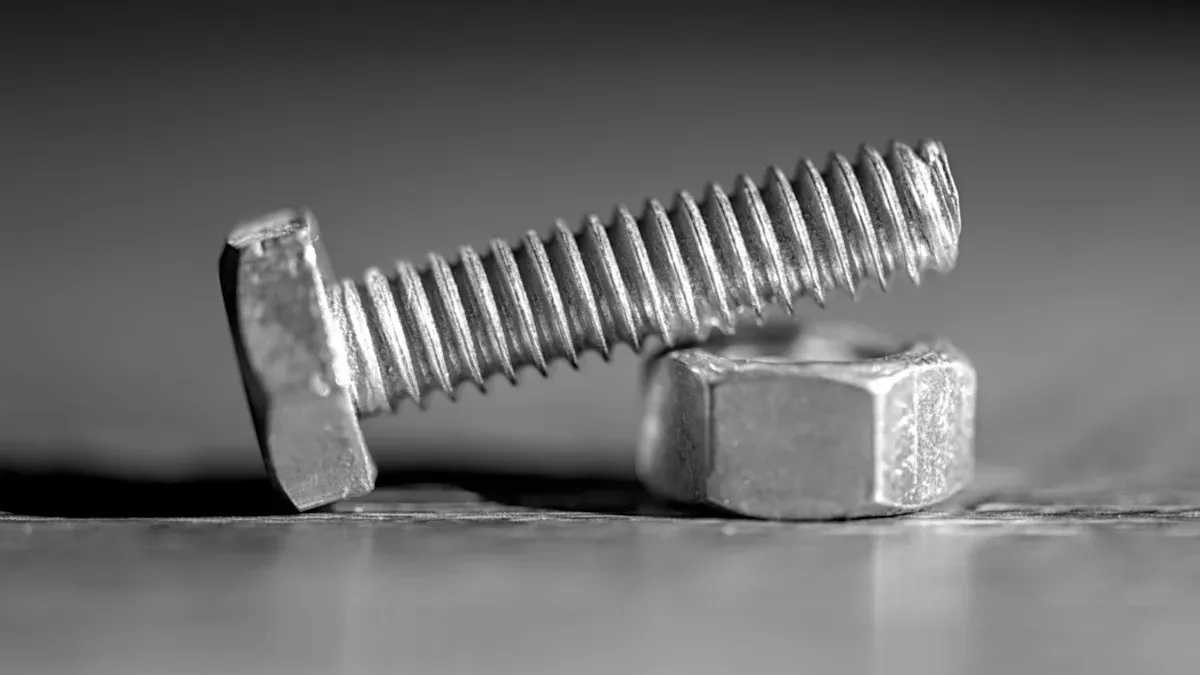
You try to tighten a shelf, but the screw bolts just will not cooperate. The screwdriver slips, or the bolt seems stuck, and frustration builds. You might wonder if you used the right tool or applied too much force. > Most people face these everyday problems, but you can fix them quickly with the right approach. You do not need to be an expert—just follow a few simple steps, and you will see results.
Key Takeaways
Use the correct tool size so screw heads don’t get stripped.
Push steadily to avoid tightening bolts too much.
Check bolts often so they don’t come loose.
Use thread-locking glue to keep bolts tight.
Pick rust-proof materials to stop rusting.
Line up bolts properly to avoid cross-threading.
Use a torque wrench to stop bolts from breaking.
Stripped Screw Heads
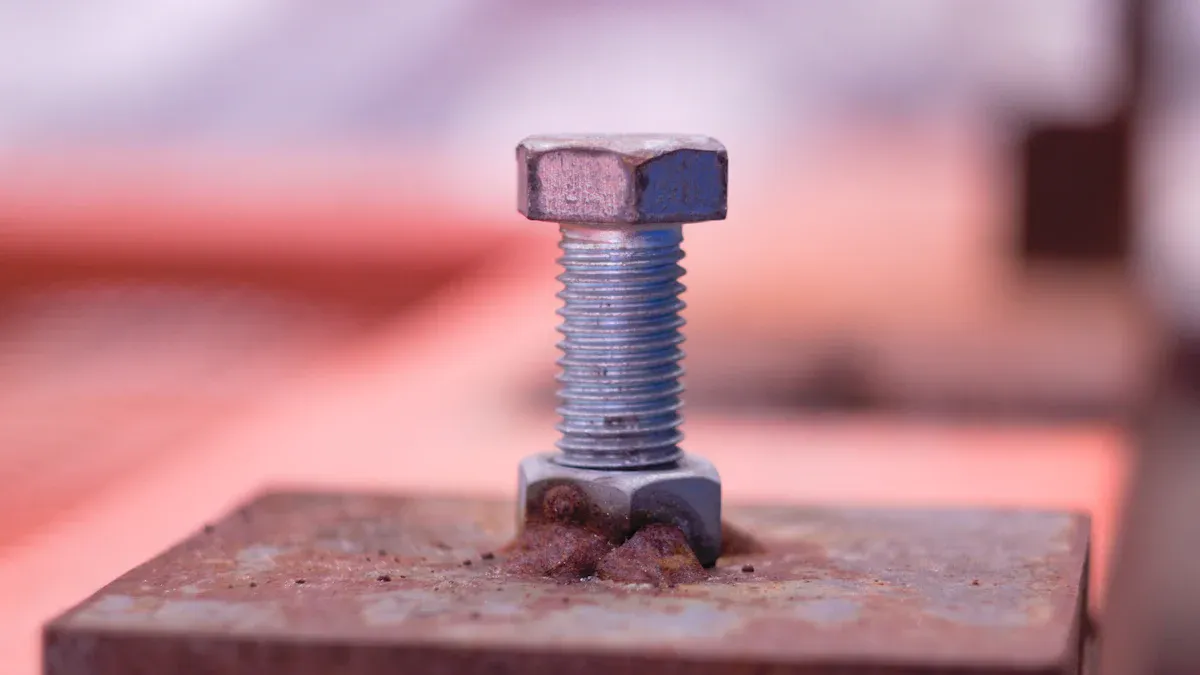
Causes of Stripping
Over-tightening
You often strip screw heads when you apply too much force. Over-tightening of bolts increases tension and damages the slot. This makes the head smooth and hard to grip. Many fasteners fail because users do not stop at the right moment. You should tighten bolts only until they feel secure. If you keep turning, you risk failure and bolt loosening.
Wrong tool use
Using the wrong tool leads to stripping. If you use a screwdriver that does not fit the screw head, you slip and damage the slot. Poor quality tools also cause problems. You must match the tool to the screw type. This prevents unnecessary wear and keeps fasteners in good condition.
Tip: Always check the tool size before you start. A snug fit protects the screw head.
Removing Stripped Heads
Rubber band method
Place a wide rubber band over the stripped screw head. Press the screwdriver firmly into the band and turn slowly. The rubber band fills gaps and gives extra grip. This method works well for screws with minor damage.
Specialised extractors
If the rubber band fails, use a screw extractor. These tools grip stripped heads and remove them with ease. You insert the extractor into the screw and turn counter-clockwise. Extractors work for bolts and screws with severe damage. You can find more details about screw extractors and their effectiveness on Wikipedia.
Preventing Stripping
Correct screwdriver size
You prevent stripping by using the right screwdriver size. Match the tool to the screw head. This keeps fasteners intact and avoids unnecessary loosening. You should check the fit before you start any job.
Avoiding excess force
Apply steady pressure, but do not force the tool. If you feel resistance, stop and check alignment. Excess force leads to over-tightening and causes of loose bolts. You protect the quality of your fasteners by working carefully.
Note: Stripped screw heads are common in areas with frequent vibration. Regular checks help you spot problems early.
You can avoid stripping by following these simple steps. Use proper tools, apply the right amount of force, and check your work often. These habits keep your screw bolts secure and prevent future failure.
Loose Screw Bolts
Why Bolts Loosen
Vibration
Bolts can get loose when things shake a lot. Machines and cars move and make bolts shake. This shaking makes bolts lose their grip. Heat or lots of shaking can make bolts loose faster. You should check bolts where there is always movement. In cars, vibration is often why bolts fail.
Thermal expansion
Changes in temperature can make bolts loose. When metal gets hot, it gets bigger. When it cools, it gets smaller. This can make small gaps and weaken the bolt’s hold. Engines and things outside often have this problem. Strong chemicals can also make bolts weaker and easier to loosen.
Note: Check bolts after they get hot or touch chemicals. Early checks help you stop bolts from getting loose.
Quick Tightening Fixes
Torque wrench use
A torque wrench helps you tighten bolts just right. This tool makes sure you do not use too much force. It keeps bolts safe and stops damage. Using a torque wrench keeps your work strong. Experts say to use a torque wrench for important jobs.
Regular checks
You need to check bolts and screws often. Loose bolts can break things or cause danger. Make a plan to check them. Look for loose bolts and tighten them if needed. Checking often helps you stop bolts from coming loose.
Tip: Draw a mark on bolts after you tighten them. If the mark moves, you know the bolt is loose.
Securing Screw Bolts
Thread-locking adhesive
Thread-locking adhesive helps keep bolts tight. It fills spaces and locks the bolt in place. Put the adhesive on when you install the bolt. This stops bolts and screws from coming loose. It makes the connection stronger and safer.
Lock washers
Lock washers help bolts stay tight. They add extra grip and tension. Put a lock washer under the bolt head. The washer stops the bolt from moving. Lock washers work well where there is a lot of shaking.
Callout: You can stop bolts from getting loose by using glue, washers, and checking often. This keeps things safe and stops problems.
You need to know how to keep bolts tight. Use the right tools, use special products, and check bolts often. These steps help you stop screws from coming loose and keep your work strong.
Screw Bolt Corrosion
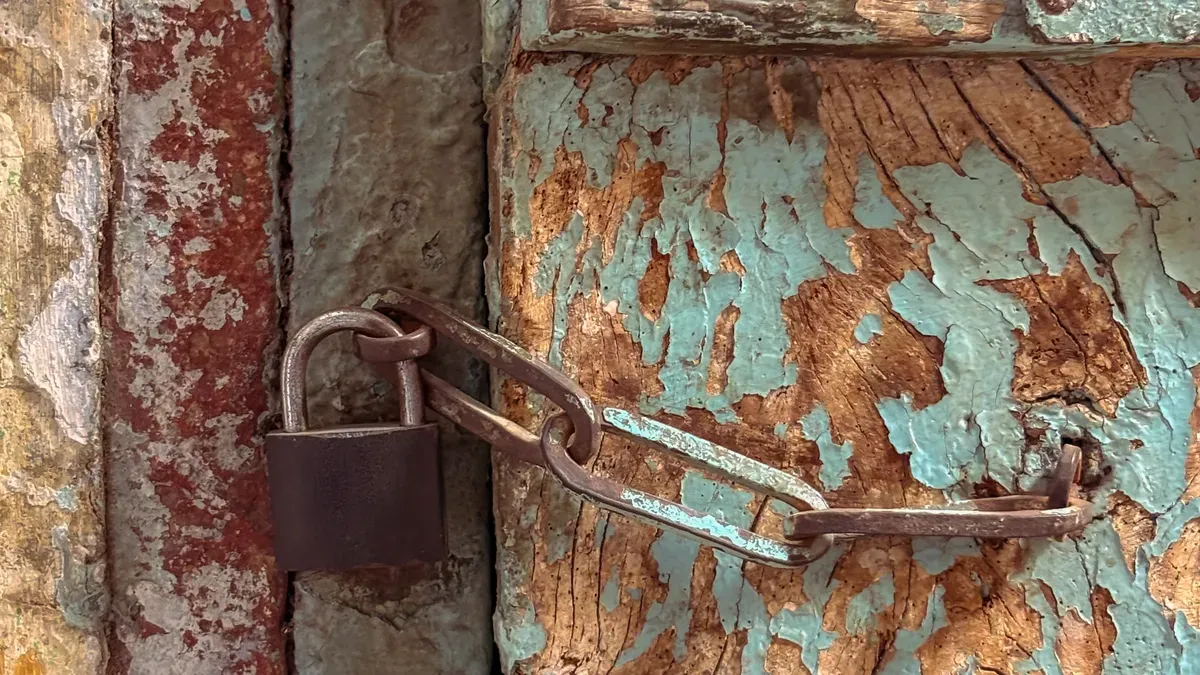
Causes of Rust
Moisture exposure
Rust appears when water touches metal. Even inside, air has moisture that can settle on screw bolts. Outside, rain and humidity make rust happen faster. Water causes a chemical change that weakens the fasteners. Rust shows up quickly if you leave bolts exposed to the weather.
Poor material choice
Using the wrong metal makes rust happen sooner. Cheap metals lose their protective coating easily. Daily rubbing and friction scratch the surface, letting water in. Pollution and sunlight also speed up rusting. To avoid early damage, pick high-quality fasteners.
Tip: Always check bolts for scratches or wear. Small marks let water reach the metal and cause rust.
Main causes of screw bolt corrosion:
Water is always around, even in dry places, which speeds up rust.
The type of metal matters; cheap metals rust faster if their protection is broken.
Daily rubbing creates tiny scratches that let water in and cause rust.
Pollution and sunlight can greatly increase how fast rust forms.
Removing Rusted Bolts
Penetrating oil
Use penetrating oil to loosen rusty bolts. Spray it directly on the rusted area. Wait a few minutes so the oil can soak in. The oil reduces the tightness and makes turning easier. Work slowly to avoid damaging the fastener.
Rust remover
Put a rust remover on the bolt to dissolve the rust. Follow the instructions on the bottle. Gently scrub to remove rust without hurting the threads. Rust removers work well for very rusty bolts. They help keep the fasteners in good shape and stop them from coming loose suddenly.
Note: If bolts stay stuck after treatment, you might need special tools or expert help.
Preventing Corrosion
Stainless or coated bolts
You stop rust by choosing the right materials. Stainless steel washers resist rust and last longer. Brass washers are strong and look nice. Phosphor bronze washers also protect against rust. You can also get bolts with coatings like hot dip galvanised, electroplating, DACROMET, or Sherardized. These coatings protect fasteners from water and pollution.
Protective coatings
Put protective coatings on screws and bolts before fixing them. These coatings block water and lower rust risk. Use special finishes in places with high humidity or pollution. Coatings help fasteners last longer and stop them from failing.
Callout: Protect screw bolts from rust by using rust-resistant materials and coatings. This keeps fasteners strong and prevents them from coming loose by themselves.
Keep your screws and bolts in good shape by removing rust quickly and choosing the right materials. Regular checks and proper fitting help stop rust and loss of tension.
Cross-Threaded Bolts
Spotting Cross-Threading
Misalignment
You notice cross-threading when the bolt does not line up with the hole. The threads look uneven, and the bolt sits at an angle. Misalignment causes the threads to cut into each other, which weakens the fasteners. If you see the bolt leaning or not fitting smoothly, stop and check the position.
Hard turning
When you turn the bolt and feel strong resistance, you might have cross-threading. The bolt should turn easily at first. If you need extra force, the threads could be damaged. Hard turning increases tension and leads to failure. You should never force bolts if they do not move freely.
Tip: Always start bolts by hand. If you feel resistance, remove the bolt and inspect the threads.
Fixing Cross-Threads
Re-threading tools
You can fix cross-threaded screws using re-threading tools. These tools reshape damaged threads and restore the quality of the fasteners. Place the tool on the bolt and turn gently. The tool cuts new threads and removes old damage. Experts recommend using re-threading tools for mild cross-threading. For more information, visit Engineering Toolbox - Thread Repair.
Thread repair kits
Thread repair kits help you fix severe cross-threading. These kits include inserts and special tools. You drill out the damaged threads, then install a new insert. The insert creates strong, new threads. Thread repair kits work well for bolts in machinery and vehicles. You restore the strength and prevent spontaneous loosening.
Avoiding Cross-Threading
Proper alignment
You prevent cross-threading by aligning bolts carefully. Hold the bolt straight and start turning by hand. If the bolt does not fit, check the hole and threads. Proper alignment keeps fasteners strong and avoids tension loss.
Use of guides/jigs
Guides and jigs help you install bolts and screws with precision. These tools hold the bolt in place and ensure correct alignment. You use guides in assembly lines and DIY projects. Guides reduce the risk of cross-threading and improve the quality of your work.
Callout: Careful alignment and the use of guides protect fasteners from damage and failure.
You spot cross-threading by checking for misalignment and hard turning. Fix damaged threads with re-threading tools or repair kits. Prevent cross-threading by aligning bolts and using guides. These steps keep screw bolts secure and maintain the quality of your fasteners.
Cross-Threading Repair Success Rates
Note: Experts say that regular inspection and careful installation reduce cross-threading incidents. You protect fasteners and avoid spontaneous loosening by following these practices.
Broken or Snapped Screw Bolts
It is annoying when screw bolts break or snap. This can happen when you are putting things together or fixing them. If you know why bolts break, you can stop it from happening again. You can also learn how to remove broken bolts and make your work better next time.
Why Bolts Break
Over-tightening
If you use too much force, bolts can break. When you tighten bolts too much, they get weak. The bolt might snap if you keep turning it. Small or thin bolts break more easily. Too much pressure makes bolts fail suddenly. This often happens when you need the bolt most. You should use the right amount of force. A torque wrench helps you tighten bolts safely. This tool stops you from making bolts too tight or too loose.
Material fatigue
Bolts can get weak if they face stress many times. Vibration, heat, or chemicals can make bolts tired. Over time, small cracks form and bolts break. In cars, bolts shake and get hot and cold a lot. This makes them wear out faster. Bolts made from strong materials last longer. Stainless steel bolts or vibration-resistant screws are good choices. Checking bolts often helps you find problems early. This stops bolts from breaking without warning.
Removing Broken Bolts
Bolt extractors
It is hard to take out a broken bolt. Bolt extractors are special tools for this job. First, you drill a hole in the middle of the broken bolt. Then you put the extractor inside. Turn it the other way to pull out the bolt piece. This works well for bolts in machines or cars. If you do not remove the bolt, repairs can cost a lot.
Applying heat or oil
Sometimes heat or oil can help remove a stuck bolt. Heat makes the metal bigger and easier to move. Penetrating oil goes into the threads and makes them slippery. Spray oil on the bolt and wait a bit. Try again after a few minutes. You might need to do this more than once if the bolt is rusty. Using both heat and oil can work best.
Preventing Breakage
Correct bolt size/type
Pick the right bolt for your job. Use bolts made from good materials. This stops them from breaking. For machines, use bolts that do not shake loose. For outside jobs, use bolts that do not rust. The right bolt keeps things safe and strong. Do not use the wrong size or type.
Proper tightening
Follow the steps for putting in bolts. Use a torque wrench to get the tension right. Do not make bolts too tight. This stops them from snapping. Check bolts often to make sure they are safe. Teach your team how to put in bolts the right way. This helps stop mistakes and keeps bolts from breaking.
To stop bolts from breaking, pay attention when you work. Use good bolts, check them often, and tighten them the right way. These steps make bolts last longer and save money.
If you install bolts properly and check them often, they are less likely to break. Always use the correct tools and follow good steps to keep things safe and strong.
You can fix screw bolt problems fast if you use the right tools. Stripped heads, loose bolts, corrosion, cross-threading, and breakage all cause trouble if you do not fix them. Check bolts often and tighten them the right way to keep them strong. Experts say you should control torque and test important joints.
Follow these steps to keep your fasteners tight. Regular checks stop problems and help keep your work safe.
FAQ
How can I prevent screw bolt failure?
Pick the right size and type of bolt for your job. Tighten bolts with the correct amount of force. Check bolts often and swap out any that look worn or rusty. Looking after bolts well stops them from failing and helps them last longer.
What affects the quality of screw bolts?
The metal used, how bolts are made, and their coatings all matter. Good bolts do not rust or wear out quickly. They work well even when things shake or pull on them.
How do I know if a bolt is too tight?
A bolt is too tight if it feels very hard to turn. If you keep turning and the bolt gets damaged, it is too tight. Use a torque wrench to make sure you do not use too much force.
Why do bolts loosen over time?
Bolts get loose because of shaking, heat changes, or poor locking. Check bolts often and use thread-locking glue to keep them tight.
What is the best way to remove rusted bolts?
Spray oil on the rusty bolt and let it soak in. For lots of rust, use a rust remover. These steps help you take out the bolt without breaking it.
How can cross-threaded bolts be fixed?
Fix damaged threads with re-threading tools or repair kits. Make sure bolts line up straight when you put them in to stop this problem.
What causes bolts to break?
Bolts break if you tighten them too much or if they get weak over time. Too much force makes bolts snap. Use the right tools and do not over-tighten to keep bolts safe.
How do I choose the right bolt for a high-stress application?
Pick bolts made from strong metals with good coatings. Think about how much force, shaking, or weather the bolt will face. This helps you choose bolts that will last.
Get Quote
Welcome To Know Our Products
Get Product and Service Information
Follow us
We provide OEM service and focus on stable quality, competitive pricing and responsive export support.


Contact Info
Add:Dongmingyang Industrial Park, Mingguan Town, Yongnian District, Handan City, Hebei Province China
Export salesman:
WhatsApp:+86 18830064300
E-mail: sales@hgtfix.com
Export salesman:
WhatsApp
+86 18830064300
E-mail:
Copyright © 2022 HEBEI YONGYI FASTENERS MANUFACTURING CO.,LTD Power by 300.cn | SEO