Welcome to Yongyi Fasteners, Your Reliable Fastener Supply Partner!

-
ProductsWe supply flat washers, spring washers, drop-in anchors, anchor bolts, hex nuts, hex bolts, sleeve anchors, threaded rods and OEM fastener products to DIN, BS, ANSI and MS standards.

-
About usHEBEI YONGYI FASTENERS MANUFACTURING CO.,LTD is located in China's largest fasteners production base Yongnian fasteners centre.
-
NewsHebei Yongyi Fasteners shares company updates, product knowledge and fastener industry news for global buyers.
-
ServiceThe products sold throughout the domestic and exported to Southeast Asia and Europe and other countries and regions. Our products win good reputation with domestic and foreign customers.



YONGYI FASTENERS
Support stable quality from material selection, processing and inspection to final delivery.
FOCUS ON HOT SPOTS
What Is an HD Screw and Where Is It Used
Published:
2026-06-22
Author:
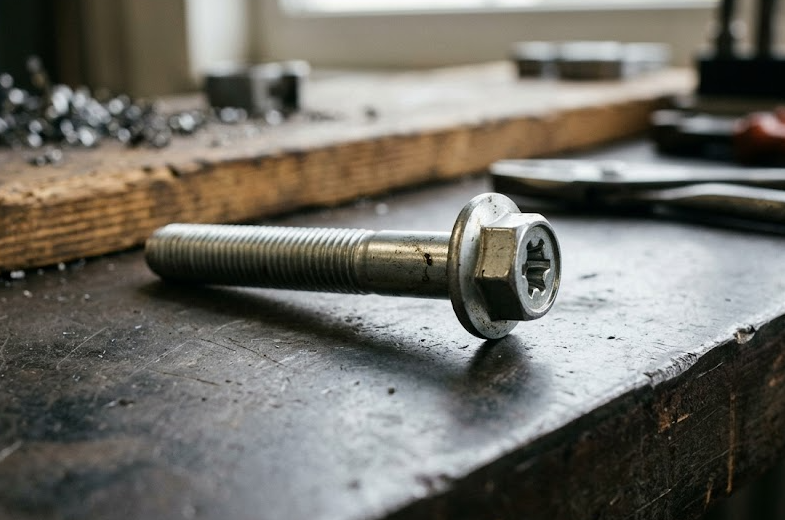
You see many fasteners, but an hd screw is known for being strong and dependable. Knowing which screw to use helps you hold heavy things together, stop things from breaking, and make sure your work lasts a long time. People who work with tools and those who do projects at home both need to know when something strong is needed.
Think about your next project—do you need more strength or support? Picking the right fastener can change how well your project works.
HD Screw Definition
What Is an HD Screw?
An hd screw is a heavy-duty fastener. You use it when you need extra strength and support. Builders and engineers choose this type of screw for tasks that involve large loads or tough materials. The hd screw stands out because it resists bending and breaking, even under pressure. You can find more about fastener types and their uses on Wikipedia’s Fastener page.
Tip: If you want your project to last, always check if you need an hd screw instead of a regular one.
HD vs Standard Screws
You might wonder how an hd screw differs from a standard screw. The main differences are in strength, durability, and design. An hd screw has a thicker shaft, a larger and stronger head, and uses tougher materials. These features help it hold heavy objects and resist damage.
Here is a simple chart to show the differences:
You should use an hd screw when you need more holding power or when safety is important.
Key Features
Shaft Thickness
The shaft of an hd screw is much thicker than that of a standard screw. This thickness gives it more strength. You can drive it into hard materials without worrying about snapping or bending.
Head Design
The right screw head makes a big difference. An hd screw often has a wide, reinforced head. This design spreads the force over a larger area. You get better grip and less risk of the head stripping. Choosing the right screw head also helps you match your tools and the material you are working with.
Material Choices
You find hd screws made from hardened steel, stainless steel, or special alloys. These materials resist rust and wear. You can use them outdoors or in damp places without worry. The tough material also means the hd screw lasts longer, even in harsh conditions.
Note: Always match the hd screw material to your project’s needs. For example, use stainless steel for outdoor jobs.
HD Screw Types
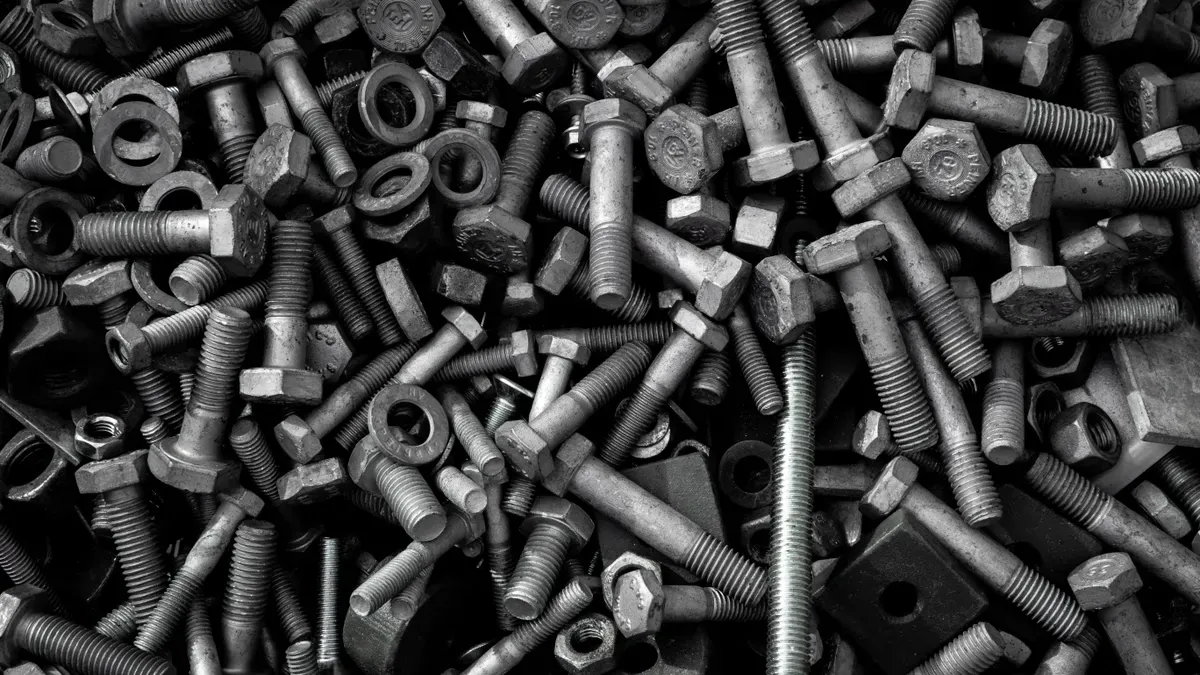
Wood HD Screws
You use wood HD screws when you need to join timber or wooden boards. These screws have deep, sharp threads that grip wood fibres tightly. The design prevents splitting and gives you a strong hold, even in softwood or hardwood. The head often sits flush with the surface, which helps you achieve a neat finish.
Key Features:
-
Deep threads for maximum grip in wood
-
Hardened steel or coated for rust resistance
-
Flat or countersunk heads for a smooth surface
Tip: Choose a screw length that reaches at least halfway into the second piece of wood. This gives you the best strength.
You find wood HD screws in furniture building, decking, and structural framing. If you work on outdoor projects, pick screws with weatherproof coatings. This stops rust and extends the life of your work.
Metal HD Screws
You use metal HD screws to fasten metal sheets, beams, or brackets. These screws have a self-tapping tip, which means you can drive them directly into metal without pre-drilling in many cases. The threads are finer and closer together than wood screws. This design helps you cut into metal and hold it securely.
Common Types:
-
Self-tapping screws for thin metal
-
Machine screws for pre-threaded holes
-
Hex head for high torque applications
Note: Always match the screw material to the metal you are joining. This prevents corrosion from mixed metals.
You see metal HD screws in construction, machinery, and electrical panels. If you need to join thick steel, use a pilot hole for best results.
Concrete HD Screws
You use concrete HD screws when you need to anchor objects to masonry, brick, or concrete. These screws have hardened, often blue-coated steel bodies. The threads are wide and aggressive, which helps them bite into hard surfaces.
Features to Look For:
-
Hardened steel for drilling into concrete
-
Special coatings for corrosion resistance
-
Hex or flat heads for easy driving
Callout: Clean the hole before inserting the screw. Dust can reduce holding power.
You rely on concrete HD screws for mounting shelves, securing frames, or fixing equipment to walls and floors. These screws save you time because you do not need expansion plugs in many cases. Always use the correct drill bit size for the best grip.
Specialised Types
Sometimes, a standard HD screw will not work for your job. Specialised HD screws help with special problems in building and fixing things. You pick these screws when you need more accuracy, extra safety, or something that can change to fit.
Common Specialised HD Screws:
-
Security HD Screws:
These screws stop people from stealing or messing with things. The heads have odd shapes like stars or pins. You cannot take them out with normal tools. People put them in public places, barriers, and locked boxes. -
Self-Drilling HD Screws:
These screws make work faster and easier. The tip works like a drill and cuts into metal or other hard stuff. You do not need to make a hole first. You use them for roofs, wall covers, and factory work. -
Lag HD Screws:
You use lag screws to join big pieces of wood. The thick shaft and deep threads hold wood tightly. People use them for building frames, decks, and play areas. You get strong joins without using nuts or washers. -
Drywall HD Screws:
These screws are for fixing plasterboard to wood or metal. The sharp point and fine threads go through drywall easily. You do not damage the surface and the screw sits flat. You use them for inside walls and ceilings. -
Chemical Anchor HD Screws:
You use these screws with glue or resin. The screw sticks to concrete or brick and holds very well. People use them in places with earthquakes, big machines, or important buildings.
Tip: Always pick the right special screw for your job. This makes your work safer, stronger, and better.
Table: Specialised HD Screw Applications
You see special HD screws in tough places. They keep things safe, help you work faster, and meet strict rules. You stop big problems by picking the right screw for each job.
Checklist for Selecting Specialised HD Screws:
-
Find out what material you are joining.
-
Think about how much weight or force is needed.
-
Check for things like water or shaking.
-
Pick a screw head for safety or easy use.
-
Make sure your tools work with the screw.
Note: You feel sure about your work when you use the right special HD screw. You lower risks and your work lasts longer.
HD Screw Advantages
Strength & Durability
You need strong fasteners for tough jobs. HD screws are very strong and last a long time. People use them for building work and places with lots of stress. The A4-80 type under ISO 3506 must be at least 800 MPa strong. This is more than the A4-70 type, which is only 700 MPa. That extra 100 MPa can make a big difference. It can mean a joint stays safe for years or breaks under pressure. You get this extra strength in places like near the sea, with big machines, or on boats. In these places, you must trust your fasteners.
If you pick an HD screw, you lower the chance of breaking and help your project last longer.
Load-Bearing Capacity
Sometimes, normal fasteners are not strong enough for heavy things. HD screws are better for holding big weights. They have thicker shafts and strong heads. These parts help you fix beams, frames, and heavy panels safely. Using the right drive type, like hex or Torx, lets you use more force. You do not damage the screw head. This gives you a tighter and safer fit, even in hard materials.
Performance Comparison Table
Pick the right drive type for your job. This helps you hold things better and make fewer mistakes.
Corrosion Resistance
You often work in places with water or chemicals. HD screws made from A4 stainless steel have molybdenum. This helps stop rust and corrosion. This is very important near the sea or in chemical plants. Salt and chemicals can ruin normal fasteners quickly. The right drive type also helps you put in the screw without scratching it. Scratches can cause rust.
You can read more about corrosion resistance and materials at the British Stainless Steel Association.
If you use HD screws that resist corrosion, you keep your work safe and save money on repairs.
Construction Uses
Structural Components
You often need to join beams, columns, or trusses in construction. HD screws give you the strength to connect these parts safely. You can use them in timber frames, steel structures, and roof assemblies. The thick shaft and reinforced head help you resist shear and pull-out forces. This means your building stays safe during storms or heavy use.
-
You can install HD screws quickly with power tools.
-
You do not need to weld or use large bolts for many tasks.
-
You reduce the risk of joint failure.
Tip: Always check the load rating of your HD screw before you start. This helps you avoid weak points in your structure.
Outdoor Applications
You face rain, wind, and temperature changes outside. HD screws made from stainless steel or coated alloys resist rust and corrosion. You can use them for decks, fences, pergolas, and playgrounds. The special coatings protect your fasteners for years.
-
You save time on maintenance.
-
You avoid early replacements.
-
You keep your outdoor structures safe and strong.
Note: For seaside or poolside projects, pick HD screws with the highest corrosion resistance.
You can see HD screws in bridges, walkways, and public benches. These are common applications where safety and durability matter most.
Masonry & Concrete
You need to anchor heavy items to brick, block, or concrete. HD screws for masonry have deep threads and hardened tips. You can fix railings, gates, or machinery bases directly to walls or floors. You do not need expansion plugs for many modern HD screws.
-
You get a secure hold in tough materials.
-
You speed up installation.
-
You reduce the risk of anchors loosening over time.
Callout: Clean out dust from drilled holes before you insert the screw. This gives you the best grip and safety.
You can trust HD screws to meet strict building codes. The right choice helps you pass inspections and avoid costly repairs.
Manufacturing & Engineering
Machinery Fastening
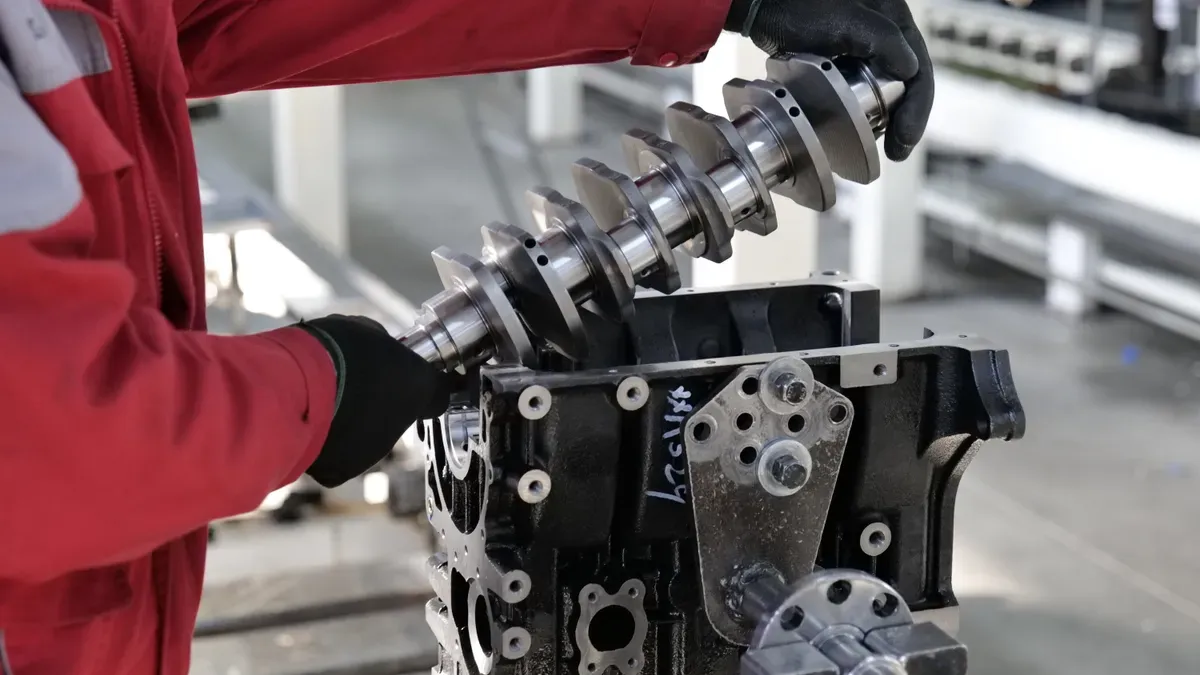
You use many machines in factories and workshops. You need fasteners you can trust to keep machines safe. Machine screws are important for this job. You use machine screws to join metal parts and attach panels. They also hold moving parts in place. These screws come in different sizes and thread types. You can pick the screw drive style that fits your tools. Common screw drives are hex, slotted, and Phillips heads. Each type gives you a different grip and control.
You see machine screws in gearboxes, conveyor belts, and control panels. The strong threads help stop vibration and hold heavy loads. Machine screws let you fix and repair machines quickly. You can take them out and put them back without harm. This saves time and keeps machines working.
Tip: Always check the thread pitch and length before you use machine screws. This helps you get a tight fit and stops them coming loose.
Automotive Applications
You find machine screws in many parts of vehicles. You use them to build engines and fix body panels. They also hold electrical systems in place. Machine screws keep parts together when there is heat and shaking. You trust their strength and accuracy. You can pick machine screws made from stainless steel or coated alloys for more strength.
You often work in small spaces in vehicles. The right screw drive style makes your job easier. You can use tools that fit the screw head well. This stops you from stripping or breaking the screw. You also see machine screws in dashboards, seats, and under the car. You need screws that do not rust, especially where there is water or road salt.
Common Automotive Uses for Machine Screws:
-
Engine assembly
-
Mounting brackets
-
Securing sensors
-
Fixing trim and panels
Note: Always match the machine screw material to the parts you join. This stops rust and keeps the connection strong.
Appliance Assembly
You make and fix many appliances, like washing machines and ovens. Machine screws help you join metal and plastic parts. You use them to attach covers, mount circuit boards, and fix handles. Machine screws come in many lengths and widths. You can choose the right size for each part.
You often need to open appliances to fix them. Machine screws let you do this without breaking the case. You can use them again and again. You also find machine screws in small things like fans and toasters. You need screws that can handle heat, water, and daily use.
Callout: Pick machine screws with the right screw drive style for your tools. This makes building and fixing things faster and safer.
You make appliances safer and more reliable. Machine screws give you the power to design, build, and repair with confidence.
Furniture & Electrical
Furniture Assembly
You build or fix furniture at home or in a workshop. HD screws make strong joints in tables, beds, and cabinets. You use them for heavy loads or when you want your furniture to last. The thick shaft and deep threads grip wood or composite tightly. This stops wobbly legs and loose panels.
You can pick different head types, like countersunk or pan heads. These let you hide the screw or match your project’s style. Some HD screws have coatings that stop rust. This is good for garden benches or outdoor seats.
Tip: Drill a pilot hole before using an HD screw in hardwood. This stops splitting and gives a neat finish.
Common uses for HD screws in furniture:
-
Securing bed frames and bunk beds
-
Fixing table legs and supports
-
Assembling wardrobes and shelving units
You spend less time fixing furniture when you use the right screw.
Electrical Installations
You need strong fasteners for electrical jobs. HD screws hold heavy electrical boxes, cable trays, and control panels. You keep people and equipment safe by following strict rules. You must control torque and preload when you put in these screws. This keeps the fastener and the joined parts safe.
-
You use bigHead collar fasteners for strong joins.
-
You set torque limits to stop damage.
-
You manage preload to keep clamp force steady.
You must use the right installation steps. This makes sure the electrical system works safely and lasts longer.
Note: Check the standards for your area before starting electrical work. This keeps your installation safe and legal.
Heavy Component Mounting
You face problems when mounting heavy things, like wall cabinets, big screens, or industrial machines. HD screws give you the holding power you need. You use them to anchor objects to wood, metal, or masonry. The strong design stops pull-out and shear forces.
You can pick hex head or Torx drive screws for better grip and higher torque. This helps you install parts without damaging the screw head. Some HD screws have coatings that stop rust in damp or outdoor places.
Callout: Always check the weight of the item and the strength of the wall or frame. Use the right screw size and type for safety.
You lower the risk of accidents and damage by picking the right HD screw for each heavy job.
Choosing HD Screws
Material Compatibility
You must match the HD screw to the materials you plan to join. This step prevents joint failure and ensures a secure fit. Each material—wood, metal, or concrete—has unique requirements. You should check the diameter, thread pitch, and class to make sure the screw fits well and does not move. The strength grade of the screw and the material must match. This stops the joint from breaking under stress. The head and drive style should suit your tools and the torque you need to apply. You also need to think about the finish or plating, especially if you work in a harsh environment. The nut type matters if you expect vibration.
Tip: Always check the material and finish of both the screw and the parts you join. This helps you avoid corrosion and weak joints.
Load & Torque Needs
You must consider how much weight or force the screw will hold. If you use the wrong screw, the joint may fail. You should always follow the maximum recommended tightening torques for your specific HD screw. Do not rely only on standard tables. Test the screw in your actual materials before final installation. This helps you see how much torque and resistance you get in real conditions. For high-strength screws, you must control the tightening process. Use a torque wrench and check preload to keep the joint safe.
-
Always use the maximum recommended tightening torque for your screw type.
-
Test the screw in your materials before final use.
-
Control torque and preload for high-strength screws.
-
Choose the right drive style for your tools and the force you need.
Note: Over-tightening can strip threads or break the screw. Under-tightening can cause the joint to loosen.
Environmental Factors
You must think about where you will use the HD screw. Environmental conditions change how screws perform. Temperature changes can make materials expand or contract. This can loosen the screw or change the grip. High humidity or water can cause metal screws to rust. Chemicals in the air or on surfaces can also damage the screw. You should pick screws with the right coatings or made from stainless steel for wet or outdoor places. If you work in a place with big temperature changes, check the screw’s rating for thermal movement.
Temperature swings can make metals expand and contract. This movement can loosen the screw over time. Humidity and moisture can cause corrosion, which weakens the screw and the joint. You must choose screws with the right material and finish for your environment. This keeps your project safe and long-lasting.
Callout: Always check the environment before you choose your screw. The right choice prevents rust, loosening, and failure.
When to Use an HD Screw
Pick an HD screw when you need more strength or safety. These screws are best when normal fasteners might not work well. Use this checklist to help you decide if you need an HD screw:
Checklist for Using an HD Screw:
-
You must hold up heavy things or big frames.
-
You work with tough stuff like steel, concrete, or thick wood.
-
You think the joint will shake, move, or get hit.
-
You want the screw to last against rust, water, or chemicals.
-
You need to follow strict safety or building rules.
Tip: If you are not sure about the weight or place, pick the stronger fastener.
Common Scenarios for HD Screws
Use HD screws if you want to fix things less often. These screws help stop joints from breaking, even in busy places. You keep people and things safe by picking the right fastener.
Signs You Need an HD Screw
-
The joint will get lots of use or movement.
-
The screw will touch water, salt, or chemicals.
-
The job has important safety parts, like rails or supports.
-
The screw must last for many years with no fixing.
Note: Always look at the maker’s advice for weight and material before you start.
You can make the job easier by using the right tools. A torque wrench helps you not make the screw too tight or too loose. Drill small holes first in hard stuff to stop cracks or thread damage. You can add washers to spread the weight if you need.
You make your project safer and stronger by knowing when to use an HD screw. You save time and money by stopping breaks and repairs. Pick well, and your work will last a long time.
HD screws are strong and last a long time. They work well for tough jobs. You must pick the right screw for your project. Think about what material you are joining. Check how much weight the screw must hold. Look at where you will use the screw. Use HD screws for heavy things or in rough places. They are good for jobs where safety matters.
-
Look at what your project needs before you pick a fastener.
-
Ask experts or read guides if you are not sure.
If you want more details, check engineering standards or trusted building manuals.
FAQ
What makes an HD screw different from a regular screw?
You get a thicker shaft, stronger head, and tougher material with an HD screw. This design gives you more strength and durability for heavy-duty tasks.
Can you use HD screws outdoors?
Yes, you can use HD screws outdoors. Choose stainless steel or coated types for the best rust resistance in wet or harsh environments.
Do you need special tools for HD screws?
You often need stronger tools, such as a power drill or a torque wrench. Some HD screws use hex or Torx drives for better grip and control.
How do you know which HD screw to choose?
Check the material, weight, and environment. Match the screw’s size and coating to your project. Always follow safety guidelines for the best results.
Are HD screws reusable?
You can reuse HD screws if they show no damage or wear. Always inspect the threads and head before using them again.
What happens if you use the wrong screw?
If you use the wrong screw, the joint may fail. You risk damage, loosening, or even injury. Always pick the right screw for the job.
Can you use HD screws in concrete?
Yes, you can use special HD screws for concrete. These have hardened tips and deep threads to grip masonry securely.
Get Quote
Welcome To Know Our Products
Get Product and Service Information
Follow us
We provide OEM service and focus on stable quality, competitive pricing and responsive export support.


Contact Info
Add:Dongmingyang Industrial Park, Mingguan Town, Yongnian District, Handan City, Hebei Province China
Export salesman:
WhatsApp:+86 18830064300
E-mail: sales@hgtfix.com
Export salesman:
WhatsApp
+86 18830064300
E-mail:
Copyright © 2022 HEBEI YONGYI FASTENERS MANUFACTURING CO.,LTD Power by 300.cn | SEO