Welcome to Yongyi Fasteners, Your Reliable Fastener Supply Partner!

-
ProductsWe supply flat washers, spring washers, drop-in anchors, anchor bolts, hex nuts, hex bolts, sleeve anchors, threaded rods and OEM fastener products to DIN, BS, ANSI and MS standards.

-
About usHEBEI YONGYI FASTENERS MANUFACTURING CO.,LTD is located in China's largest fasteners production base Yongnian fasteners centre.
-
NewsHebei Yongyi Fasteners shares company updates, product knowledge and fastener industry news for global buyers.
-
ServiceThe products sold throughout the domestic and exported to Southeast Asia and Europe and other countries and regions. Our products win good reputation with domestic and foreign customers.



YONGYI FASTENERS
Support stable quality from material selection, processing and inspection to final delivery.
FOCUS ON HOT SPOTS


Which wheel hub bolt fits your car best
Published:
2026-06-22
Author:
YONGYI FASTENERS
Find the right wheel hub bolt for your car by matching size, thread pitch, and seat type to your vehicle’s specs for safe, secure wheel installation.
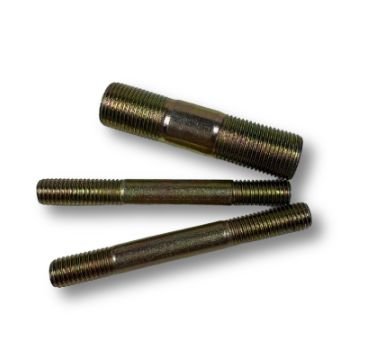
Choosing the right wheel hub bolt keeps your car safe and running smoothly. If you use the wrong size or ignore a bolt pattern guide, you might face problems like thread damage or even bolt fracture. Over-tightening can stretch bolts for good, and that means less safety for you. Always double-check your specifications, and pay close attention to hub bore fit. Take your time, avoid shortcuts, and follow each step carefully to prevent costly mistakes.
Identify Car Requirements
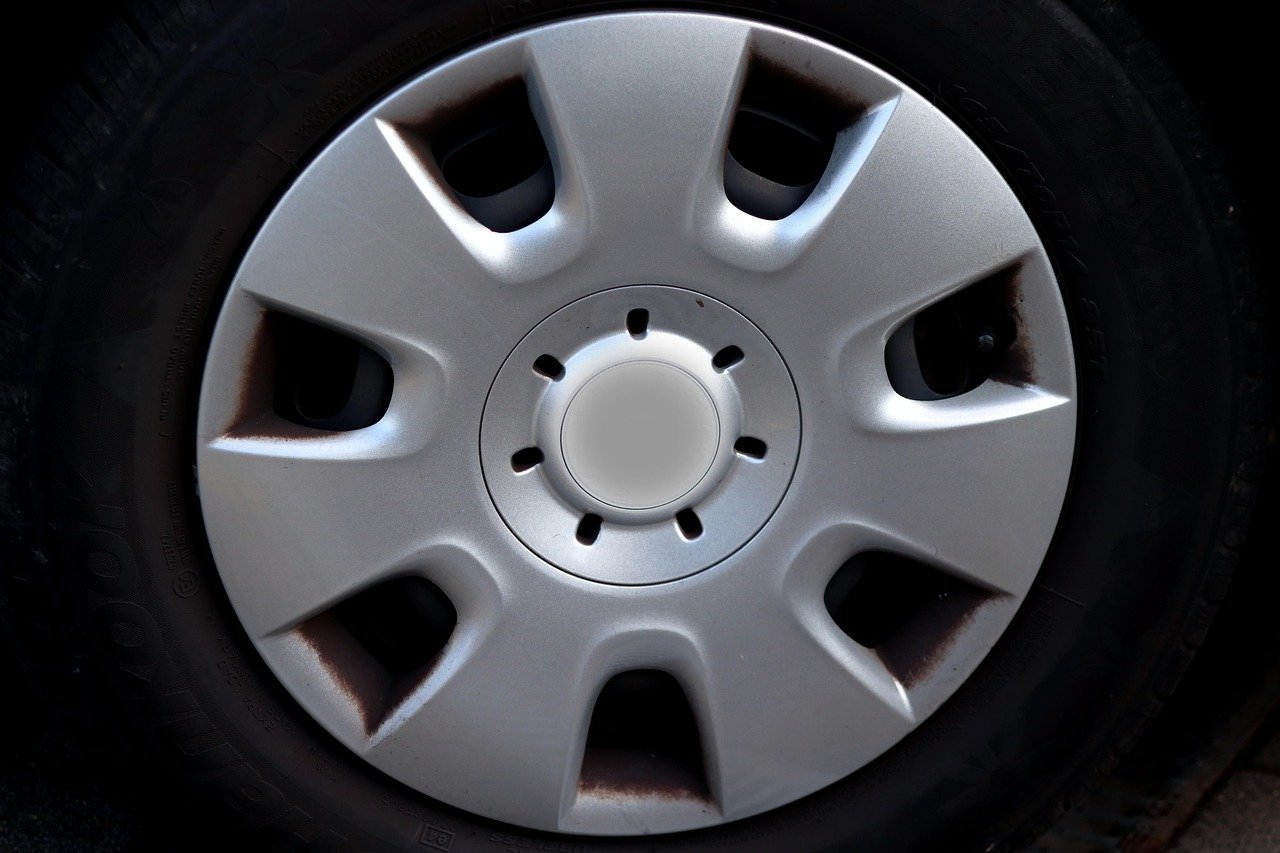
Picking the right lug bolts for your car means you need to know what your car needs. If you skip this, your wheel could come off or you could lose control. Let’s see how you can find the correct bolts for your car.
Find Specifications
You need the right information before you buy or put in new bolts. Here is where you can look:
Owner’s Manual
Your owner’s manual tells you the official numbers for your car. You will see things like the wheel bolt pattern, seating type, and torque values. Always check here first because these numbers come from the company that made your car.
Manufacturer’s Website
If you do not have the manual, go to the manufacturer’s website. Most car companies have digital manuals or technical sheets online. These help you make sure you get the right lug bolts and do not make mistakes. For more help, you can look at the National Highway Traffic Safety Administration (NHTSA) guidelines for car parts and safety rules.
Inspect Existing Bolts
Look closely at your current bolts. Count how many lugs there are, measure the thread length, and check for damage or wear. Checking the bolts helps you know if what you read in the manual or online is right. But always check with the official numbers to be sure.
Tip: Use a caliper or thread gauge to measure thread length and pitch. Do not guess—being exact is important for safety.
Key Specs to Check
You need to match some features to make sure the fit is safe and tight. Here is what you should look at:
Size
Check the diameter and length of your bolts. If you use the wrong size, your wheels might not line up or you could hurt the hub. Always measure and compare with your car’s numbers.
Thread Pitch
Thread pitch is the space between threads. If you use the wrong pitch, you could strip the hub or the bolt. Double-check this in your manual or with a thread gauge.
Length
The bolt must be long enough to hold the wheel but not too long. If it is too long, it could hit other parts. Measure the thread length and compare it to what your car needs.
Seat Type
The seat type, like conical, ball, or flat, shows how the bolt touches the wheel. Using the wrong seat type can make the pressure uneven and the wheel could get loose. Always match the seat type to your wheel’s design.
Here is a simple table to help you see how different bolt systems work:
Note: Always count the number of studs and check the pitch circle diameter (PCD) to match your car’s lug pattern. Check these with the OEM numbers for the best fit.
Steps for Identifying the Right Lug Bolts
Count the number of lugs on your wheel.
Find the pitch circle diameter (PCD) for your wheel bolt pattern.
Check if your car uses metric or imperial units.
Check all your numbers with your owner’s manual or the manufacturer’s website.
If you follow these steps, you will not make common mistakes and your wheels will stay safe. Picking the right lug bolts for your car’s wheel bolt pattern and seat type keeps you safe and helps your wheels last longer.
Wheel Hub Bolt Types & Materials
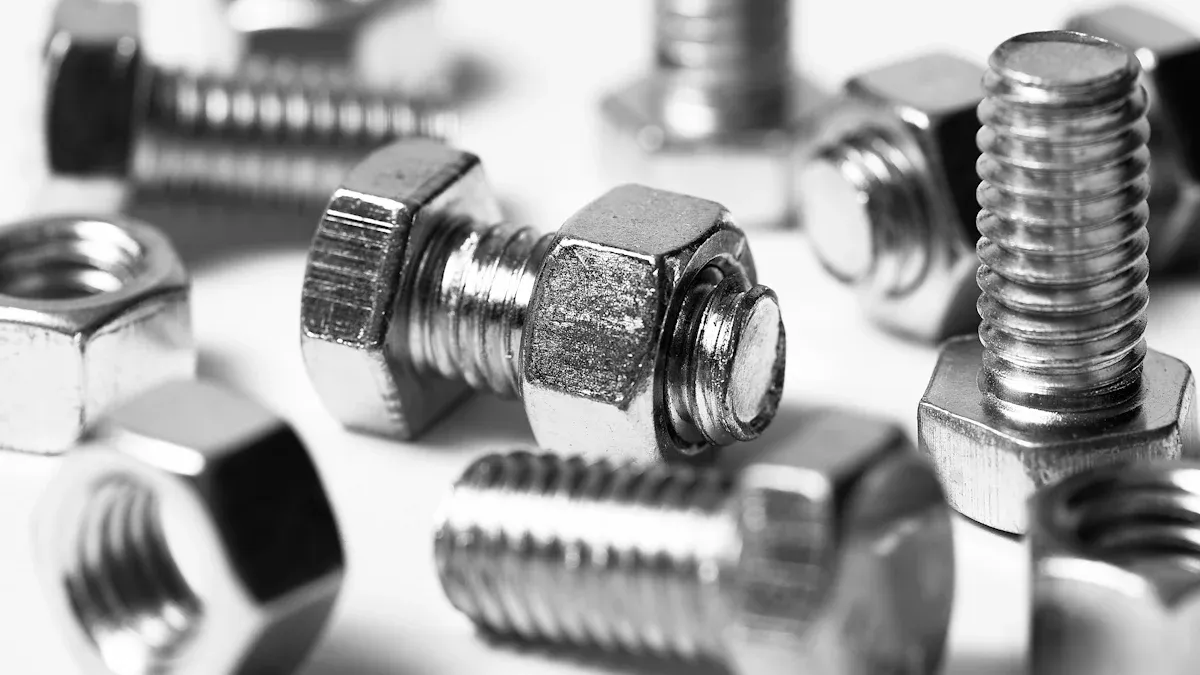
You need to know the right bolt type and material for your car. This choice affects how your wheels fit, how long the bolts last, and how safe your drive feels. Let’s break down the options so you can make a smart decision.
Bolt Types
You’ll see three main seat types. Each one fits a different wheel design. If you pick the wrong seat, your wheel won’t sit tight, and you might feel vibrations or see uneven wear.
Conical Seat
Conical seat bolts have a tapered base. They fit wheels with angled holes. You get a snug fit, and the bolt centers itself. This type works well for many aftermarket wheels.
Ball Seat
Ball seat bolts have a rounded base. They match wheels with curved holes. You need to check your wheel’s design before you choose this bolt. Ball seats are common on European cars.
Flat Seat
Flat seat bolts have a straight base. They fit wheels with flat holes. You must use a washer with these bolts. Flat seats are less common but you’ll find them on some specialty wheels.
Tip: Always match the seat type to your wheel. If you mix types, you risk loose wheels and unsafe driving.
Materials
The material of your bolt matters for strength and corrosion resistance. You want bolts that last and keep your wheels secure.
Steel
Steel bolts are strong and reliable. You get good resistance to bending and breaking. Most cars use steel bolts because they handle daily driving and rough roads.
Alloy
Alloy bolts are lighter than steel. They work well for performance cars where weight matters. You need to check if the alloy meets safety standards. Some alloys can corrode faster.
Coated
Coated bolts have a layer that protects against rust. You see zinc or chrome coatings. These bolts last longer in wet or salty conditions. The coating also makes bolts easier to remove.
Here’s a quick chart to compare bolt types and materials:
For material standards, check the SAE International guidelines for automotive fasteners. These standards help you pick bolts that meet expert recommendations.
Security & Durability
You want bolts that stay tight and resist wear. If you drive in harsh weather or on rough roads, pick coated steel bolts. They fight rust and last longer. If you race or drive fast, alloy bolts cut weight but you must check their strength rating. Always inspect bolts for cracks or worn threads. Replace them if you see damage.
Note: Never reuse damaged bolts. You risk wheel failure and unsafe driving.
You now know how bolt types and materials affect your car’s safety and performance. Make your choice based on your driving needs and wheel design.
Compatibility & Safety
Getting the right fit for your wheel hub bolts means more than just matching numbers. You need to check the bolt pattern, hub bore, and torque to keep your drive smooth and safe. Let’s break down what you need to do.
Bolt Pattern & Hub Bore
Measuring Lug Pattern
You want your wheels to fit perfectly. Start by measuring the bolt pattern. Use the "center to outboard" method. Measure from the center of one lug hole to the farthest edge of the second hole. This gives you the true Pitch Circle Diameter (PCD). Remove the wheel first. This step helps you avoid mistakes from measuring over hubcaps or through spokes. Use digital calipers for the best accuracy, but a tape measure works if you stay careful.
Hub Bore Fit
The hub bore is the hole in the center of your wheel. It must fit the hub on your car exactly. Even if the bolt pattern matches, a wrong hub bore can cause problems. A proper fit means the wheel sits centered on the hub. This keeps weight balanced and stops vibrations. If the hub bore is too large, you might need hub-centric rings to fill the gap. Always check your car’s specs for the right hub bore size.
Why does this matter?
Matching the bolt pattern and hub bore ensures a proper fit, which affects how your car handles.
Wrong specs can cause vibrations, steering issues, and even damage.
The hub bore must fit the hub for a secure connection, not just the bolt pattern.
Fitment Check
Wheel & Hub Match
You need to check more than just the bolt pattern and hub bore. Look at the offset and backspacing too. These numbers tell you how the wheel sits in the fender and how it lines up with the hub. Always compare your measurements to the specs in your manual. If you skip this, you risk poor fit, loose bolts, and unsafe driving.
A proper fitment check covers:
Bolt pattern
Hub bore
Offset
Backspacing
All these must match your car’s specs. This keeps the wheel seated right and the bolts tight.
Vibration Prevention
A good fit stops vibrations. If the wheel does not fit the hub, you will feel shaking in the steering wheel. This can wear out parts and make driving hard. Always aim for a hub-centric fit. This means the wheel’s center hole fits snug on the hub, not just held by the bolts. This way, the hub carries the car’s weight, not the bolts alone.
Note: Improper fitment can lead to severe mechanical issues. Even small misalignments put stress on bolts, causing vibrations and steering problems. In the worst case, a wheel can detach while driving, putting your safety at risk.
Torque & Tightening
Star Pattern Tightening
When you install your wheel hub bolts, use a star pattern. Tighten one bolt, then move to the bolt across from it. Keep going in a star shape. This pulls the wheel down evenly and helps the bolts fit right. Uneven tightening can bend the wheel or stretch the bolts.
Manufacturer Torque Specs
Always use a torque wrench. Set it to the value in your manual. For example, many compact cars need 80–130 Nm, sedans and SUVs need 100–160 Nm, and light trucks need 130–200 Nm. Heavy-duty trucks can go up to 600 Nm. Never guess. Too little torque means the bolts can loosen. Too much can stretch or break them.
Improper torque can cause big problems:
A wheel or tire failure can lead to a crash. Drivers often have no time to react if a wheel comes off. This can cause rollovers or chain-reaction accidents. Always follow the torque specs from your manual or trusted industry standards like SAE or NHTSA.
Tip: Re-check the torque after driving 50–100 miles. Bolts can settle, and you want to keep the fit secure.
You now know how to measure, check, and tighten your wheel hub bolts for the best fit and safety. Take your time with each step, and you will avoid costly mistakes and keep your ride smooth.
Buying Wheel Hub Bolts
When you shop for lug bolts, you face two main choices: OEM or aftermarket. You want bolts that fit your car, last long, and make wheel installation easy. Let’s break down your options so you can make the best decision for your next installation.
OEM vs Aftermarket
OEM Pros & Cons
OEM lug bolts come straight from your car’s manufacturer. You get a perfect fit and high quality. These bolts go through strict testing, so you know they work for your wheel installation. You pay more, but you avoid compatibility issues.
Aftermarket Pros & Cons
Aftermarket lug bolts cost less and offer more choices. Some brands make bolts for special wheels or custom looks. You must check the specs carefully. Not all aftermarket bolts match OEM standards. You might face problems with fitment or durability if you pick the wrong ones.
Here’s a quick comparison:
If you want peace of mind and ease of installation, OEM bolts are the safest bet. If you need a budget option or custom look, aftermarket bolts can work, but you must double-check compatibility.
Trusted Sources
Dealers
Dealers sell OEM lug bolts. You get expert advice and know the bolts will fit your car. Dealers often help with wheel installation and answer questions about specs. You pay more, but you avoid mistakes.
Online Retailers
Online retailers offer both OEM and aftermarket lug bolts. You find better prices and more choices. Always check seller ratings and reviews. Look for clear specs and photos. Some sites let you filter by car model, which helps with ease of installation.
What to Look For
Quality Marks
Check for quality marks on lug bolts. Look for industry standards or certifications. These marks show the bolts passed safety tests. Avoid bolts with no markings or unclear specs.
Return Policy
A good return policy protects you if the bolts don’t fit or fail during wheel installation. Some sellers offer flexible returns and exchanges. Others mark items as final sale, so you can’t return them.
Warranty covers structural defects in workmanship or materials.
You can request repairs or replacements for defective lug bolts.
Warranty does not cover normal wear and tear.
Always read the return policy before you buy. If you buy from a seller with no returns, you risk wasting money if the bolts don’t fit your wheel installation.
You now know how to choose the right lug bolts, where to buy them, and what to check before you install. Take your time, compare options, and focus on quality and fitment. Your wheels—and your safety—depend on it.
Mistakes to Avoid
Wrong Size or Pattern
You might think any bolt that fits will do, but using the wrong size or pattern can cause serious trouble. When you pick bolts that don’t match your car’s thread pitch or bolt pattern, you risk more than just a loose wheel. Here’s what can happen:
You can damage the threads on your hub or the bolts themselves.
Your wheels may vibrate at highway speeds, making your ride uncomfortable and unsafe.
Uneven tire wear can show up quickly, costing you more in replacements.
Steering components may wear out faster, leading to expensive repairs.
Unbalanced wheels can even cause a wheel to fail or detach.
Always double-check the thread pitch and bolt pattern before replacing wheel lug bolts. If you’re unsure, measure with a thread gauge or consult your manual. A secure fit keeps your wheels stable and your drive smooth.
Tip: Never force a bolt that doesn’t thread in smoothly. If it feels wrong, it probably is.
Low-Quality Materials
Choosing cheap or low-quality bolts might save you money now, but it can cost you much more later. Poor materials can’t handle the stress of daily driving. They may rust, bend, or even snap under pressure. When you use bolts that don’t meet safety standards, you put yourself and others at risk.
Look for bolts made from strong steel or high-grade alloys. Coated bolts resist rust and last longer, especially if you drive in wet or salty conditions. Always inspect your bolts for signs of wear or damage before installation. If you see cracks, rust, or worn threads, replace them right away.
Low-quality bolts can:
Fail suddenly, causing wheel separation.
Wear out threads, making future replacements harder.
Lead to uneven tightening, which affects the secure fit of your wheels.
Note: Regularly check the condition of your bolts. Don’t wait for a problem to show up on the road.
Ignoring Specs
It’s easy to skip the details, but ignoring specs is one of the most common mistakes. Every car has specific requirements for thread pitch, length, and seat type. If you ignore these, you risk catastrophic mechanical failure. The wrong specs can keep the lug nuts from centering the wheel, which puts extra stress on the studs. This misalignment causes vibrations and steering problems. In the worst cases, studs can shear off and the wheel can detach while you drive.
Always follow the manufacturer’s recommendations for:
Thread pitch
Bolt length
Seat type
Torque settings
Callout: Manufacturer specs exist for a reason. They keep you safe and your wheels secure. Don’t guess—check every number before you install new bolts.
When you pay attention to size, material, and specs, you avoid the most common pitfalls. You protect your car, your wallet, and everyone on the road.
Improper Tightening
You might think tightening wheel hub bolts is simple, but mistakes here can lead to big trouble. If you don’t use the right technique, your wheels may loosen or even fall off while you drive. You want your wheels secure, so let’s look at what can go wrong and how you can avoid it.
Common tightening errors:
Using a regular wrench instead of a torque wrench
Tightening bolts in a random order
Over-tightening or under-tightening bolts
Ignoring torque specs from your manual
If you skip the torque wrench, you can’t control how tight the bolts get. Too loose, and the wheel wobbles. Too tight, and you stretch the bolts or damage threads. You need to follow the star pattern when tightening. This pulls the wheel down evenly and prevents warping.
Tip: Always start with your bolts finger-tight. Then use a torque wrench to finish the job. If you don’t have a torque wrench, borrow one or visit a shop. Guessing isn’t safe.
Here’s a quick table to show what happens if you tighten bolts the wrong way:
You want to avoid these problems. If you feel vibration after installing wheels, stop and check the bolts. If you see rust or cracks, replace the bolts right away. Don’t drive with loose or damaged bolts.
Pain points for drivers:
You lose confidence in your car’s safety.
You spend more money fixing damaged wheels or hubs.
You risk accidents and injuries.
You can prevent these issues. Always follow the torque specs in your manual. Check the bolts after driving a short distance. If you’re unsure, ask a mechanic for help. Your safety depends on proper tightening.
Callout: Tightening bolts the right way isn’t just about following rules. It’s about protecting yourself, your passengers, and everyone on the road.
You want the best wheel hub bolt for your car, so focus on these key steps:
Take precise measurements with the right tools.
Match every bolt to your car’s specs for a perfect fit.
Check hub bore, offset, and backspacing before you buy.
Choose bolts that give you hub-centric precision.
Always double-check your numbers and use trusted sources.
Don’t rush or guess. Careful choices keep your wheels safe and your drive smooth.
FAQ
What happens if I use the wrong wheel hub bolt?
You risk damaging your wheel or hub. The wrong wheel hub bolt can strip threads, cause vibrations, or even let your wheel come loose. Always match the bolt to your car’s specs for a safe fit.
How do I measure the pitch circle diameter for my wheel?
You measure the pitch circle diameter by finding the distance between the centers of two opposite bolt holes. This helps you pick the right wheel hub bolt and ensures your wheel fits perfectly.
Can I mix lug nuts and bolts on the same wheel?
No, you should not mix lug nuts and bolts on one wheel. Your wheel needs either lug nuts with studs or wheel hub bolts, not both. Mixing them can cause uneven pressure and unsafe driving.
Why do some wheels use lug nuts while others use wheel hub bolts?
Some cars have wheel studs, so you use lug nuts. Others use threaded holes in the hub, so you need wheel hub bolts. The design depends on your car’s manufacturer and affects how you install the wheel.
How often should I check my wheel hub bolts and lug nuts?
Check your wheel hub bolts and lug nuts every time you rotate your tires or after any wheel installation. If you drive in rough conditions, check them more often. Loose bolts or lug nuts can lead to wheel failure.
What’s the difference between conical and ball seat wheel hub bolts?
Conical seat bolts have a tapered end that matches angled holes in the wheel. Ball seat bolts have a rounded end for curved holes. Using the wrong type can keep your wheel from seating properly and may cause vibrations.
Can I reuse old wheel hub bolts or lug nuts?
You should avoid reusing old wheel hub bolts or lug nuts if they show any wear, rust, or damage. Worn bolts or lug nuts can fail under stress. Always inspect them before reinstalling your wheel.
Do aftermarket wheels need special wheel hub bolts or lug nuts?
Many aftermarket wheels require different wheel hub bolts or lug nuts than your original wheels. Always check the wheel’s specs and use the correct hardware for a secure fit and safe driving.
Get Quote
Welcome To Know Our Products
Get Product and Service Information
Follow us
We provide OEM service and focus on stable quality, competitive pricing and responsive export support.


Contact Info
Add:Dongmingyang Industrial Park, Mingguan Town, Yongnian District, Handan City, Hebei Province China
Export salesman:
WhatsApp:+86 18830064300
E-mail: sales@hgtfix.com
Export salesman:
WhatsApp
+86 18830064300
E-mail:
Copyright © 2022 HEBEI YONGYI FASTENERS MANUFACTURING CO.,LTD Power by 300.cn | SEO