Welcome to Yongyi Fasteners, Your Reliable Fastener Supply Partner!

-
ProductsWe supply flat washers, spring washers, drop-in anchors, anchor bolts, hex nuts, hex bolts, sleeve anchors, threaded rods and OEM fastener products to DIN, BS, ANSI and MS standards.

-
About usHEBEI YONGYI FASTENERS MANUFACTURING CO.,LTD is located in China's largest fasteners production base Yongnian fasteners centre.
-
NewsHebei Yongyi Fasteners shares company updates, product knowledge and fastener industry news for global buyers.
-
ServiceThe products sold throughout the domestic and exported to Southeast Asia and Europe and other countries and regions. Our products win good reputation with domestic and foreign customers.



YONGYI FASTENERS
Support stable quality from material selection, processing and inspection to final delivery.
FOCUS ON HOT SPOTS


Square Washer Vs Round Washer Always the Right Choice for Your Needs
Published:
2026-05-26
Author:
YONGYI FASTENERS
Square washer offers superior load spread and anti-rotation, while round washers suit quick installs. Choose based on your project’s material and needs.
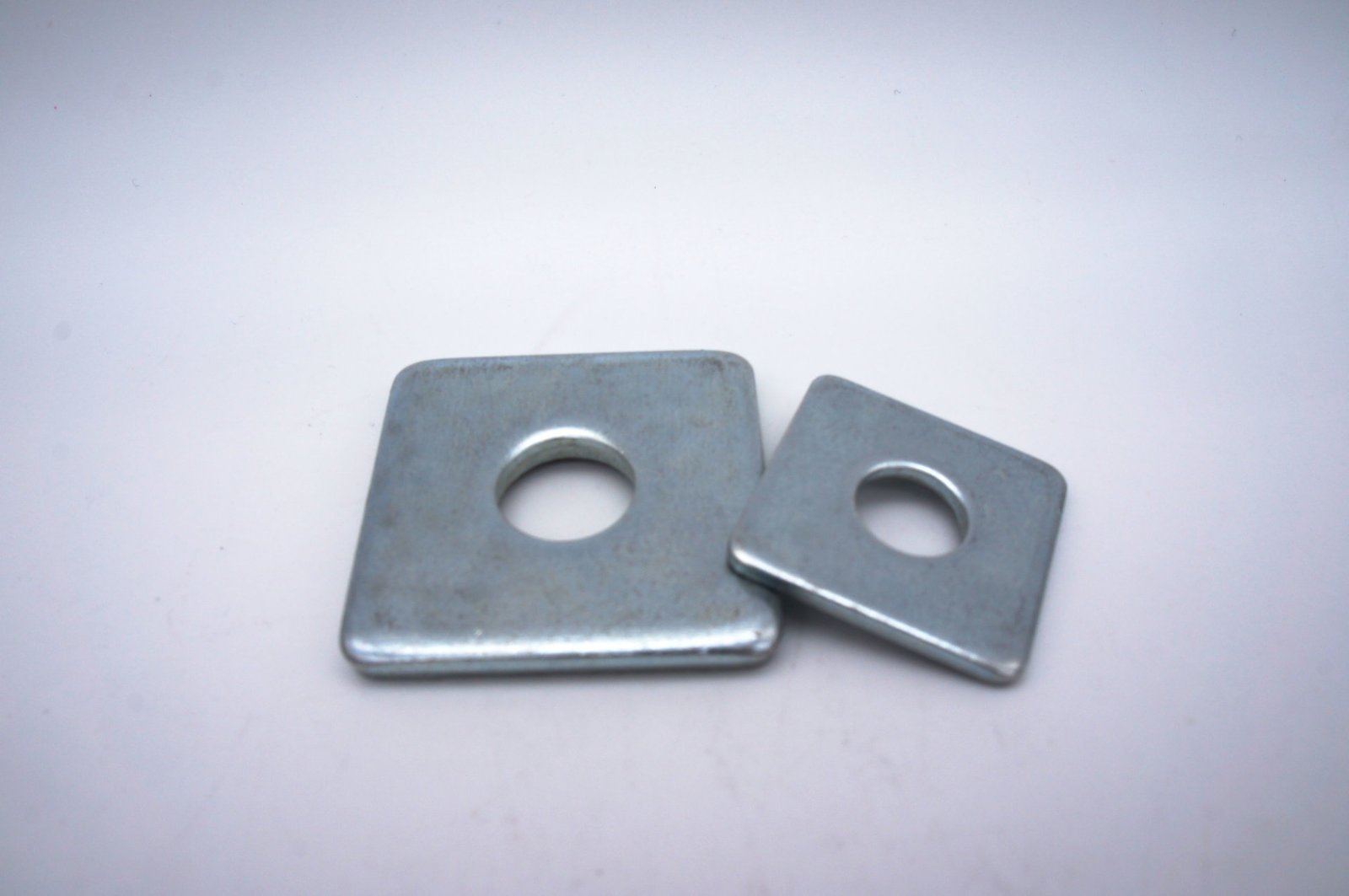
You probably reach for round washers out of habit, but sometimes a square washer makes more sense. You want your project to last, look good, and fit together just right. Think about the load, the materials you use, and how the washers will show on your finished work. Your needs decide which one works best.
Quick comparison: square washer vs round washer
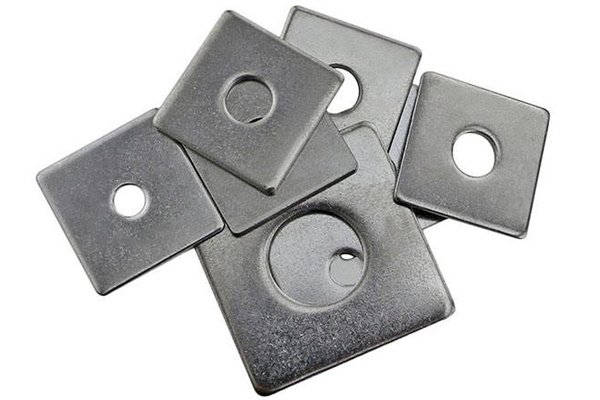
Performance overview
You want your project to stay strong and last. That means picking the right washer for the job. Square washers give you a bigger surface area. This helps spread out the force when you tighten a bolt. You get less risk of crushing wood or softer materials. Round washers work well for most metal-to-metal connections. They fit snugly and help prevent damage to surfaces. If you need to stop a bolt from turning, square washers do a better job because their shape resists spinning.
Here’s a quick chart to help you see the main differences:
Compatibility
You need to match your washer to your hardware and materials. Square washers fit best with square holes or square-headed bolts. They work well in wood framing and heavy-duty construction. You often see them in timber or concrete work. Round washers are more flexible. You can use them with almost any bolt or screw. They fit well in tight spaces and look cleaner in finished projects. If you want a washer that blends in, round washers give you more choices.
Square washers: Best for wood, structural steel, and places where bolts might twist.
Round washers: Great for metal, plastic, and everyday repairs.
Durability and materials
You want washers that last as long as your project. Square washers usually come in thicker steel or galvanized finishes. This makes them tough against bending and rust. They hold up well outdoors or in damp places. Round washers come in many materials, like stainless steel, brass, nylon, and rubber. You can pick the right one for your environment. If you need something for outdoor use, look for stainless or galvanized washers. For indoor or light-duty jobs, plastic or nylon round washers work fine.
Note: Always check the material rating before you buy. Some washers handle heat, chemicals, or moisture better than others.
Cost and availability
You want to get the right parts without breaking your budget or wasting time searching. Square washers usually cost more than round washers. You pay extra because they use more material and often come in thicker sizes. You see square washers in specialty stores or hardware shops that focus on construction supplies. Sometimes, you need to order them online if your local store does not carry them.
Round washers are everywhere. You find them in almost any hardware store. They come in packs, singles, or bulk. You pay less for round washers because they are easier to make and ship. If you need a lot of washers for a big project, round washers save you money and time.
Here’s a quick list to help you compare:
Square washers: Higher price, less common, often sold for structural jobs.
Round washers: Lower price, easy to find, available in many sizes and materials.
Note: If you need a special size or finish, expect to pay more and wait longer for delivery.
Installation ease
You want your project to go smoothly. Installing square washers takes a bit more planning. You need to line up the washer with the bolt and the surface. Sometimes, you need to check that the washer fits the hole or the nut. Square washers work best when you have space to move and adjust. If you work with wood or heavy beams, square washers stay put and resist turning.
Round washers make installation simple. You drop them on the bolt, tighten, and you’re done. They fit almost any bolt or screw. You do not need to worry about alignment. If you work in tight spots or need to finish quickly, round washers help you move fast.
Here’s a quick comparison table:
Tip: If you want a washer that saves time and fits most jobs, round washers are your best bet. If you need extra support or anti-rotation, square washers give you more control.
Square washer advantages and uses
Square washer load distribution
You want your project to stay strong, especially with soft materials like wood. A square washer has a bigger surface than a round washer. This means the force from the bolt spreads out more. The material under the washer is less likely to get crushed or damaged. If you build decks, timber frames, or big structures, you need this extra support.
Look at the chart below. It shows how square washers spread out the load better than round washers:
Note: Square washers have a bigger surface area. This helps protect wood and soft materials from getting damaged.
If you want more information about washer standards, check out ASTM F436 Standard Specification for Hardened Steel Washers.
Anti-rotation benefits
Sometimes you need to stop bolts from spinning when you tighten or loosen them. Square washers help with this problem. Their shape makes it hard for them to turn, especially with square holes or square nuts. You get more control and the assembly stays steady. This is important in structural work, where movement can make things weak.
Here’s a quick comparison:
Tip: If you want to keep bolts from turning, square washers are a good choice.
Square washer in wood and structural applications
You see square washers in timber construction, heavy beams, and steel projects. They fit well with square holes and square-headed bolts. You get a strong connection that stays tight for a long time. If you build fences, bridges, or big frames, square washers help you follow building codes and safety rules.
You also find square washers in concrete work. They give anchor bolts a steady base and stop them from moving. This helps you avoid problems like loosening or shifting, which can cost a lot to fix.
Use square washers for:
Timber framing
Heavy beams
Structural steel
Concrete anchors
Square washers fix real problems for builders. You get better support, less turning, and you meet industry standards.
Square washer limitations
You might think square washers solve every problem, but they do have some drawbacks. You need to know these before you choose them for your project.
First, square washers take up more space than round ones. If you work in a tight spot, you may struggle to fit them in. You often see this issue when you build furniture or repair small machines. The corners can bump into other parts or stick out where you don’t want them.
Second, square washers can look bulky. If you want a clean, modern finish, these washers might not match your style. Some people find the sharp corners distracting, especially on visible surfaces.
Third, you may have trouble finding the right size. Hardware stores usually stock more round washers. You might need to order square washers online or wait for delivery. This can slow down your project.
Fourth, square washers cost more. You pay extra for the extra material and the thicker steel. If you need a lot of washers, your budget can take a hit.
Here’s a quick list of common limitations:
Hard to fit in tight spaces
Bulky look on finished surfaces
Fewer size and finish options
Higher price than round washers
Tip: If you want to save money and time, use square washers only where you need extra support or anti-rotation.
Square washer aesthetics
You care about how your project looks, not just how it works. Square washers give a rugged, industrial style. You see them on timber frames, bridges, and heavy-duty builds. If you want your work to look strong and solid, a square washer adds that vibe.
But if you want a smooth, polished finish, square washers may not be your first choice. The sharp corners stand out. They draw the eye, especially on painted or stained wood. Some designers use square washers as a feature, making them part of the look. Others hide them or pick round washers for a softer appearance.
You can paint or coat square washers to match your project. This helps them blend in or stand out, depending on your style. If you want a bold, industrial look, leave them exposed. If you want something subtle, choose a finish that matches your bolts or wood.
Note: Always think about both function and style. The right washer can make your project stronger and better looking.
Round washers: versatility and applications
Round washers in general use
You see round washers almost everywhere. They work in home repairs, cars, machines, and even electronics. Their simple shape fits most bolts and screws. You can use them to stop nuts from digging into surfaces or to spread out force. This helps protect your project from damage. Round washers follow common standards, so you know what you get every time.
Here’s a quick look at why round washers are so popular:
You can count on round washers for almost any job. They save you time because you do not need to search for special parts. You just grab the right size and get to work.
Material and size options for round washers
You have many choices when it comes to round washers. They come in different metals like stainless steel, carbon steel, aluminum, and brass. You can also find them in nylon or rubber for special needs. If you need to fight rust, stainless steel is a smart pick. For electrical work, nylon washers help prevent short circuits.
Sizes range from tiny washers for electronics to large ones for heavy machines. You can always find the right fit for your bolt or screw. This flexibility means you do not need to compromise on safety or performance.
Here’s a chart showing common material options and where you might use them:
If you want to check official standards for washer materials and sizes, you can visit the ISO Fastener Standards page.
Round washer installation
You will find that installing round washers is quick and easy. You just slide the washer onto the bolt or screw, then tighten everything down. There is no need to worry about lining up corners or matching special shapes. This makes round washers perfect for tight spaces or fast repairs.
You can use basic tools like a wrench or screwdriver. The washer stays in place as you work. If you need to remove or adjust the bolt later, the washer comes off without trouble. This saves you time and reduces frustration on the job.
Tip: Always pick a washer that matches the size of your bolt. This keeps your connection strong and safe.
Round washers give you a simple way to protect your project and make your work easier. You get reliability, speed, and a wide range of choices.
Round washer limitations
You probably reach for round washers because they are easy to find and use. Still, you should know their limits before you start your project. Not every job fits the simple shape and style of these washers.
First, round washers can slip or spin when you tighten bolts. If you need to stop movement, these washers might not give you enough grip. You may notice this problem in woodwork or when you use them with soft materials. The washer can dig into the surface or even damage it if you apply too much force.
Second, round washers do not always spread the load as much as you want. If you work with heavy beams or large bolts, you might see dents or crushed spots under the washer. This can weaken your project over time. You need to think about the pressure and the material you use.
Third, round washers come in many sizes, but sometimes you cannot find the perfect fit. If the hole is too big, the washer will not sit flat. If it is too small, it will not fit the bolt. You may need to buy special sizes, which can slow you down.
Here are some common drawbacks you might face:
Less resistance to spinning or turning
Can damage soft materials if not used carefully
May not spread heavy loads well
Limited grip in structural or high-stress jobs
Sizing issues for unique bolts or holes
Tip: If you need more support or want to stop bolts from turning, look at other washer shapes. Square or specialty washers might solve your problem.
You should also think about how round washers look on your finished project. Sometimes, they stand out or do not match the style you want. If appearance matters, you may want to try a different washer or finish.
Round washers work well for most jobs, but they are not perfect for every situation. Knowing these limits helps you pick the right washer and avoid problems later.
Flat washers vs square washers: key differences
You might ask what really makes flat washers and square washers different. Both types protect your project, but each works best in certain jobs. Let’s look at what makes them unique so you can pick the right one.
Load distribution comparison
Flat washers help spread out force in a simple way. You find them in almost every toolbox. They work well for metal-to-metal jobs. Their round shape fits under nuts and bolts. This helps stop damage to surfaces. You get even force for repairs and machines.
Square washers give more support when you need it. Their bigger, flat surface covers more area. This means wood or soft materials are less likely to get crushed. You often see square washers in timber frames or big builds. They help keep things tight and safe, especially with large bolts.
Here’s a table to show how they compare:
If you work with wood or need to follow building codes, square washers help you more. For most fixes, flat washers work fine.
Rotation resistance
You want bolts to stay in place. Flat washers protect surfaces, but they do not stop bolts from turning. When you tighten or loosen a bolt, the washer might spin too. This is okay for most repairs, but not if you need extra grip.
Square washers resist spinning better. The corners catch on wood or fit in square holes. This keeps the washer still and holds the bolt steady. You see this in frames and concrete anchors. It is a small thing, but it matters for safety.
Flat washers: Easy to use, but do not stop spinning.
Square washers: Harder to turn, better for strong builds.
Need to keep bolts from twisting? Pick square washers.
Application scenarios
Every project is different. Knowing when to use each washer saves time and trouble.
Use flat washers for:
Home repairs
Car work
Metal builds
Electronics
Pick square washers for:
Timber frames
Heavy beams
Concrete anchors
Structural steel
Industry rules help you choose. Flat washers follow ASME B18.22.1, DIN 125, and ISO 7089. These rules make sure you get the right fit for bolts and nuts in machines and builds. Square washers are in building codes for wood and steel, mostly in North America.
Tip: Always check your project’s rules. If you see a callout for a washer type, use it to meet safety and quality needs.
If you want to remember the main difference, think about support and strength. Flat washers give you many uses and are easy. Square washers give you more power and stop bolts from turning.
Choosing the right washer for your needs
Factors to consider
You want your project to last and look good. Picking the right washer starts with knowing what matters most. Think about the material you work with. Wood needs more support than metal. If you use flat washers on soft wood, you risk crushing the surface. Square washers spread the load better and help prevent damage.
Check the load your connection will handle. Heavy beams or structural bolts need washers that can take the pressure. Flat washers work for light repairs, but square washers give you extra strength for big jobs.
Look at the environment. Will your project face rain, moisture, or chemicals? Outdoor jobs need washers with protective coatings. Stainless steel or galvanized finishes help fight rust. Flat washers without coatings can fail in wet conditions.
Cost matters, too. Square washers cost more and are harder to find. Flat washers are cheaper and easy to buy in bulk. If you need many washers, you save money with flat washers.
Compatibility is key. Make sure your washer fits the bolt and the hole. Square washers work best with square holes or nuts. Flat washers fit almost any bolt, but you must check the size.
Tip: Always match the washer to your project’s needs. The wrong choice can lead to damage, extra costs, or safety risks.
Washer selection checklist
You want a simple way to pick the best type of washer. Use this checklist before you buy:
What material are you working with? (Wood, metal, plastic)
How much load will the washer handle?
Will the washer face moisture, chemicals, or heat?
Do you need anti-rotation features?
Is the washer visible in your finished project?
What size and shape fit your bolt and hole?
Does your project follow any building codes or standards?
What is your budget for washers?
Here’s a table based on engineering standards to help you confirm key points:
You also want to avoid common mistakes. Here’s a quick table:
Note: Double-check your washer’s coating and material. Mixing metals can cause corrosion and weaken your project.
Decision flowchart
You want a fast way to decide which washer fits your job. Follow this flowchart:
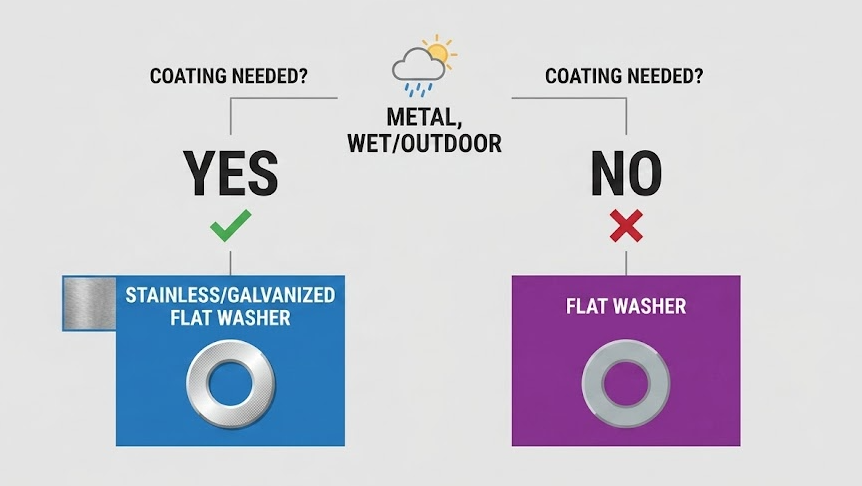
If you work with wood and heavy loads, pick square washers.
For metal and dry environments, flat washers work well.
If you need anti-rotation, square washers are the best type of washer.
For outdoor jobs, use stainless or galvanized flat washers.
🛠️ Quick tip: Always check the washer’s fit and coating before you start your project.
You now have a clear path to choose the right washer. Use the checklist and flowchart to avoid mistakes and get the best results.
Choosing between square and round washers comes down to your project’s needs. Square washers give you better load spread and stop bolts from turning. Round washers offer quick installation and fit most jobs. Use the checklist to:
Identify if your project needs static or dynamic support
Match materials to prevent corrosion
Check for moisture, chemicals, or heat
Measure for a proper fit
Pick the right standard and finish
Think about strength, fit, and how your project will look before you decide.
FAQ
What washer should you use for outdoor projects?
You should pick stainless steel or galvanized washers. These resist rust and last longer in rain or moisture. Square washers work well for wood decks and fences. Round washers fit most metal parts outside.
Can you mix square and round washers in one project?
You can mix them if each washer fits its purpose. Use square washers where you need extra support or anti-rotation. Use round washers for general connections. Always check that the washer matches the bolt and material.
Do square washers always prevent bolts from turning?
Square washers help stop bolts from spinning, especially in wood or with square holes. They do not guarantee zero movement. For critical jobs, combine them with lock washers or nuts for extra security.
Are round washers strong enough for heavy loads?
Round washers handle most everyday loads. For heavy beams or structural work, you need square washers. These spread force better and protect soft materials. Always check the load rating before you choose.
How do you know what size washer to pick?
Measure your bolt’s diameter. Pick a washer with a hole just big enough for the bolt to fit through. The outer edge should cover enough surface to spread the load. Check size charts if you are unsure.
Will washers affect how your project looks?
Washers can change the look of your project. Square washers give an industrial style. Round washers look clean and simple. You can paint washers to match your design or leave them exposed for a bold look.
Get Quote
Welcome To Know Our Products
Get Product and Service Information
Follow us
We provide OEM service and focus on stable quality, competitive pricing and responsive export support.


Contact Info
Add:Dongmingyang Industrial Park, Mingguan Town, Yongnian District, Handan City, Hebei Province China
Export salesman:
WhatsApp:+86 18830064300
E-mail: sales@hgtfix.com
Export salesman:
WhatsApp
+86 18830064300
E-mail:
Copyright © 2022 HEBEI YONGYI FASTENERS MANUFACTURING CO.,LTD Power by 300.cn | SEO